
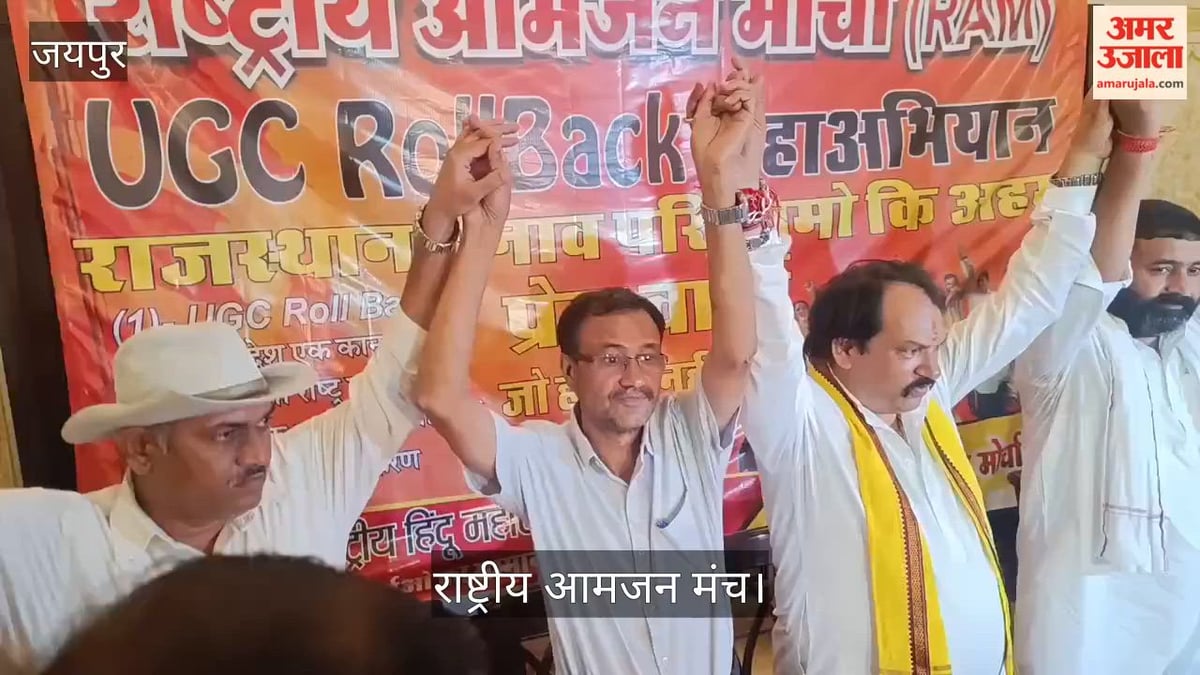
In a significant political assessment following the recent civic elections in Rajasthan, prominent political figure Vijay Kaushik has drawn intense public attention toward the notable surge in vote percentages secured by independent candidates. Analyzing the electoral patterns across various urban local bodies, Kaushik stated that the substantial backing of independent contenders by the electorate should be interpreted as a direct warning signal for the state's traditional political heavyweights, namely the Bharatiya Janata Party (BJP) and the Indian National Congress.
The electoral landscape of Rajasthan has historically been dominated by a bipolar political contest between the BJP and the Congress. However, the recent municipal outcomes have revealed underlying voter fatigue and a growing inclination toward non-affiliated candidates. This phenomenon suggests that ordinary citizens are increasingly willing to look beyond party lines to express their governance expectations, setting a critical precedent for future electoral battles within the state.
A closer examination of the electoral data indicates that independent candidates managed to secure a formidable share of votes in multiple municipal bodies across Rajasthan. While exact tallies vary by municipality, the aggregate increase in independent vote share demonstrates a clear fragmentation of the traditional voter base. Observers note that local governance issues, candidate credibility, and dissatisfaction with major party ticket distribution played pivotal roles in propelling independent contenders into competitive positions.
Reacting to these emerging ground realities, Vijay Kaushik emphasized that both major parties can no longer take their traditional voter loyalties for granted. Community leaders, local merchants, and urban residents have expressed frustrations regarding inadequate municipal services and delayed developmental projects. Independent candidates often capitalized on these localized grievances, presenting themselves as more approachable and accountable alternatives to candidates backed by state-level party apparatuses.
The regional impact of this shifting political dynamic is particularly visible in emerging urban centers and districts such as Kotputli-Behror, where local administrative efficiency and grassroots representation hold immense value for the community. The strengthening of independent political forces directly influences local economic decision-making and civic development priorities. Citizens in these areas are increasingly demanding transparent municipal administration free from partisan deadlocks.
In response to the growing influence of non-aligned candidates, political analysts and local administrators are urging both the BJP and the Congress to reevaluate their internal selection processes and outreach mechanisms. Administrative observers point out that the rising prominence of independents requires established political organizations to demonstrate greater responsiveness to grassroots concerns, ensuring that civic governance remains focused on public welfare rather than party politics.
Looking ahead, the long-term implications of this electoral shift are expected to shape the political calculus for upcoming elections throughout Rajasthan. As independent candidates command greater electoral leverage, both major parties will need to adopt more inclusive and accountable strategies to retain their voter base. The public expectation remains focused on effective urban administration, transparent resource allocation, and responsive leadership at the grassroots level.