
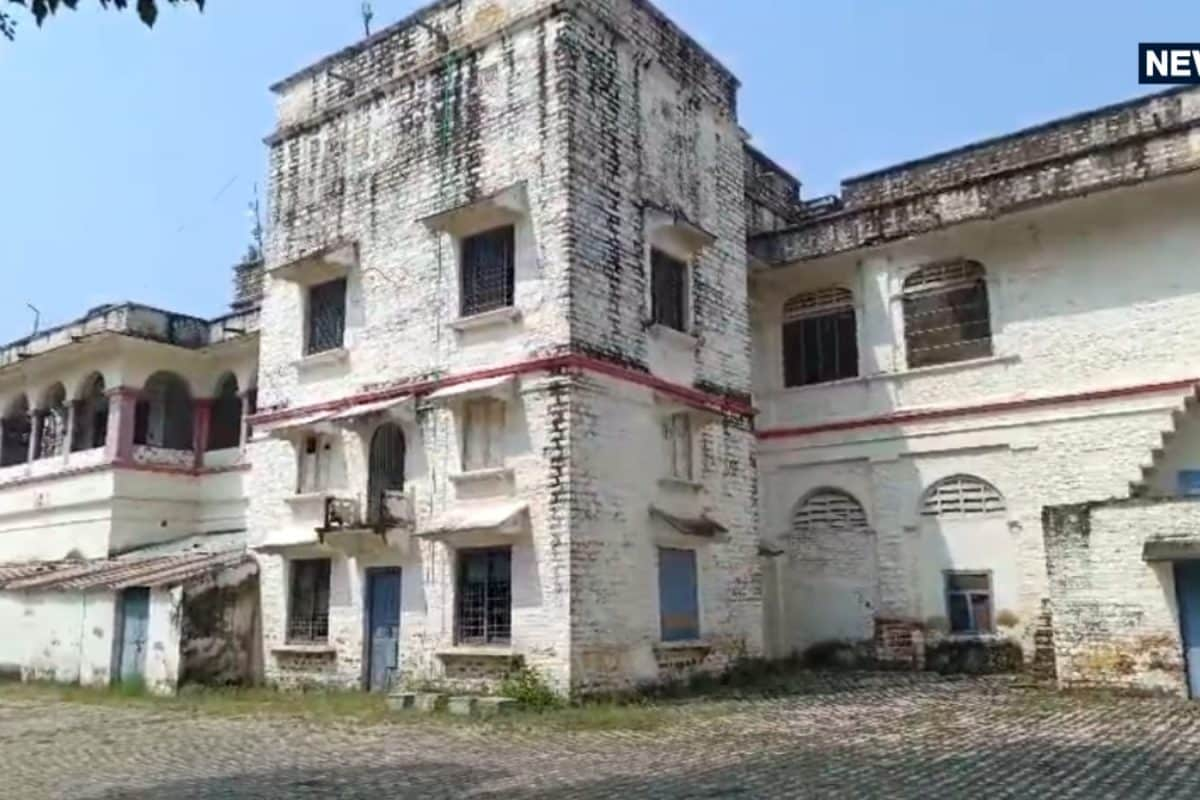
In the heart of Dholpur, an architectural marvel stands as a testament to both colonial history and modern educational perseverance. Government College Dholpur occupies a magnificent structure constructed approximately 123 years ago entirely from pristine white sandstone. Originally built to serve as the official residence for the political agent of the British administration, this sprawling edifice has undergone a profound metamorphosis over the decades, transitioning from a symbol of imperial authority into a vibrant sanctuary of higher learning where thousands of students shape their academic and professional futures.
Delving deep into the historical archives, historian Arvind Sharma highlights that during the princely era, the specific room that now houses the college library was utilized by British officials strictly for recreational purposes and leisure activities. The architectural integrity of the building remains remarkably intact, featuring distinctive elements such as traditional fireplaces embedded within the historical rooms and an exquisite wooden floor gracing the second-floor library. These preserved historical features offer visitors and scholars a tangible glimpse into the distinct architectural preferences and lifestyle of the colonial elite who once inhabited these very halls.
The monumental transition of this imperial residence into an educational institution officially materialized in the year 1961, marking a watershed moment for the region's academic landscape. At the inception of the college, the financial and logistical hurdles were substantial, requiring immediate community mobilization. A local lawyer, R.P. Modi, spearheaded a dedicated fundraising campaign, successfully collecting 50,000 rupees through voluntary contributions from local residents and philanthropists to establish the foundational infrastructure of the fledgling college.
Following the successful fundraising and institutional setup, Govind Ram Sharma was appointed as the very first principal of Government College Dholpur, tasked with guiding the administration through its crucial formative years. Under his leadership, the academic offerings began to take structured shape, laying the groundwork for future expansions. The collaborative spirit demonstrated by citizens and legal professionals during the founding phase established a deep-rooted community ownership over the institution that persists to this day.
As decades progressed, the demand for higher education in Dholpur surged exponentially, necessitating broader academic horizons and administrative adaptations. To accommodate the growing aspirations of local youth, the administration expanded the curriculum significantly by introducing the science faculty in the year 1967, followed subsequently by the establishment of the law college in 1980. During periods of peak enrollment when permanent classroom capacity fell short, the administration and students occasionally had to rely on erecting temporary tents for examinations, underscoring the relentless dedication to education despite logistical constraints.
Today, the administration and academic authorities continue to balance the delicate task of modernizing educational delivery while maintaining the structural heritage of the century-old building. Academic planners emphasize that preserving the physical integrity of the white sandstone structure is paramount for maintaining the cultural identity of Dholpur. Institutional protocols ensure that regular maintenance respects the historical classification of the fireplaces, wooden flooring, and stone facades, ensuring structural safety without compromising historical authenticity.
Looking toward the future, Government College Dholpur remains an inspiring symbol where history and education converge seamlessly. Academic stakeholders and community leaders anticipate continued institutional growth, with plans to further upgrade modern facilities while honoring the foundational sacrifices made by figures like R.P. Modi and Govind Ram Sharma. The institution stands resiliently as a beacon of knowledge, reminding every generation of students of the remarkable journey from a British political residence to a cradle of democratic enlightenment.
