
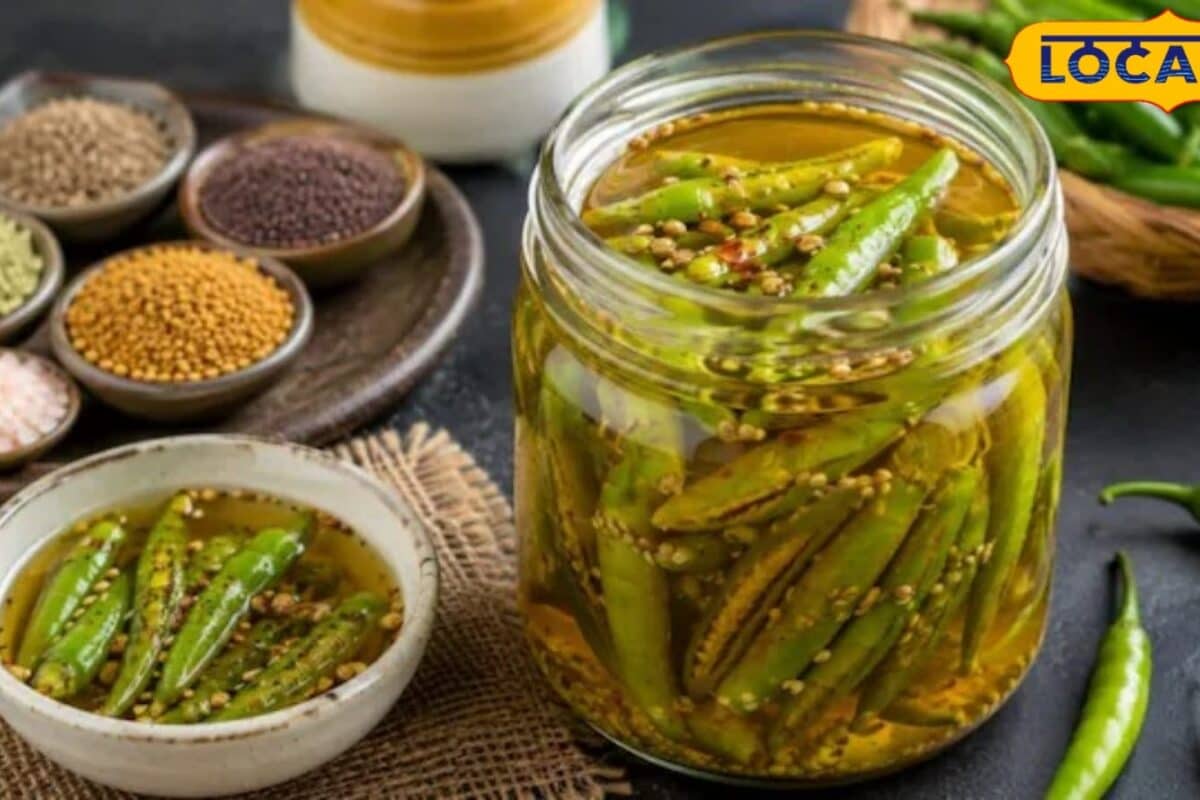
When culinary enthusiasts think of traditional Indian pickles, the immediate image that comes to mind is often a heavy glass jar filled with generous amounts of mustard oil and pungent spices. However, the cultural landscape of Rajasthan presents a fascinating departure from this conventional assumption through its unique water-based green chili pickle. This distinctive culinary creation completely eliminates oil from the preservation process, relying instead on pure water combined with a potent blend of traditional spices to achieve its signature sharp and tangy flavor profile.
The historical roots of this preparation lie in the resourceful adaptation of local households in Rajasthan, where communities developed innovative ways to preserve seasonal produce without relying exclusively on heavy oils. The technique utilizes fresh, firm green chilies that are meticulously stuffed with a balanced mixture of coarsely ground mustard seeds, fennel seeds, fenugreek seeds, and cumin. Once stuffed, the chilies are submerged in water seasoned with these exact same aromatic spices, creating an immersive pickling liquid that gently penetrates the vegetable over a designated period.
Examining the precise logistical timeline of this recipe, the transformation from fresh green chilies into a zesty accompaniment occurs over a reliable timeframe of three to four days. During this critical window, the chilies actively absorb the complex flavors of the surrounding spices and the infused water medium, resulting in a distinctly sour and spicy end product. To further enhance the acidity and ensure optimal preservation, traditional cooks occasionally introduce a measured amount of white vinegar into the liquid solution, elevating the overall sharpness of the taste.
Culinary practitioners and local households emphasize that while this pickle offers a lighter dietary alternative due to its zero-oil composition, it requires meticulous handling to maintain its freshness. Because water serves as the primary base instead of oil, strict hygiene practices become paramount during storage. Practitioners must ensure that storage jars are impeccably clean, serving utensils remain completely dry, and the container is kept safely inside a refrigerator to prevent premature spoilage.
The regional impact of this traditional recipe extends deep into the daily culinary traditions of households across the region, where meals often feature dal-bati, fresh flatbreads, stuffed parathas, and steamed rice. The inclusion of this water-based chili pickle elevates these simple dishes by providing a sharp, refreshing contrast that cuts through heavier flavors. Local communities continue to preserve this heritage recipe, passing down the exact proportions of spices and preparation techniques from one generation to the next without altering its core essence.
Administrative oversight and public health discussions surrounding traditional preservation methods often highlight the nutritional benefits of reducing heavy oil consumption in daily diets. Nutritional experts in the region frequently point out that transitioning toward water-based preparations allows individuals to enjoy traditional fermented flavors while significantly lowering their lipid intake. This alignment with healthier dietary practices has given traditional recipes renewed visibility in modern domestic kitchens.
Looking toward the forward outlook of regional gastronomy, culinary experts anticipate a growing revival of such indigenous, oil-free preservation techniques as modern consumers increasingly seek authentic and health-conscious food options. The meticulous adherence to traditional preparation timelines, combined with proper refrigeration and hygienic handling, ensures that this timeless Rajasthani delicacy will continue to grace dining tables for generations to come, preserving both cultural heritage and exceptional culinary art.