
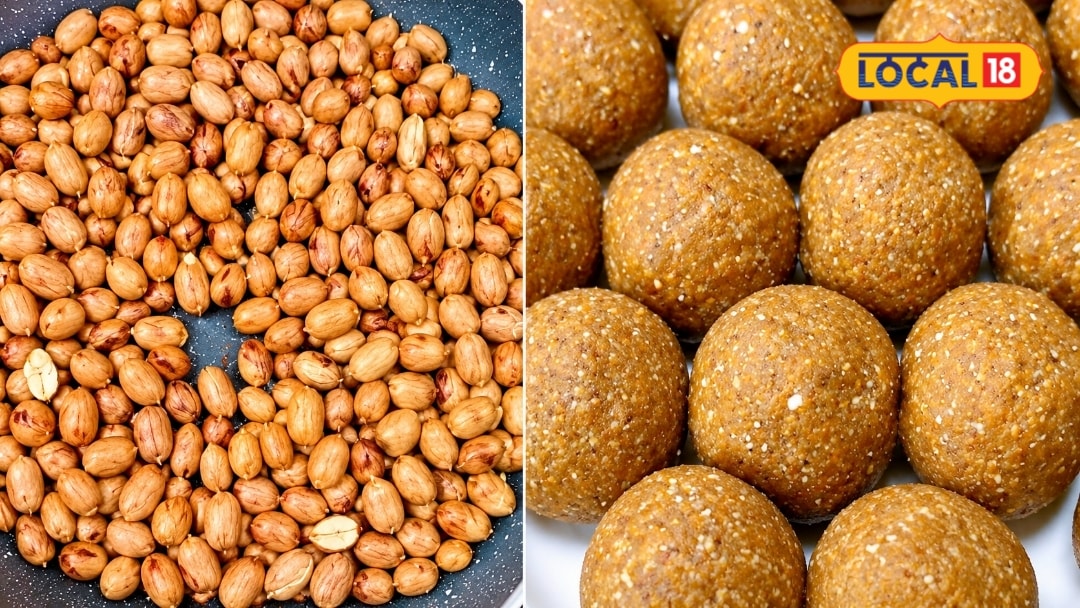
As winter settles across the Shekhawati region, traditional culinary practices take center stage in local households, bringing forth preparations that are both deeply rooted in heritage and exceptionally nourishing for the cold months. Among these seasonal delicacies, the preparation of jaggery and peanut ladoos holds a special place in regional gastronomy, symbolizing a centuries-old tradition of utilizing locally accessible, energy-dense ingredients to combat the dropping temperatures.
Historically, the Shekhawati region has experienced harsh winter conditions, necessitating a diet rich in warming and nutrient-dense foods. Households relied heavily on indigenous ingredients such as jaggery and peanuts, which naturally produce internal body heat and sustain energy levels throughout demanding agricultural and daily routines. Passed down through generations, this specific culinary knowledge has survived modernization by offering unmatched health benefits over processed commercial sweets.
The fundamental components of this traditional sweet involve a careful selection of raw, high-quality peanuts and unrefined jaggery, often enhanced with grated coconut for texture and aroma. The preparation process requires precise temperature control during the melting of jaggery to achieve the ideal binding consistency without hardening the sugar into an unusable state, followed by the seamless incorporation of roasted, crushed peanuts.
Local culinary practitioners emphasize that the combination of jaggery and peanuts provides an exceptional nutritional profile, delivering essential iron, protein, and healthy fats. Unlike refined white sugar found in commercial market confections, unrefined jaggery contains vital minerals that aid digestion and boost immunity during the vulnerable winter season, making these homemade treats a preferred choice for families prioritizing wellness.
The cultural resonance of these ladoos extends deep into the domestic economy of the region, where family members often gather to prepare large batches during peak winter months. This collective household activity fosters a sense of community and cultural continuity, ensuring that traditional foodways remain vibrant and active within contemporary domestic spaces across Shekhawati.
Nutritional experts and home science advocates in the region actively promote the revival of such indigenous recipes, contrasting them with the adulterated and chemical-laden sweets frequently sold in commercial marketplaces. By educating younger generations on the simplicity and health advantages of preparing these traditional snacks at home, communities are successfully preserving valuable dietary wisdom.
Looking forward, the resurgence of interest in Shekhawati jaggery peanut ladoos highlights a broader societal shift toward mindful eating and sustainable culinary practices. As individuals increasingly reject processed convenience foods in favor of wholesome, nutrient-rich alternatives, traditional recipes like these are poised to remain a staple of winter nutrition for generations to come.
