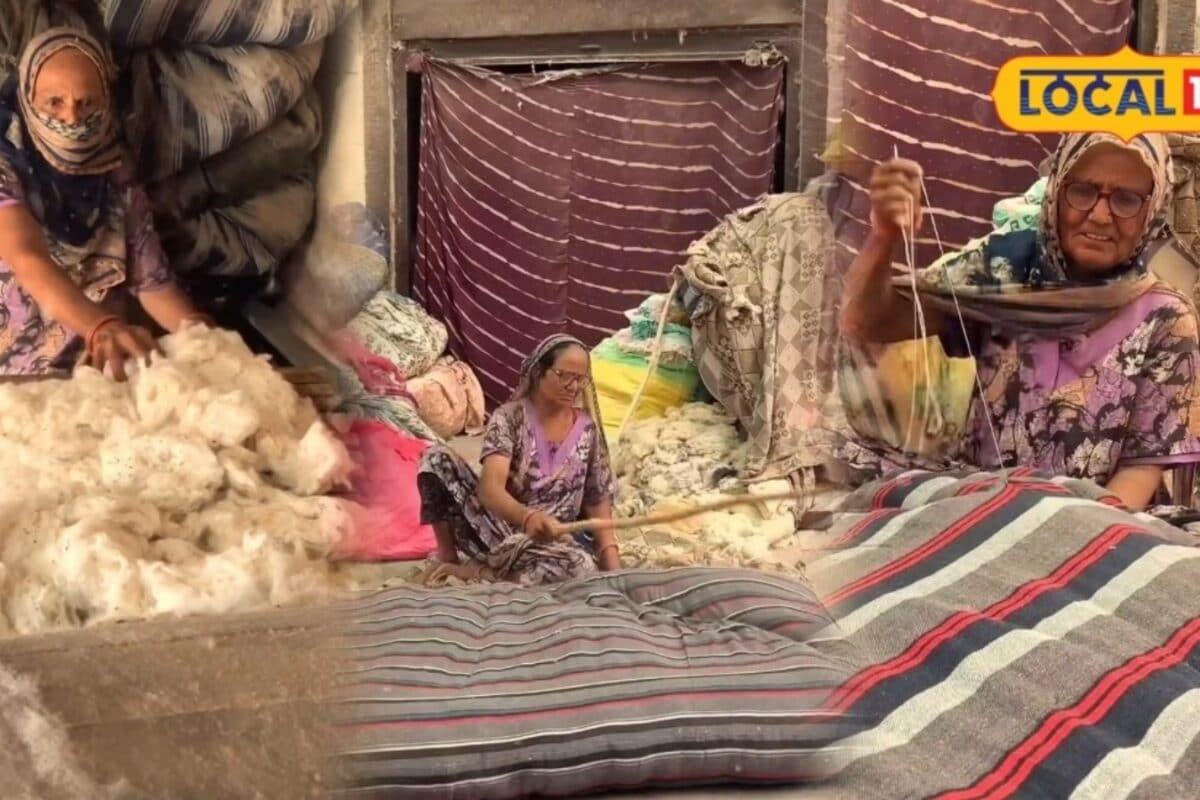
In the heart of Pali, an extraordinary testament to heritage craftsmanship continues to defy the relentless march of industrialization. The Pinjara community in Pali remains steadfast in keeping alive its centuries-old tradition of manufacturing velvety mattresses entirely by hand, utilizing only a simple needle and thread. While the contemporary global market surges ahead with automated production lines and standardized mass-produced goods, these traditional artisans maintain a quiet vigil over an ancient domestic art form that prioritizes human touch and peerless dedication over mechanical efficiency.
The historical roots of this craft run deep within the social fabric of the region, where mattress making was never merely a commercial enterprise, but rather a cherished generational inheritance. Passed down carefully from fathers to sons and elders to apprentices, the craft demands meticulous patience, physical endurance, and a deep understanding of traditional textiles. Historically, households across the region relied exclusively on these skilled artisans to provide durable, comfortable, and customized bedding tailored precisely to individual family requirements and seasonal comfort needs.
Examining the ground reality today reveals a landscape dominated by fierce financial competition and changing consumer preferences. The modern marketplace is flooded with cheap, factory-made foam mattresses and aggressively marketed branded alternatives that appeal to buyers through immediate convenience and lower price points. Consequently, the traditional artisans of the Pinjara community face significant logistical and economic hurdles. The sheer amount of manual labor, time, and delicate craftsmanship invested in creating a single velvety mattress rarely commands a price that adequately compensates the artisan for their strenuous efforts.
Voices from within the community shed light on the emotional and professional gravity of this ongoing struggle. Local artisans explain that while their handmade creations offer a level of comfort, breathability, and structural integrity that machines simply cannot replicate, the younger generation increasingly looks away from the trade in search of more lucrative or stable modern employment. Without structured institutional support, specialized training avenues, or enhanced market visibility, the transmission of these precious techniques to posterity remains heavily vulnerable to the pressures of economic displacement.
The broader regional economy and cultural identity of the area are intrinsically tied to the preservation of such indigenous crafts. When traditional skills like those practiced by the Pinjara community in Pali fade, the local community loses not just a livelihood source, but a vital link to its historical heritage. The intangible cultural wealth represented by these skilled needle-and-thread artisans constitutes a foundational pillar of regional diversity, deserving of deliberate recognition and protective stewardship within the wider socio-economic framework.
Addressing these systemic challenges requires thoughtful engagement from local leadership, cultural preservation bodies, and administrative authorities to formulate supportive policies. While immediate emergency interventions have not been formally detailed, community leaders continuously advocate for dedicated handicraft exhibitions, financial facilitation, and cooperative marketing platforms that can bridge the gap between traditional creators and modern consumers. Strengthening the economic viability of these handmade goods is widely seen as the most effective route to encouraging youth retention in the ancestral profession.
Looking ahead, the future of this velvety mattress-making tradition depends heavily on coordinated public appreciation and sustainable market integration. As discussions surrounding the protection of indigenous Indian handicrafts gain momentum across various platforms, the artisans of Pali harbor cautious optimism that their painstaking labor will find renewed appreciation. By educating the wider public about the superior quality and cultural value of handmade products, the community hopes to secure an enduring legacy for generations yet to come.