
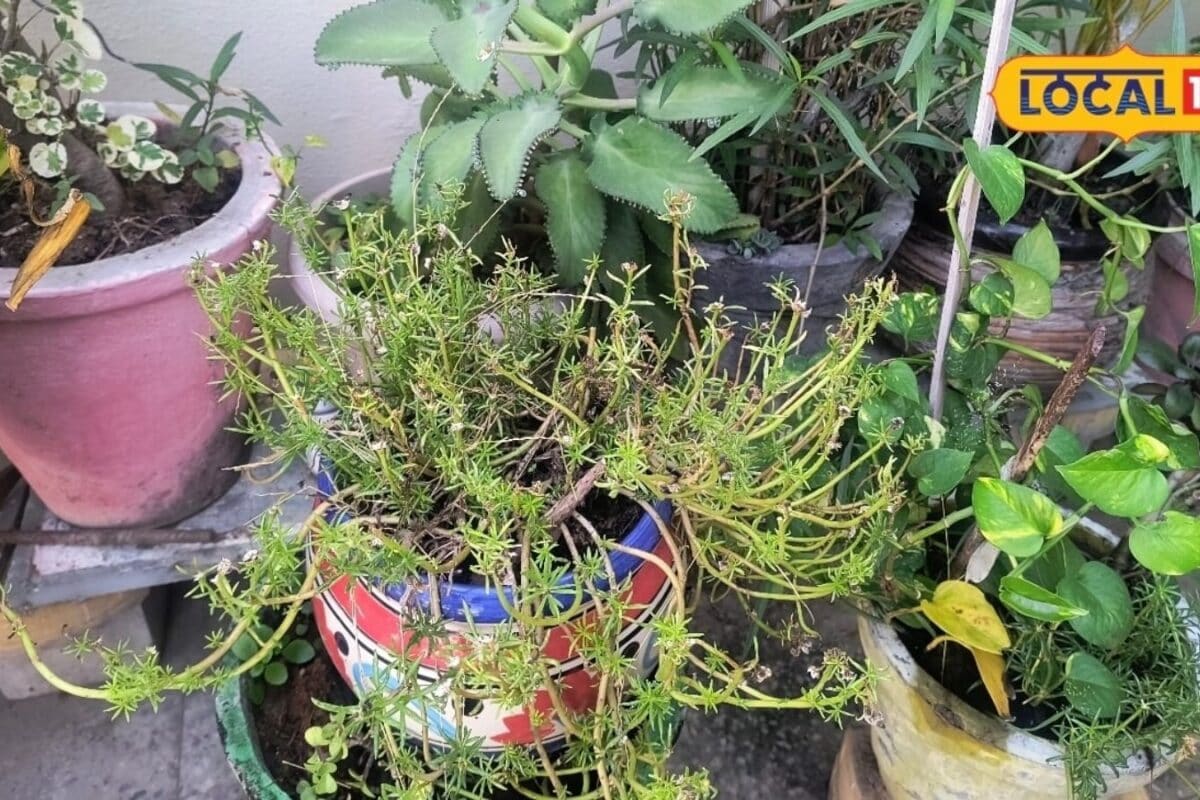
Maintaining a flourishing kitchen garden no longer requires investing in expensive commercial fertilizers, as urban and rural households alike turn towards sustainable, traditional practices. Home gardeners can easily prepare a potent, organic nutrient solution using readily available household ingredients such as neem leaves, garlic, and jaggery. This eco-friendly concoction offers a viable and economical alternative to synthetic chemical formulas that often strain household budgets while posing potential risks to delicate domestic flora.
The methodology behind preparing this traditional organic fertilizer is rooted in centuries-old agricultural and horticultural wisdom that emphasizes utilizing natural elements to boost soil fertility. Neem has long been revered in traditional practices for its remarkable properties, while garlic complements these benefits with its pungent aromatic compounds. Combined with jaggery, which serves as a natural fermenting agent and carbohydrate source for beneficial soil microbes, these components synergize to create a balanced tonic for home-grown vegetation.
Preparing the homemade fertilizer involves grinding fresh neem leaves and garlic together to extract their concentrated properties, which are then mixed thoroughly with water. A measured amount of jaggery is added to the mixture, after which the container is securely covered and left to sit for a designated period to allow proper blending. Before application, the resulting liquid must be meticulously strained to remove any solid particulate matter, ensuring that the liquid feed can be smoothly absorbed by the botanical specimens.
Agricultural enthusiasts and home gardening practitioners emphasize that the method of application is just as crucial as the preparation itself. The strained organic solution should be administered in controlled, modest quantities directly around the root zones of the plants. Furthermore, timing plays an integral role in maximizing the benefits of this organic routine, with early morning or late evening identified as the optimal windows for administration due to favorable temperature and moisture conditions.
While this domestic remedy significantly aids in the general upkeep and nutritional maintenance of home gardens, experienced horticulturists issue important operational caveats. It must be explicitly understood that this organic mixture is not a definitive cure for severe plant diseases or extensive pest infestations. Gardeners facing aggressive outbreaks must rely on targeted therapeutic interventions rather than relying solely on general nutritional tonics.
To ensure optimal botanical health and prevent any adverse reactions, first-time users are strongly advised to apply the solution in very small amounts initially. Observing the plant's physiological response over a brief observation period allows cultivators to adjust concentrations according to specific species sensitivity. This cautious testing phase safeguards against potential over-fertilization or unexpected phytotoxic reactions in sensitive vegetation.
Ultimately, the success of this organic homemade fertilizer depends entirely on its integration within a holistic plant care regimen. Proper soil composition, adequate exposure to sunlight, and precise, need-based watering practices remain foundational pillars of successful kitchen gardening. When deployed alongside these essential horticultural practices, the neem, garlic, and jaggery solution serves as an invaluable supplementary tool for sustaining vibrant, lush, and healthy home greenery.