
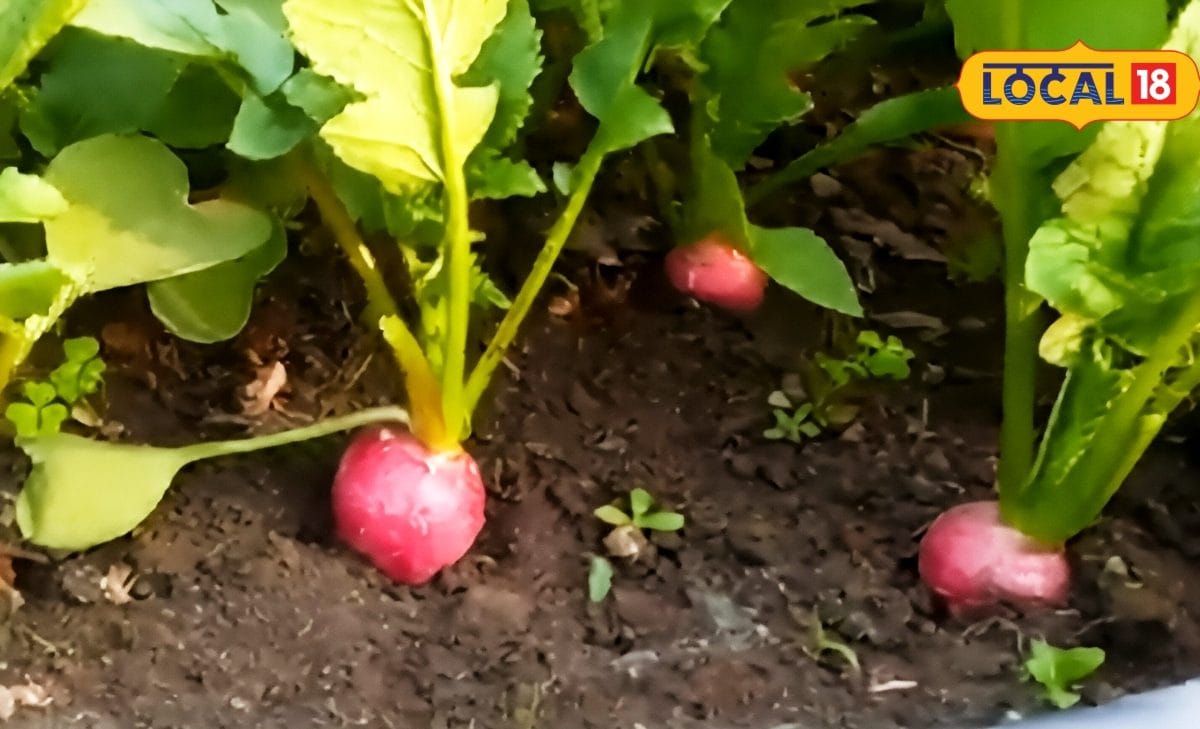
In the picturesque hill station of Mount Abu, located within the state of Rajasthan, a unique agricultural practice centered around the cultivation of red round radishes is capturing widespread attention. Characterized by the region's distinct cold climate conditions, this specialized farming has steadily transformed into a reliable and lucrative source of income for agricultural communities residing in the area. The crop thrives remarkably well under the low-temperature environment, producing a distinct variety that stands apart from standard commercial radish varieties found across the broader plains of the region.
The historical context of agriculture in Mount Abu has traditionally been shaped by its geography, elevation, and distinct microclimate, which allows for the cultivation of specialized temperate crops. Over generations, local farming families have adapted their indigenous agricultural practices to harness the natural chill of the winter season. This localized expertise has successfully nurtured the red round radish, turning a seasonal undertaking into a celebrated regional agricultural specialty that relies entirely on organic weather patterns rather than artificial interventions.
Examining the ground reality and current financial stakes, the red radish trade has established a formidable economic footing in local markets. Financial returns for cultivators have proven exceptionally favorable, with the specialty produce commanding a strong retail valuation ranging between one hundred and one hundred and fifty rupees per kilogram. This robust market pricing reflects both the high consumer demand driven by visiting tourists and the limited geographic availability of authentic Mount Abu red radishes, thereby securing a profitable margin for the hardworking farmers involved in its production.
Beyond its economic appeal, the produce has garnered immense popularity among tourists visiting Mount Abu from various parts of the country. Culinary enthusiasts and vacationers actively seek out dishes featuring this local delicacy, captivated by its vibrant coloration and crisp texture. Local market vendors and hospitality stakeholders report that the unique visual and gustatory appeal of the red radish makes it a quintessential culinary experience for anyone touring the hill station during the peak tourist season.
The broader regional impact of this thriving agricultural niche extends well beyond the immediate borders of Mount Abu, resonating throughout the wider geographic expanse including districts such as Kotputli-Behror. Agricultural planners and rural development analysts frequently look toward such successful localized cash crops as viable models for diversifying rural economies. The success of the red radish demonstrates how regional climatic advantages can be leveraged to create specialized agricultural economies that support local livelihoods and enhance community prosperity.
From an administrative and scientific perspective, agricultural authorities and horticultural researchers continue to monitor the cultivation process to ensure sustainable farming practices are maintained. Officials emphasize that the striking natural coloration of the radish originates from a high concentration of specific, naturally occurring compounds inherent to the plant's biological development under specific thermal conditions. This scientific validation reinforces the organic integrity of the crop, assuring consumers of its pure and unadulterated origin.
Looking toward the forward outlook, the future of red radish cultivation in Mount Abu appears remarkably promising, supported by steady market demand and favorable climatic conditions. Agricultural stakeholders anticipate that continued interest from tourists and health-conscious consumers will sustain high valuation levels in the coming seasons. As local farmers refine their harvesting techniques and expand distribution networks, this iconic mountain crop is poised to remain a cornerstone of regional agricultural pride and economic stability for years to come.
