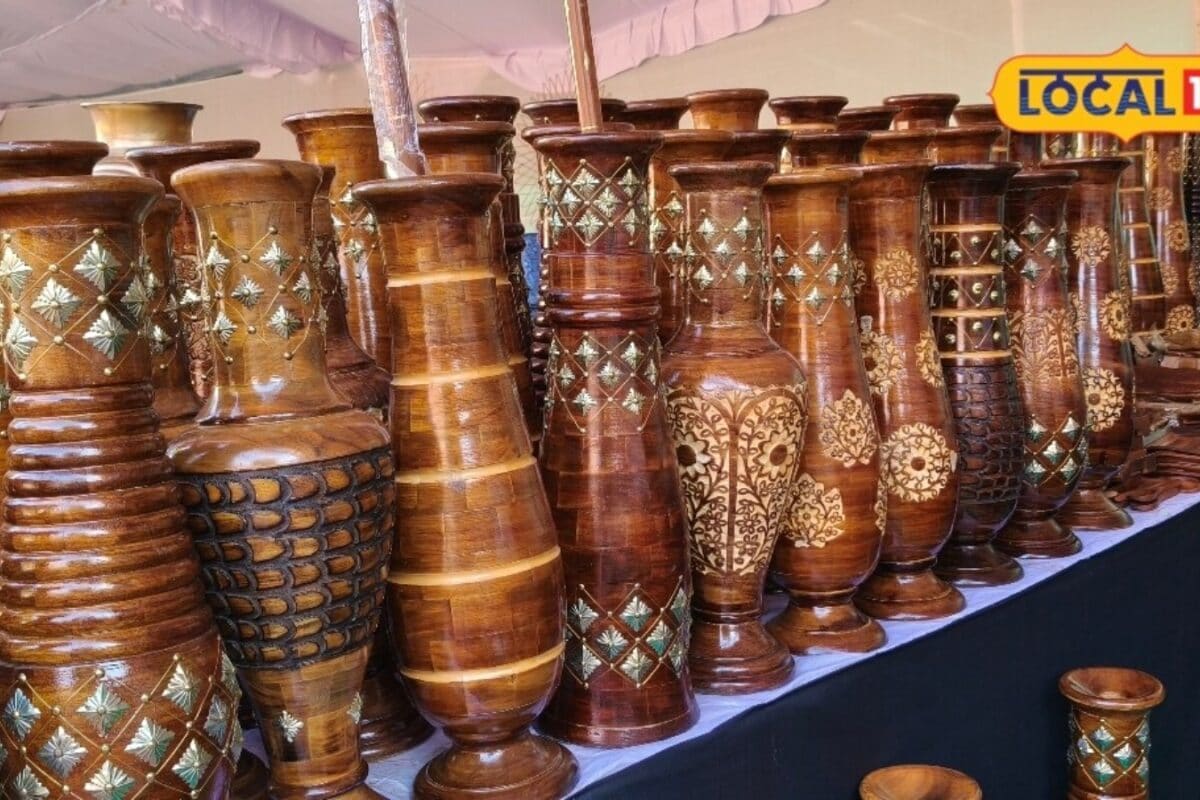
In an ongoing celebration of traditional indigenous craftsmanship, the Jawahar Kala Kendra in Jaipur has emerged as a bustling hub of cultural and commercial activity. The venue is currently hosting the Swadeshi Art and Craft Fair, an exhibition that brings together artisans, creators, and heritage enthusiasts from across the nation under one roof. Amidst the diverse stalls representing various regions of the country, a distinct prominence has been achieved by the artisans arriving from Saharanpur in Uttar Pradesh, who have brought their world-famous wooden furniture to the Pink City.
The art of wood carving has deep historical roots in Saharanpur, a region celebrated globally for producing some of the most intricate and durable wooden artifacts. For generations, master craftsmen in this Uttar Pradesh district have passed down specialized techniques of geometric detailing, floral motifs, and structural carpentry. When these artisans travel to metropolitan cultural hubs like Jawahar Kala Kendra in Jaipur, they bring with them centuries of accumulated heritage, translating raw timber into functional masterpieces that reflect India's rich artisanal lineage.
A closer examination of the ongoing exhibition reveals that the financial and logistical stakes for these visiting artisans are significant. Preparing and transporting heavy, intricately carved wooden furniture across state borders from Saharanpur to Jaipur requires meticulous planning and substantial investment. However, the commercial response at the Jawahar Kala Kendra fair justifies these logistical endeavors, as visitors and connoisseurs display immense eagerness to acquire these durable items, ranging from ornate seating arrangements to intricately designed utility boxes and decorative home elements.
Interactions with the visiting artisans and trade representatives at the fair highlight a unique market phenomenon regarding Saharanpur furniture. Unlike many traditional handicrafts that witness a surge in sales exclusively during the festive period of Diwali and regional celebrations, Saharanpur wooden furniture maintains a robust and steady demand throughout the entire year in Jaipur. Local interior designers, homeowners, and commercial establishments in Jaipur consistently seek out these authentic pieces for their timeless aesthetic appeal and structural longevity.
The ripple effects of such vibrant artisanal exhibitions extend far beyond the immediate exhibition halls of Jawahar Kala Kendra, positively influencing regional trade dynamics across Rajasthan, including districts such as Kotputli-Behror. As commercial networks bridge the distance between northern Uttar Pradesh and various commercial centers in Rajasthan, local furniture dealers and interior decorators in towns surrounding Jaipur find renewed inspiration and sourcing opportunities, ultimately enriching the local artisan ecosystem and promoting inter-state trade collaboration.
Administrative oversight and organizational frameworks at cultural institutions like Jawahar Kala Kendra play a crucial role in facilitating these large-scale craft fairs. Officials ensure that authentic creators receive direct platforms to showcase their work, minimizing middlemen exploitation and ensuring that economic benefits flow straight to the artisan families in Saharanpur. Such supportive infrastructure is vital for sustaining indigenous cottage industries and protecting traditional livelihoods in an increasingly mechanized global marketplace.
Looking toward the future, the continued success of the Saharanpur furniture display at Jaipur's Jawahar Kala Kendra sets a promising precedent for upcoming cultural and commercial expositions. Organizers anticipate that the remaining duration of the fair will witness an even higher footfall, encouraging more artisans from Uttar Pradesh and other states to participate in future editions. This enduring fascination with traditional wooden craftsmanship reaffirms that heritage-based artistry remains a vibrant pillar of modern Indian commerce and cultural exchange.