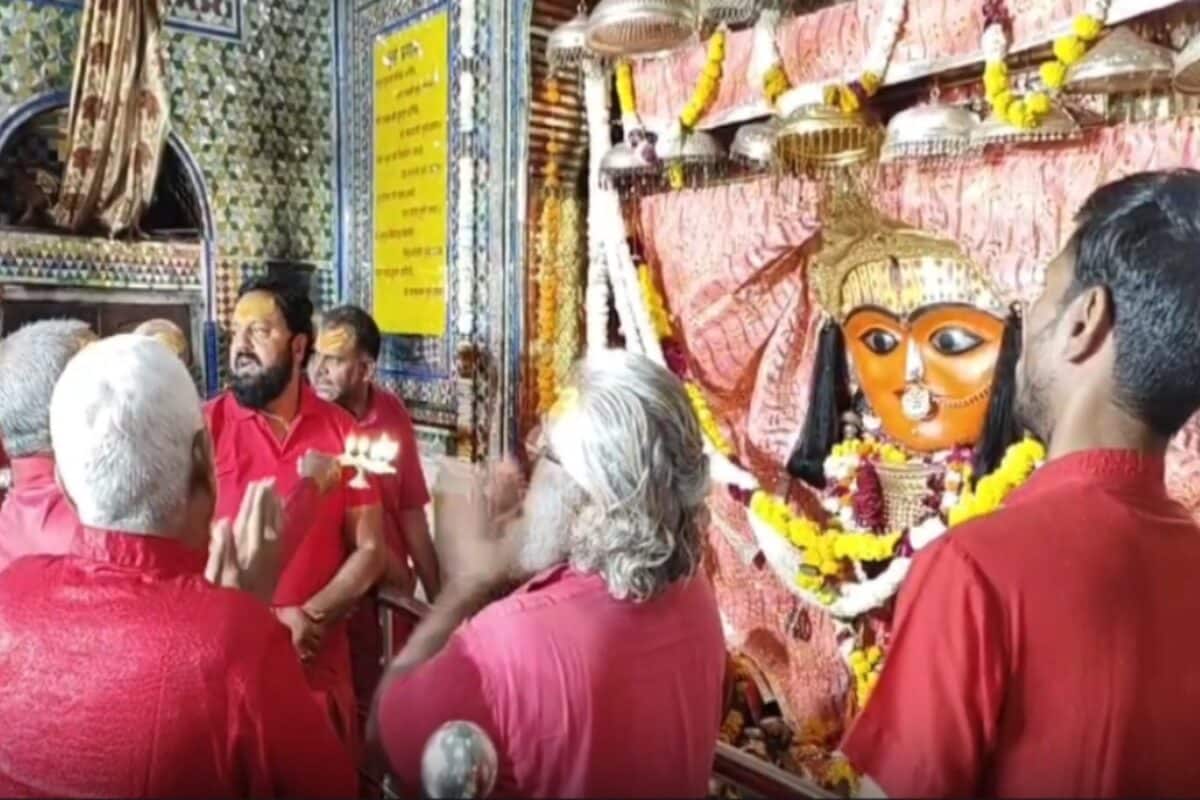
The ancient temple of Maa Shakambhari, situated in Sambhar within the Jaipur Rural region, continues to draw pilgrims and historians alike due to its profound religious significance and extraordinary folklore. Dedicated to the revered deity, the shrine stands as a powerful symbol of divine grace, deep-rooted spiritual beliefs, and miraculous transformations that have been passed down through generations.
According to traditional lore and regional narratives, the historical origin of the region is deeply intertwined with the divine acts of the goddess. Legend dictates that the deity once converted a shimmering expanse of silver earth into salt, establishing the foundational characteristics of the famous Sambhar Lake area, which remains a monumental geographical and economic landmark today.
Beyond its geological folklore, the sacred site is historically recognized for bringing forth vegetation and sustenance during severe famines, earning the goddess her revered title of Shakambhari—the provider of vegetables and nourishment. These enduring beliefs have cemented the temple's status as a vital spiritual anchor for millions of devotees across the region and beyond.
The cultural narrative of the temple is further enriched by its royal associations, notably featuring historical accounts connecting the shrine to the Mughal era and Emperor Jahangir. Such historical intersections highlight the temple's longstanding prominence across different ruling dynasties, bridging local indigenous traditions with broader imperial histories of North India.
Examining the broader regional impact, the legends surrounding Sambhar Lake and the shrine significantly influence the cultural identity of nearby areas, including districts like Kotputli-Behror. Local communities share deep socio-cultural ties with the sacred geography of Sambhar, celebrating traditional festivals and maintaining pilgrimage routes that honor the divine heritage of Maa Shakambhari.
Local administrative bodies and temple trusts continually manage the site to preserve its architectural integrity and accommodate the massive influx of pilgrims visiting during auspicious occasions and festive seasons. Efforts are consistently directed toward maintaining historical records, improving visitor facilities, and ensuring the seamless preservation of local heritage assets.
Looking forward, the preservation of the temple's legends and structural heritage remains a primary focus for historians, cultural custodians, and local authorities alike. As scholarly interest and religious tourism continue to grow, the timeless narrative of Maa Shakambhari and the salt flats of Sambhar is poised to endure for generations to come.