
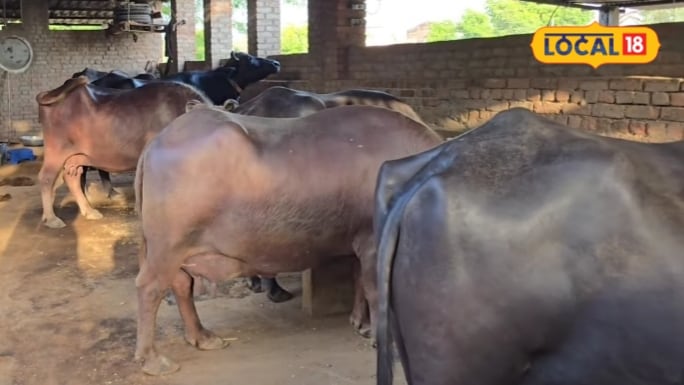
In recent times, rural households across various village and hamlet regions are exploring alternative livelihood models that require minimal initial capital yet promise sustainable economic returns. The livestock sector has emerged as a prominent pillar for economic self-reliance among farmers who wish to supplement their traditional agrarian income. By adopting structured dairy farming, rural communities can insulate themselves against seasonal agricultural vulnerabilities and establish a steady, year-round cash flow through milk production.
Historically, animal husbandry has been an intrinsic part of the rural fabric, traditionally managed for subsistence rather than commercial profitability. However, shifting market dynamics, increasing urban demand for pure dairy products, and enhanced logistical connectivity have revolutionized the rural economy. Families residing in remote rural pockets are now recognizing that organized dairy operations can be scaled systematically from humble beginnings into robust commercial enterprises capable of supporting multi-generational households.
At the ground level, transitioning into a commercial dairy venture does not necessitate massive infrastructural investments or extensive land acquisition. Experts and seasoned agricultural advisors recommend that aspiring dairy farmers commence their operations with a manageable herd size, specifically initiating the enterprise with two to four cattle, buffaloes, or goats. This calculated approach ensures that operational costs remain low, daily management is entirely controllable, and the entrepreneur can meticulously monitor the health, nutrition, and productivity of each individual animal without experiencing overwhelming financial strain.
Stakeholders within the rural economy, including experienced dairy farmers and agricultural extension officers, emphasize that meticulous planning is indispensable before acquiring any livestock. Essential operational prerequisites include identifying a reliable local or regional market for daily milk distribution, establishing a dependable and cost-effective fodder supply chain, and ensuring continuous access to veterinary healthcare services. Addressing these fundamental logistical requirements during the preliminary planning phase significantly mitigates the operational risks typically associated with small-scale livestock management.
The broader regional implications of promoting small-scale dairy farming are profound, particularly for developing agricultural districts seeking robust economic diversification. When individual rural households successfully establish income-generating dairy units, the collective purchasing power within the local community increases substantially. This grassroots economic revitalization reduces forced migration from rural areas to overcrowded urban centers, thereby preserving traditional social structures while simultaneously fostering sustainable regional development.
Government institutions and financial bodies play a critical catalytic role in facilitating this rural transformation through targeted administrative support mechanisms. Various welfare initiatives, including specialized livestock insurance policies and Kisan Credit Card schemes, provide essential financial cushions and liquidity support to small-scale dairy farmers. Administrative oversight ensures that subsidy distributions and veterinary outreach programs reach marginalized livestock owners, thereby democratizing access to institutional credit and modern agricultural resources.
Looking toward the future, the horizon for grassroots dairy entrepreneurship remains exceptionally promising, provided stakeholders maintain rigorous standards of animal husbandry and business management. With disciplined execution, continuous learning, and strategic utilization of governmental support frameworks, small ventures initiated with just a few animals possess the inherent potential to evolve into large-scale commercial dairy industries. Community leaders and agricultural authorities continue to encourage rural youth and farmers to embrace this viable pathway toward long-term economic independence.
