
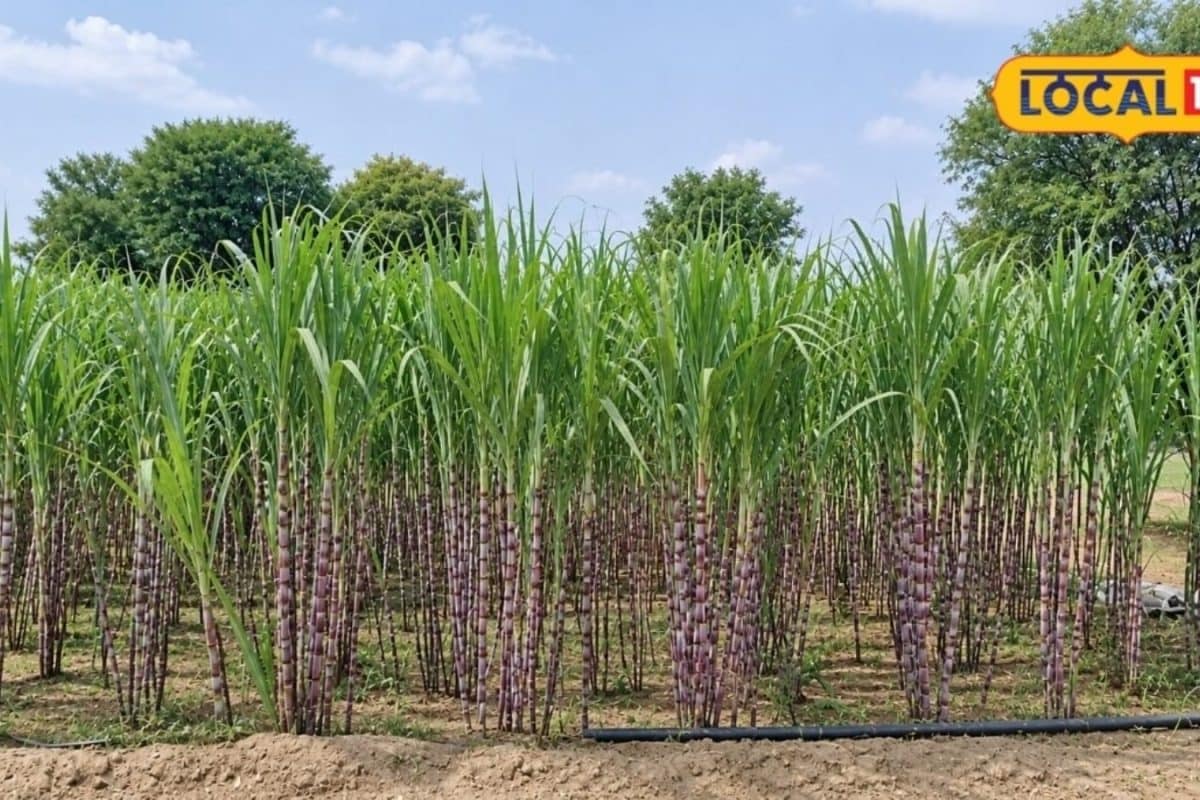
The rural landscape of Jaipur is witnessing a significant agricultural shift as Rojda village establishes a distinct identity through extensive sugarcane cultivation. Situated within the broader regional ecosystem, more than half of the farmers residing in this village have embraced sugarcane farming as their primary occupation and principal livelihood. This agricultural transition reflects a growing preference for cash crops that offer reliable market returns and sustained financial stability for rural families.
Examining the historical context of agricultural practices in the region reveals that cultivating sugarcane is not entirely new, but its systematic scaling has accelerated significantly in recent years. Veterans in the farming community have dedicated decades to perfecting the craft of growing this crop under local climatic and soil conditions. This accumulated wisdom has been successfully passed down through generations, transforming traditional farming methods into a more organized and commercially viable venture for the entire village.
Achieving such remarkable productivity is not merely a matter of chance but the result of rigorous adherence to seasonal timelines and scientific farming practices. Local agriculturalists emphasize that executing timely sowing, ensuring regulated irrigation cycles, and applying appropriate fertilizers are critical determinants of success. These disciplined farming protocols ensure that crops reach optimal maturity, thereby maximizing both the quantity and quality of the final harvest.
Looking toward the forward outlook, the sustained success of sugarcane cultivation in Rojda village offers a replicable model for neighboring settlements across the Jaipur rural region. As community members continue to refine their cultivation techniques and navigate market dynamics, public expectations remain high for continued economic prosperity. Local agricultural authorities and farming cooperatives anticipate that strengthening supply chain linkages will further safeguard these cultivators against market fluctuations in the future.
