
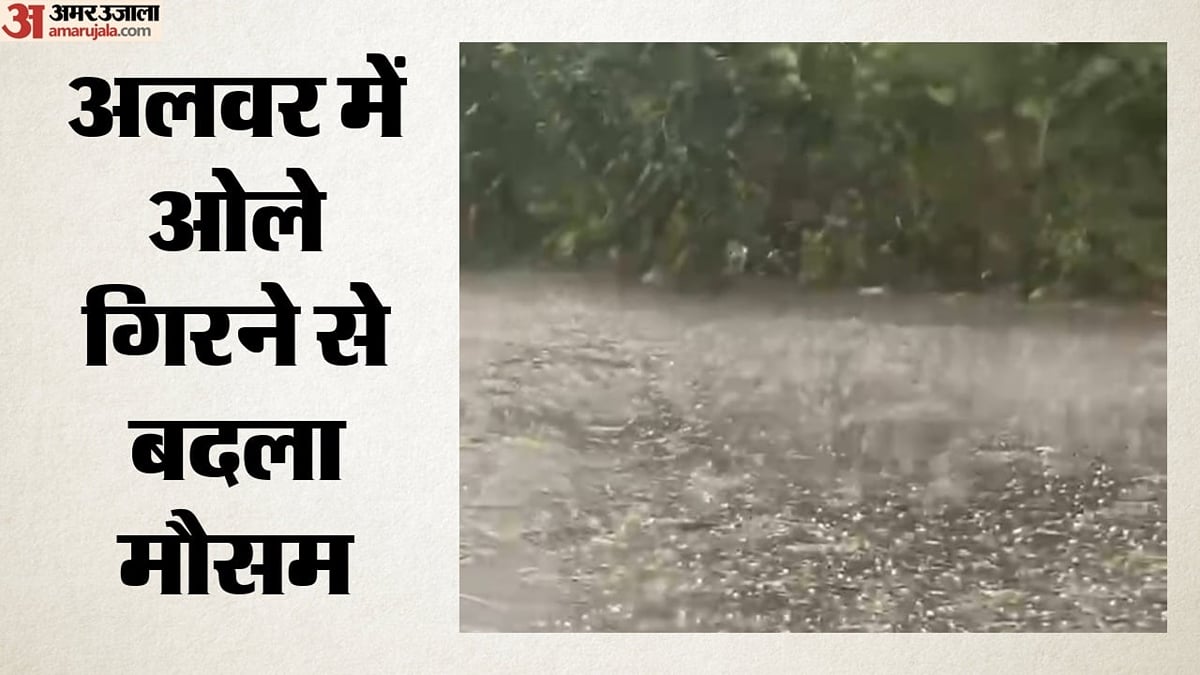
A pronounced shift in weather patterns across Rajasthan has been officially documented following the active influence of a western disturbance sweeping through the region. This atmospheric disturbance has brought sudden rainfall to major areas including Jaipur and Ganganagar, while severe localized hailstorms have struck specific pockets within Alwar and Kotputli-Behror. The unseasonal weather development has immediately altered daily routines and drawn the focused attention of local residents and agricultural observers alike.
Western disturbances are historically recognized for inducing winter and early-spring precipitation across the northwestern parts of the Indian subcontinent, originating from the Mediterranean region. Their arrival frequently disrupts prevailing temperature trends, introducing moisture-laden winds that clash with local atmospheric pressure systems. The current meteorological event aligns directly with these established seasonal transition dynamics, manifesting rapidly over the geographical expanse of Rajasthan.
On the ground, the immediate physical manifestations of this weather system varied significantly across the impacted locations. While regions such as Ganganagar and Jaipur experienced steady precipitation, the situation in Alwar and parts of Kotputli-Behror was marked by sharp drops in temperature accompanied by sudden hailstorms. These localized meteorological phenomena underscore the high degree of variability inherent in western disturbances as they traverse diverse topographical terrains.
Local communities, farmers, and regional traders have expressed varied concerns and observations regarding the abrupt climate shift. Agricultural stakeholders are particularly attentive to how sudden precipitation and hail might influence standing seasonal crops across the affected districts. Discussions among residents highlight the necessity of remaining adaptable to such unpredictable meteorological occurrences during transitional periods of the year.
Within the Kotputli-Behror district, the localized impact of the hailstorm has generated considerable local discourse regarding regional microclimates and agricultural preparedness. Community members and local observers have noted the swift transition from clear skies to overcast conditions followed by heavy precipitation. The district's unique geographical positioning continues to experience direct repercussions from these sweeping western weather systems.
Local administrative bodies and regional monitoring posts have maintained standard oversight of the changing weather conditions without reporting any extraordinary disruptions thus far. Authorities continue to observe meteorological updates closely to ensure that public safety and regional infrastructure remain secure amidst the sudden atmospheric volatility. Communication channels remain active for sharing timely advisories with the general public.
Looking ahead, meteorological forecasts indicate that the prevailing atmospheric instability is expected to continue, with specific chances of rain persisting through Saturday. Residents and regional authorities are advised to remain updated through official channels regarding further weather developments. Continued monitoring will be essential as the western disturbance gradually moves across the state.
