
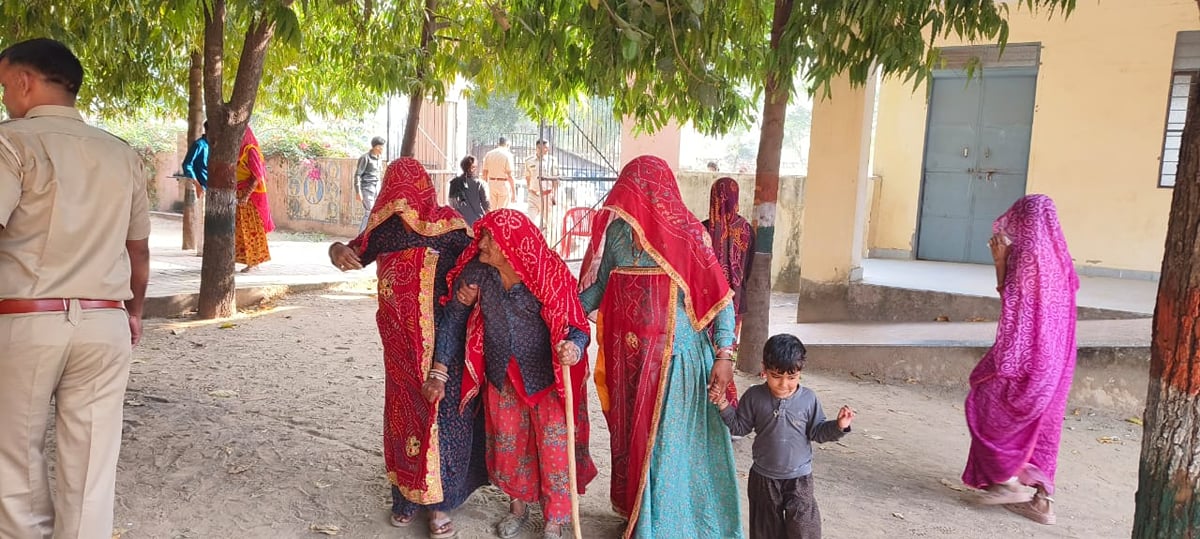
The first phase of the crucial panchayat elections in Rajasthan progressed with significant activity across multiple polling booths as citizens stepped out to exercise their democratic franchise. Administrative machinery remained on high alert since early morning to ensure smooth voting procedures, proper security arrangements, and strict adherence to election guidelines.
Elections at the grassroots level hold immense significance within the democratic framework of Rajasthan, serving as the foundational pillar for rural governance and local development initiatives. Over the years, these rural polls have witnessed enthusiastic participation from local communities who view local governance as the direct vehicle for addressing village-level infrastructure, water supply, and sanitation challenges.
According to the official reports compiled by election authorities regarding the ongoing voting trends, substantial regional variations in voter enthusiasm became evident by afternoon. Specifically, data collected up to one o'clock in the afternoon highlighted that the Dechu panchayat committee located in Phalodi recorded the highest voter turnout across the state at an impressive 64.25 percent.
On the other end of the spectrum, administrative figures revealed that Delwara in Rajsamand registered the lowest voter participation during the same timeframe, with turnout remaining restricted at 29.62 percent. Political analysts and local observers have begun evaluating the underlying socio-political factors contributing to this stark contrast in voter engagement between different rural pockets.
The electoral dynamics observed in these panchayat polls carry considerable implications for regional administration and grassroots political alignment. Local communities, village elders, and aspiring leaders engaged in extensive discussions surrounding civic responsibilities, rural development priorities, and the importance of active participation in the democratic decision-making process.
District administrations and election officials maintained constant vigilance across all polling stations, deploying adequate security personnel and administrative observers to address any logistical challenges or minor disputes promptly. Special arrangements were also made at various polling booths to facilitate senior citizens, differently-abled voters, and women casting their ballots.
As the polling process continued beyond the afternoon hours toward its scheduled conclusion, election authorities emphasized the importance of peaceful completion. The final turnout figures across all participating panchayat committees are expected to provide a comprehensive picture of rural political engagement in Rajasthan for the upcoming administrative term.
