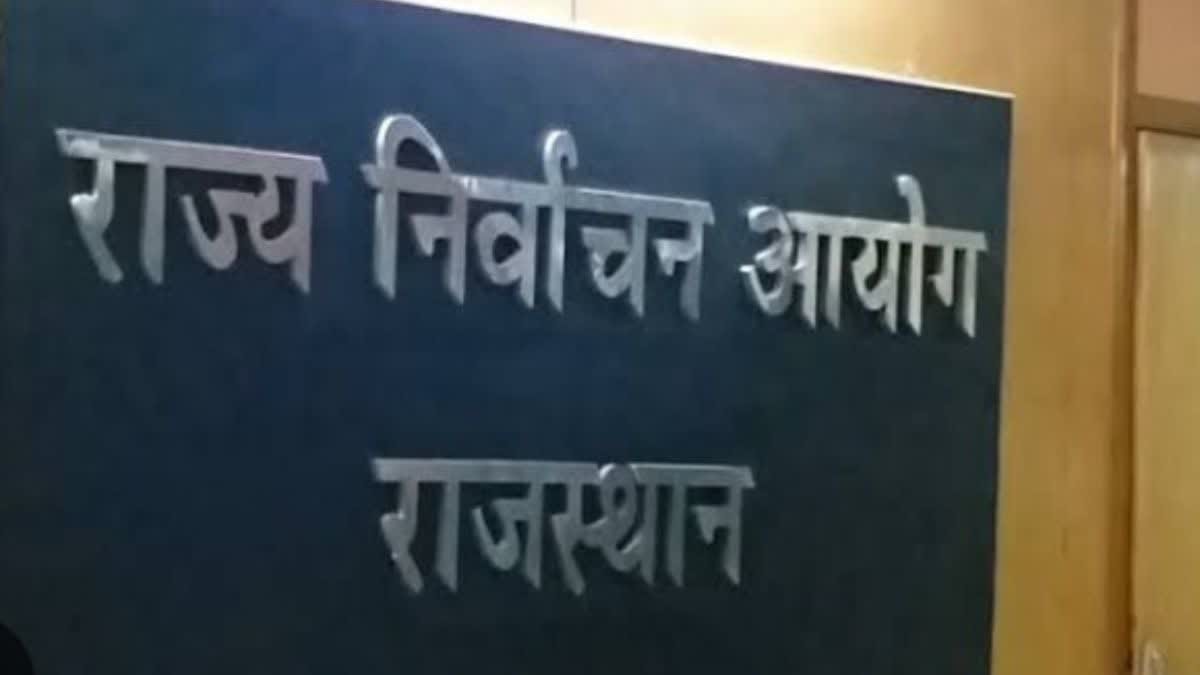
The State Election Commission has officially formulated and promulgated comprehensive regulatory guidelines governing the upcoming Panchayati Raj elections across Rajasthan. This definitive administrative step establishes clear legal parameters concerning candidate expenditure limits, authorized vehicle utilization, acoustic devices, campaign displays, and the rigorous submission of mandatory financial accounts. By instituting these standardized protocols, the regulatory body aims to fortify the democratic foundation of grassroots governance throughout the entire state.
Historically, local self-government elections frequently experienced unregulated financial expenditures and logistical discrepancies, which often distorted the competitive equilibrium among contesting candidates. Recognizing these persistent challenges, the State Election Commission undertook a meticulous review of previous electoral cycles to formulate a robust framework. This structural intervention addresses long-standing concerns regarding excessive resource mobilization, ensuring that fiscal disparity does not undermine the foundational principles of representative democracy at the village level.
The newly articulated regulations encompass explicit limitations on financial outlays, mandating that every candidate maintains an accurate, transparent, and verifiable ledger of all campaign-related expenses. Specific restrictions have also been imposed on the deployment of campaign vehicles, the decibel levels and operational timings of loudspeakers, and the unauthorized pasting of posters or erection of banners on public and private properties. Detailed financial reconciliation procedures require candidates to submit their comprehensive expenditure accounts to designated authorities within stipulated deadlines, thereby guaranteeing absolute accountability.
In response to these directives, various political stakeholders, community leaders, and prospective candidates have engaged in intensive consultations to comprehend the administrative expectations. While political organizations acknowledge the necessity of maintaining order and fiscal discipline, several local observers have emphasized the critical importance of equitable enforcement. Civil society representatives have expressed cautious optimism, noting that stringent oversight could significantly curb unwarranted malpractices and foster a cleaner, more issue-oriented electoral environment.
The regional impact of these standardized rules is particularly pronounced across developing administrative divisions and rural sectors, where grassroots mobilization traditionally involves extensive logistical arrangements. Local communities and administrative units within regions such as Kotputli-Behror are actively adapting to the newly mandated protocols. District-level observers suggest that the strict adherence required by the State Election Commission will reshape traditional campaigning methodologies, compelling candidates to prioritize direct voter engagement over extravagant resource displays.
To guarantee meticulous implementation, the administrative machinery has initiated comprehensive training programs for returning officers, electoral observers, and local enforcement personnel. Special monitoring cells have been authorized to track daily campaign expenditures, investigate reported violations, and initiate prompt corrective actions. This proactive administrative oversight underscores the unwavering commitment of the State Election Commission to uphold statutory compliance, penalize transgressions impartially, and preserve the sanctity of rural elections.
As the political momentum builds toward the formal announcement of election schedules, the focus remains firmly on compliance, transparency, and civic education. Stakeholders across the political spectrum are expected to align their strategies with the codified guidelines to avoid administrative penalties or potential disqualifications. The successful execution of these rules will undoubtedly serve as a critical benchmark for future electoral governance, reinforcing public trust in the democratic institutions of Rajasthan.