The political landscape of rural Rajasthan is currently witnessing an unprecedented surge in preparatory zeal as the state officially marches toward the highly anticipated Panchayat elections scheduled for 2026. Following the much-awaited announcement and completion of the lottery allocation process for various key posts—including Sarpanch, Panchayat Samiti members, and Zilla Parishad representatives—villages across the region have rapidly transformed into vibrant hubs of intense political activity and campaigning dynamics.
Historically, Panchayat elections in Rajasthan have always served as the foundational bedrock of grassroots democracy, capturing the utmost attention of rural populations due to their direct impact on local governance and grassroots development. The release of seat reservation categories through the official lottery system acts as an immediate catalyst, signaling the definitive commencement of the electoral cycle and instantly motivating ambitious local leaders to officially announce their candidacy and commence groundwork.
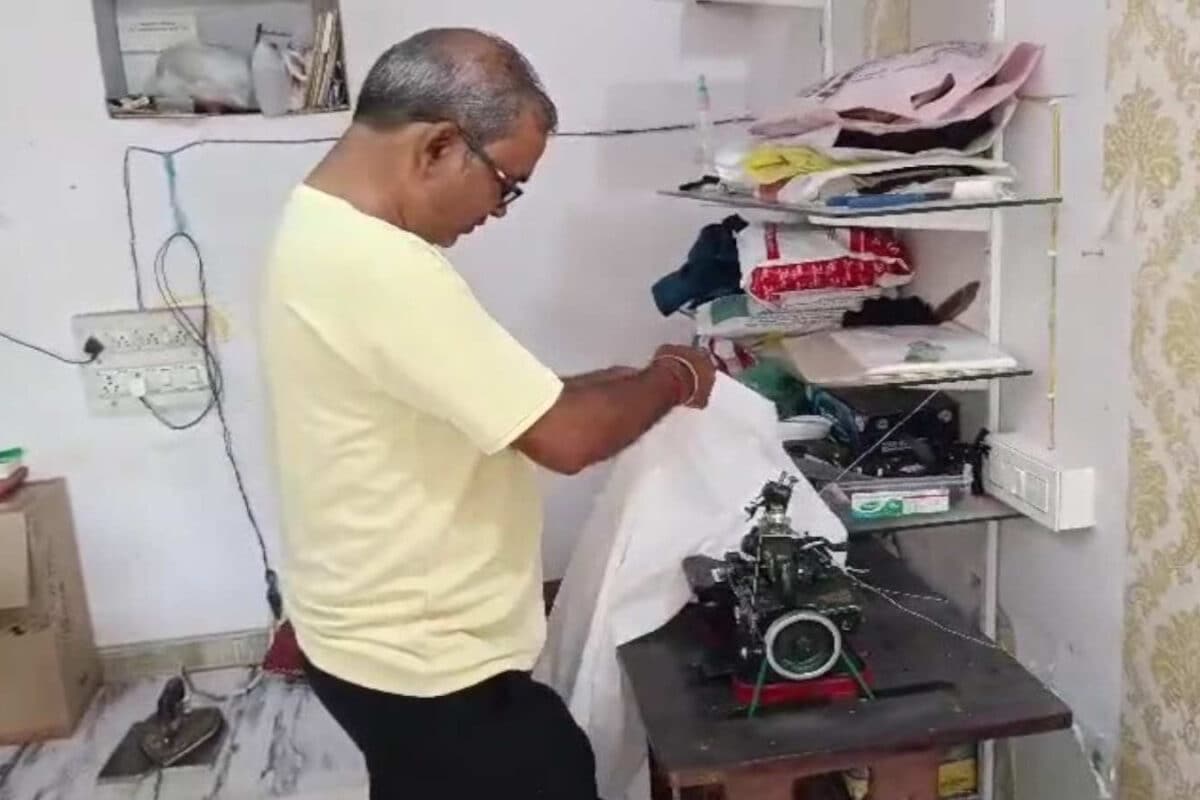
A vivid reflection of this shifting atmosphere is immediately noticeable in the bustling local markets of rural Rajasthan, where the traditional white kurta-pyjama has suddenly become the absolute most sought-after attire for prospective candidates. Tailors operating within these rural pockets are currently grappling with an extraordinary influx of customers, as aspirants firmly believe that donning immaculate traditional white attire is essential for projecting a credible, respectable, and community-oriented political image during their initial voter outreach campaigns.
Beyond the immediate rush for traditional garments, the local commercial ecosystem is experiencing a marked transformation as candidates begin procuring diverse election campaign materials and promotional paraphernalia. Local merchants, printing press owners, and artisanal suppliers report a steady rise in advance orders for pamphlets, banners, badges, and symbolic collateral, demonstrating how grassroots elections significantly stimulate micro-economies at the village and block levels.
The cultural and social reverberations of these elections extend deeply into community life, where local chaupal discussions, familial consultations, and caste panchayats are now intensely dominated by electoral calculations, seat-sharing possibilities, and candidate viability. The prospect of leading one's village as a Sarpanch or securing a pivotal committee seat inspires profound pride and intense competition, turning routine community interactions into active political strategy sessions.
Administrative authorities across the districts are simultaneously ensuring that all necessary institutional protocols, logistical frameworks, and security measures are systematically organized to handle the upcoming electoral phases transparently. Election commission guidelines are being meticulously disseminated to maintain total adherence to code of conduct regulations, ensuring that the democratic fervor translates into a fair, peaceful, and orderly electoral process.
As the election timeline progresses toward the formal filing of nominations, scrutiny, and eventual polling dates, the political temperature across rural Rajasthan is expected to scale even higher. The current rush at tailoring shops is merely the initial symptom of a much larger democratic festival, promising months of intense political engagement, community mobilization, and grassroots governance debates across the entire state.