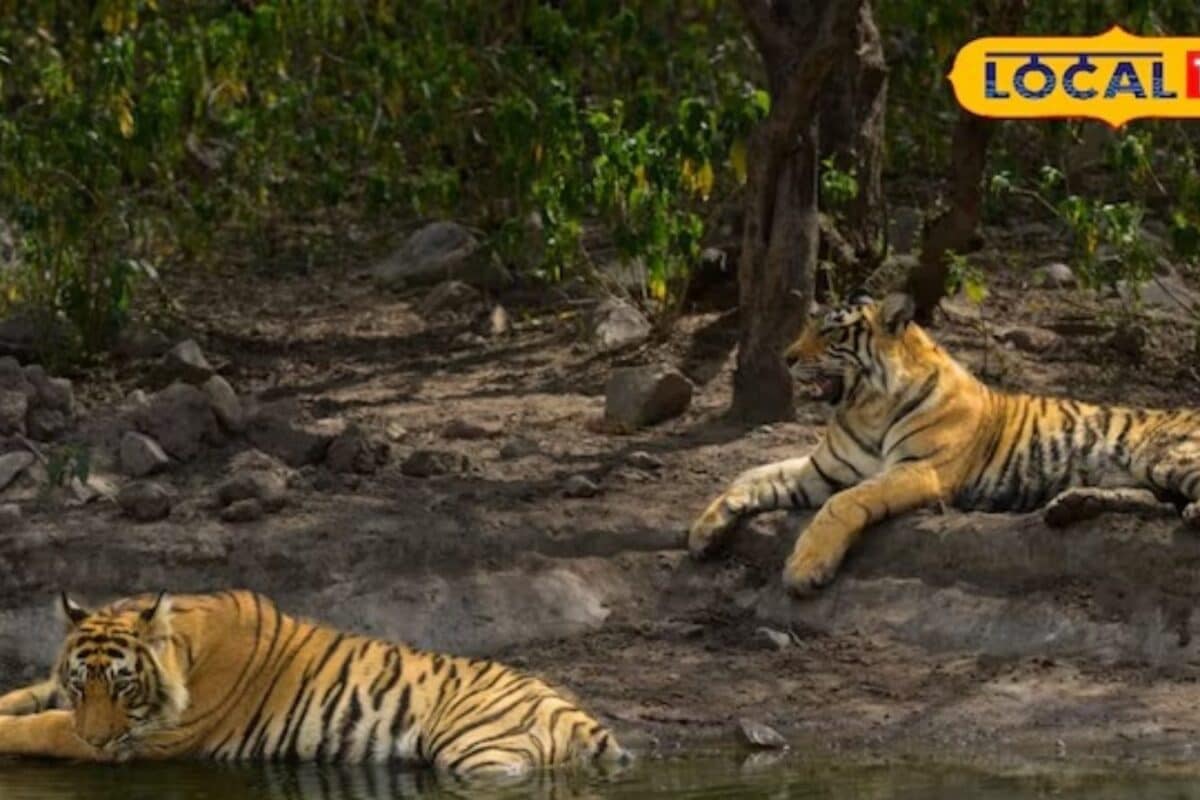
The wait for wildlife enthusiasts and nature lovers in Rajasthan is finally coming to an end as the state prepares to welcome visitors back to its magnificent wildlife sanctuaries. Following a mandatory three-month monsoon break, which allows the ecosystem to rejuvenate and protects breeding wildlife, the jungle safari season will officially resume on October 1. This highly anticipated reopening spans several premier tiger reserves and national parks across the region, bringing renewed vigor to the local tourism sector.
Historically, the monsoon closure is a crucial conservation practice implemented annually by the forest department to safeguard wildlife during their sensitive breeding period and to allow unhindered natural growth within the reserves. During this seasonal pause, vehicular movement is completely restricted on forest tracks to minimize anthropogenic disturbance. The resumption on October 1 marks the formal opening of the gates, allowing tourists to once again immerse themselves in the rich biodiversity and natural heritage preserved within these protected zones.
As operations resume, significant logistical preparations are actively underway on the ground. The forest department has deployed teams to repair damaged unpaved tracks, upgrade drinking water facilities, construct and clean restrooms, and spruce up waiting rooms for arriving visitors. Financial stakes are exceptionally high for the regional tourism economy, with advance bookings for October safaris already reported as fully packed in prominent destinations like Sariska and Ranthambore, indicating robust commercial activity from the very first day of the season.
Stakeholder sentiment is overwhelmingly positive, with hoteliers, gypsy operators, local guides, and regional traders expressing immense enthusiasm. The excitement is further amplified by official wildlife census data indicating a thriving tiger population across the sanctuaries. Specifically, Sariska currently reports a population of 56 tigers, while Ranthambore boasts an estimated 84 tigers. These robust numbers guarantee high visibility and thrilling wildlife sightings for visitors embarking on safaris.
The reopening of the safari season carries profound economic implications for neighboring districts, including the wider Kotputli-Behror region. A surge in domestic and international tourists travelling toward Sariska and other reserves creates a ripple effect of economic opportunities for local businesses, transport providers, and small-scale vendors. Hospitality enterprises, roadside eateries, and handicraft sellers anticipate a substantial boost in their seasonal revenues as travelers traverse the transit routes leading to the national parks.
Administrative oversight remains stringent as the forest department ensures all operational protocols are meticulously followed before the opening date. Authorities are closely monitoring the completion of infrastructure repairs and enforcing strict adherence to carrying capacity limits within the parks. These measures are designed to balance commercial tourism demands with absolute ecological preservation, ensuring that the movement of visitors in jeeps and canters does not compromise the tranquil habitat of the resident wildlife.
Looking ahead, the upcoming tourism season holds immense promise for both conservation advocates and the state economy. With October slots already heavily booked, the momentum is expected to sustain through the winter months. The forest department and regional stakeholders remain fully committed to delivering a seamless, safe, and enriching wildlife experience, cementing Rajasthan's reputation as a premier global destination for tiger conservation and eco-tourism.