
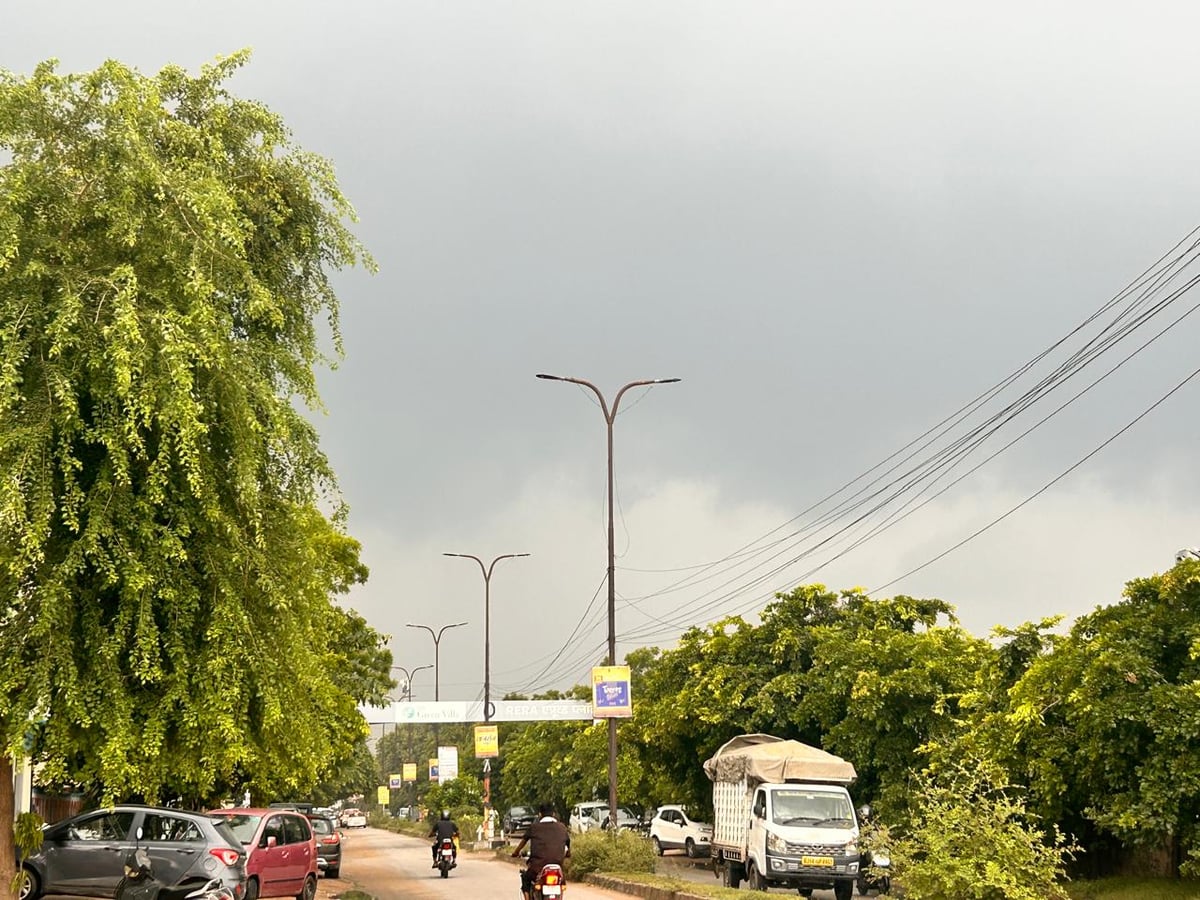
A dynamic change in weather patterns is set to sweep across Rajasthan as a Western Disturbance makes its presence felt over the region. According to weather reports, light rainfall accompanied by strong winds is expected to hit parts of Jodhpur, Bikaner, and the Shekhawati region on 14 and 15 November. This atmospheric system is anticipated to alter local climate conditions significantly over the two-day period.
The arrival of Western Disturbances during mid-November typically marks a crucial transition phase in the upper-atmospheric wind currents over northwestern India. As this trough moves across the region, it brings moisture-laden clouds and turbulent winds, temporarily disrupting the dry spell that had prevailed over the desert state during early autumn.
Detailed atmospheric tracking indicates that the primary impact of this system will be concentrated in western and northern districts. On 14 and 15 November, light showers along with gusty surface winds will prevail across selected areas in Jodhpur, Bikaner, and Shekhawati. From 16 November onwards, as the disturbance moves eastward, cold winds originating from the northern regions will take over, leading to a noticeable temperature drop of 2 to 4 degrees Celsius across the state.
Local farming communities and outdoor workers across the affected zones are taking note of these forecasts to adjust their daily routines. The anticipated rain and wind could influence standing crops and seasonal harvesting operations, prompting rural families to take precautionary measures for securing harvested yield and managing livestock shelters.
The upcoming atmospheric change will also extend its influence toward eastern and central parts of Rajasthan, including the Kotputli-Behror region. As northern cold winds gain momentum after 16 November, evening and early morning temperatures in these areas are expected to plummet, ushering in a sharp winter chill across rural and urban settlements alike.
Civic and health officials advise citizens to remain mindful of the abrupt shift in thermal conditions. The sharp decline in temperature between two to four degrees Celsius increases the likelihood of seasonal health ailments, especially among elderly citizens and young children, making early winter precautions essential.
With the rain activity concluding around 15 November, the state will transition entirely into a winter pattern led by northerly cold winds. The post-disturbance period starting 16 November will establish a sustained drop in night temperatures, signaling the firm onset of the winter season throughout Rajasthan.
