
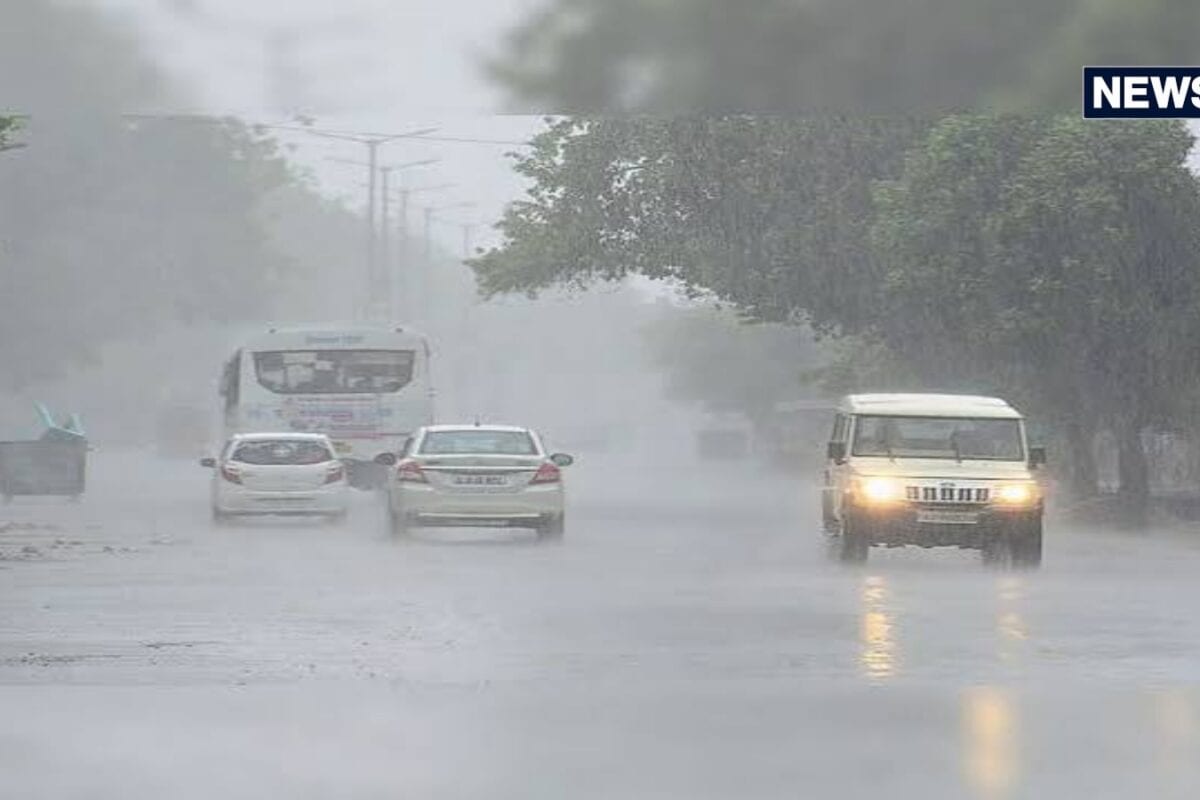
The Rajasthan Weather Centre, operating out of Jaipur, issued an alert on 10 September indicating that a newly formed weather system over the Bay of Bengal is expected to influence the state's climate from 11 September onward. According to the centre's latest update, the system could enhance rain‑making activity across eastern Rajasthan on 11‑12 September, with a subsequent possibility of showers reaching western districts on 12‑13 September. The alert specifically mentions potential rain in the Bharatpur, Jaipur and Kota divisions, while also warning of occasional thunder and lightning. No comprehensive district‑wise forecast has been released for 12 September, making a statewide rain declaration premature.
Rajasthan's climate is traditionally characterised by a stark contrast between the arid desert in the west and the comparatively wetter zones in the east. The monsoon season, which typically arrives in late June, often brings sporadic rain that is amplified when low‑pressure systems migrate from the Bay of Bengal. Historical records show that similar east‑to‑west progressions have occurred in years such as 2015 and 2019, when a system originating over the Bay triggered localized showers that later moved inland, providing much‑needed moisture to rain‑fed agriculture.
On the ground, meteorologists anticipate that the eastern districts—particularly Bharatpur, Jaipur and Kota—will see scattered showers accompanied by gusty winds and occasional lightning strikes. The Weather Centre cautions that these conditions could lead to temporary disruptions in outdoor activities, especially in rural markets and school premises. While the western regions may experience lighter precipitation on 12‑13 September, the intensity is expected to be lower than that forecast for the east. The absence of a detailed district forecast for 12 September means that authorities and residents must remain vigilant and monitor updates closely.
Local stakeholders have begun to prepare for the anticipated weather. Agricultural extension officers in Bharatpur have advised farmers to secure loose tools and protect seedlings that are nearing the critical growth stage. Market traders in Jaipur expressed optimism that a brief spell of rain could replenish groundwater levels, which have been under stress due to a prolonged dry spell. Meanwhile, municipal officials in Kota highlighted the need for heightened awareness of lightning hazards, urging residents to avoid open fields during thunderstorms.
For the Kotputli‑Behror district, which lies on the fringe of the Jaipur division, the forecast carries mixed implications. The region's agrarian economy relies heavily on timely rains to sustain wheat and mustard crops. A moderate shower could alleviate soil moisture deficits, reducing the risk of crop stress before the winter harvest. Conversely, sudden thunderstorms could disrupt road traffic on the NH‑48 corridor, affecting the movement of goods and commuters. Small businesses that depend on daily footfall may also feel the impact of temporary closures during heavy downpours.
State authorities have activated the Rajasthan Disaster Management Authority (RDMA) to monitor the evolving situation. The RDMA, in coordination with the Weather Centre, is disseminating weather advisories through local radio, SMS alerts and social media platforms. District administration in Jaipur has instructed the public works department to clear drainage channels in anticipation of possible waterlogging. Additionally, the police have been briefed on crowd‑control measures for schools and public gatherings that may be affected by sudden rain.
Looking ahead, the Weather Centre will release a more granular forecast for 12 September as data from satellite and ground stations become clearer. Residents are advised to stay informed through official channels and to take precautionary steps, such as securing outdoor equipment and avoiding travel during intense thunderstorms. The short‑term outlook suggests that the rain will be intermittent, offering a brief respite to agriculture without causing widespread disruption. Continuous monitoring will determine whether the system dissipates or intensifies, influencing weather patterns for the remainder of the month.