
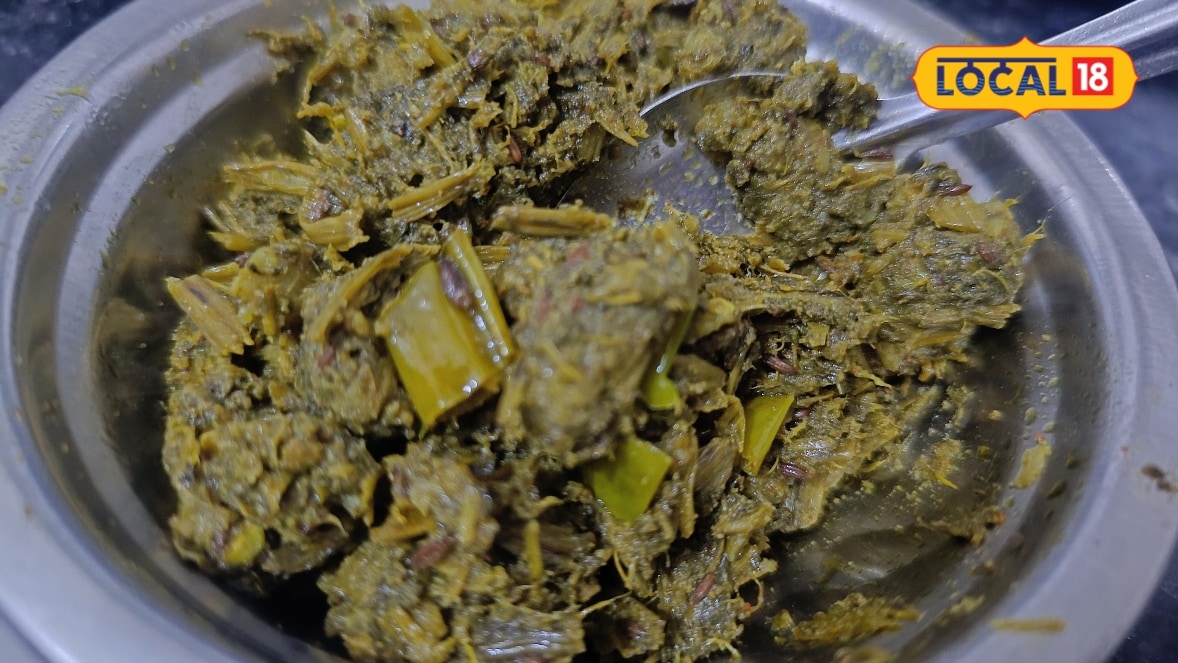
In kitchens across the Kotputli‑Behror district, a humble preparation of radish and its leaves—known locally as desi bhurji—is rapidly becoming a staple comfort food. The dish, cooked with readily available spices such as cumin, turmeric, and green chilies, is traditionally served alongside warm roti or flaky paratha, offering a satisfying blend of texture and taste that encourages diners to linger over each bite.
The practice of incorporating radish leaves into everyday meals has deep roots in Indian culinary tradition. Historically, households in northern India have maximised the use of every part of the vegetable, turning what might otherwise be waste into nourishing fare. This frugal approach reflects a broader cultural ethos of resourcefulness, where seasonal produce is celebrated and preserved through simple, spice‑laden preparations.
From a practical standpoint, the bhurji requires no specialised equipment; a basic wok or skillet suffices. Fresh radishes and their tender leaves, often harvested from home gardens or local markets, are diced and sautéed with onions, tomatoes, and a modest blend of spices. The resulting mixture is cooked until the vegetables soften and the flavours meld, producing a dish that is both quick to prepare and adaptable to household taste preferences.
Home cooks, street vendors, and nutrition advocates alike have voiced enthusiasm for the dish. Many households appreciate the ease of turning a modest pantry into a wholesome meal, while street vendors have added the bhurji to their menus as a quick, affordable option for commuters. Nutritionists highlight the high fibre and vitamin content of radish leaves, noting that regular consumption can support digestive health and provide essential micronutrients without added cost.
The surge in popularity is having a noticeable impact on the regional economy. Local vendors report increased sales of radish greens, prompting farmers to allocate a larger portion of their harvest to leaf production. Community gatherings and festivals now feature the bhurji as a representative dish of Kotputli’s culinary heritage, reinforcing a sense of shared identity and encouraging the circulation of locally sourced produce.
In response, municipal health officials have incorporated the radish‑leaf bhurji into public nutrition campaigns, emphasizing its role in balanced diets. Educational programmes in schools are introducing simple cooking demonstrations, encouraging children to recognise the value of leafy vegetables. These initiatives aim to sustain the dish’s momentum while fostering broader awareness of sustainable food practices.
Looking ahead, culinary enthusiasts anticipate that the bhurji will continue to inspire variations, such as the addition of regional herbs or the pairing with fermented accompaniments. Community organisations are planning seasonal cooking workshops to preserve the traditional technique and to explore innovative presentations. As the dish remains a favourite on family tables, its legacy is poised to endure, reinforcing both cultural pride and nutritional well‑being.