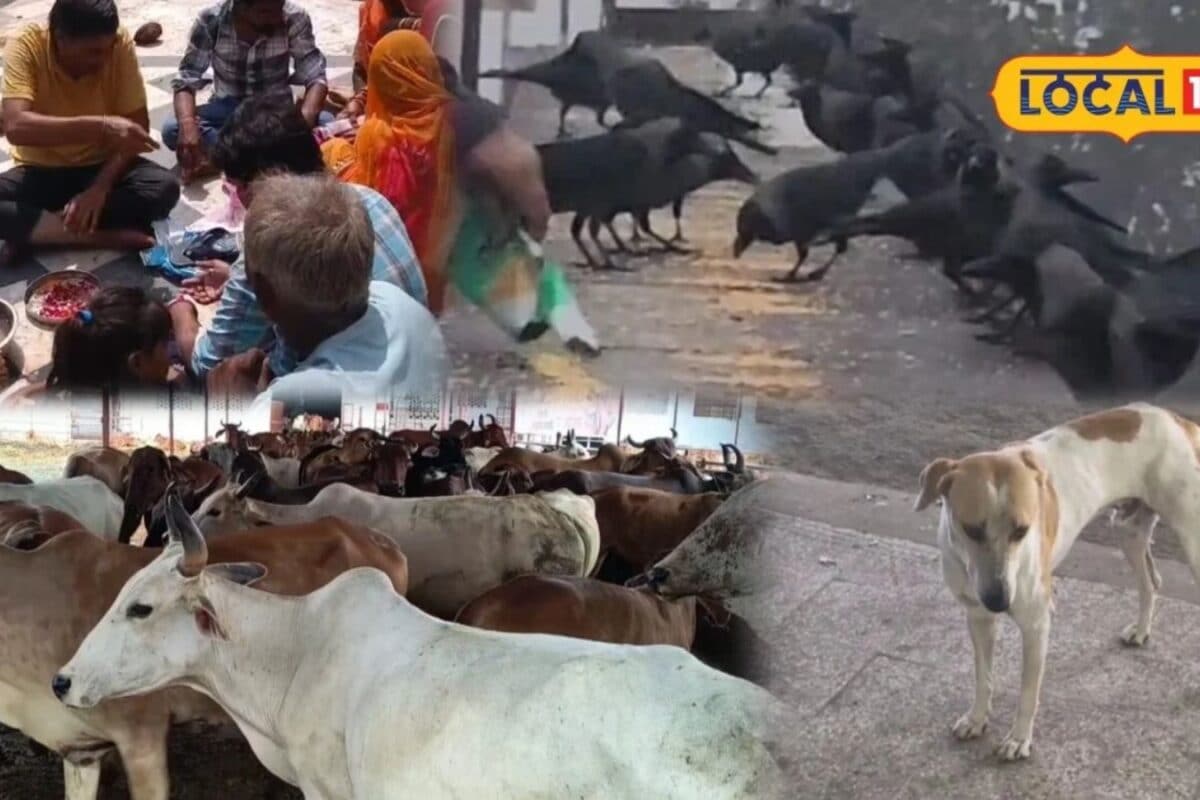
As Pitru Paksha 2026 commences, families across various regions are meticulously preparing to perform ancestral rites and rituals, prominently including the traditional practice of feeding crows. However, rapid urbanization, changing urban ecosystems, and environmental shifts have made finding crows increasingly difficult in modern cities and metropolitan neighborhoods, causing considerable anxiety among devout households dedicated to preserving their ancestral customs.
Historically, the ritual of offering food to crows during the sacred fortnight holds deep spiritual significance in Hindu tradition, symbolizing a direct bridge and communion with departed ancestors. The sudden scarcity of these birds in concrete-heavy urban landscapes has disrupted long-standing domestic rituals, leaving younger generations and elders alike searching for authentic textual alternatives to fulfill their religious and filial duties without compromising scriptural integrity.
Addressing these contemporary logistical challenges, noted Bhilwara-based scholar Pandit Kamlesh Vyas has provided authoritative guidance on navigating the shortage of crows during the sacred period of 2026. He emphasizes that the core essence of Shraddh lies in sincere devotion, charity, and feeding hungry living beings, rather than being strictly restricted to a single avian species which might be geographically unavailable in urban settlements.
According to Pandit Kamlesh Vyas, when crows are completely unavailable, families can seamlessly fulfill their ancestral obligations by offering food to alternative creatures such as cows, dogs, ants, and other dependent birds. This inclusive approach broadens the ritualistic framework, ensuring that the primary objective of charity, sustenance, and benevolence toward all creation is successfully and respectfully met.
The integration of alternative feeding practices carries profound social and cultural implications for regional communities, particularly bridging the gap between ancient traditions and modern urban realities. By encouraging households to look toward domestic animals and local wildlife, the practice reinforces the broader societal values of ecological harmony, compassion, and animal welfare during a deeply reflective religious season.
To maintain ritualistic purity and public health standards, religious experts and community leaders advise utmost cleanliness during the preparation and distribution of food to these alternative animals. It is explicitly recommended that citizens ensure the offered provisions are entirely safe, wholesome, and free from any components that could potentially harm the digestive health of cows, dogs, and other participating fauna.
Looking forward, as urban areas continue to expand through 2026 and beyond, adapting ancestral rituals through authoritative scriptural interpretations will likely become a recurring necessity for urban households. Embracing these compassionate alternatives ensures that the timeless cultural heritage of Pitru Paksha endures resiliently, adapting gracefully to changing environmental conditions while keeping the foundational spirit of ancestral reverence fully alive.