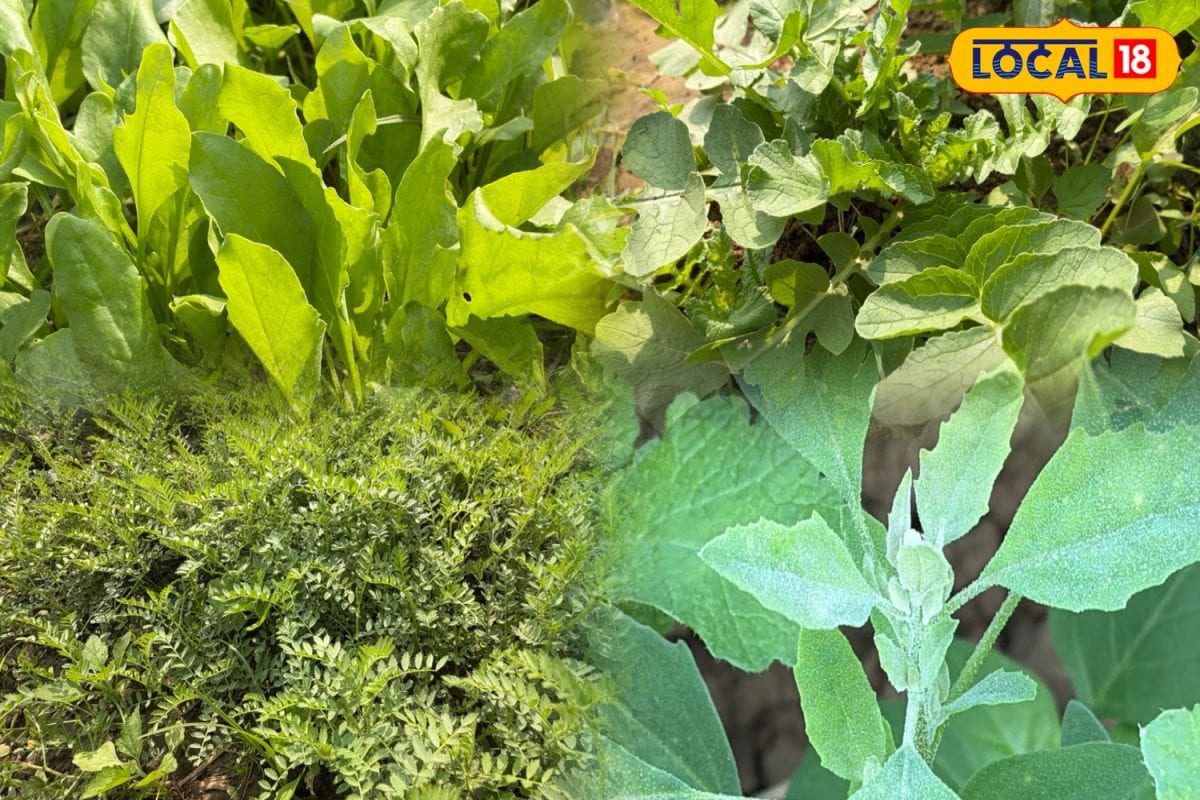
With the formal arrival of the winter season, rural households and traditional dining tables across the region have witnessed a significant shift toward indigenous green vegetables. The seasonal culinary landscape is currently dominated by five primary green vegetables: gram greens, bathua, fenugreek, radish, and spinach. These traditional food items have firmly established themselves as staples of winter diets, bringing a unique blend of authentic taste and rich nourishment to everyday meals.
The deep-rooted tradition of consuming these winter greens traces back through generations of rural communities who have long relied on seasonal agricultural cycles for their nutritional well-being. Historically, these indigenous crops were cultivated naturally during the cold months, requiring minimal external inputs while offering maximum dietary resilience against the harsh winter weather. Over decades, culinary practices have evolved, yet the foundational preference for these farm-fresh greens remains entirely unchanged among rural populations.
Examining the ground reality of local agricultural markets reveals a consistently high demand for these five seasonal greens throughout the winter months. Logistical supply chains from nearby agricultural fields to local village haats and regional mandis operate at peak efficiency during this period, ensuring that households receive fresh produce daily. The affordability and abundance of these greens make them accessible to families across various economic strata, reinforcing their status as a dietary cornerstone during the colder season.
Community members, local farmers, and traditional food connoisseurs have consistently highlighted the irreplaceable culinary value of these winter vegetables. Elder residents and local community voices frequently emphasize that the combination of freshly prepared gram greens served alongside traditional millet flatbreads represents the pinnacle of rural culinary heritage. Furthermore, local agricultural vendors report a steady surge in daily sales, reflecting the unbroken public preference for these nutrient-dense indigenous offerings over modern commercial alternatives.
The regional impact of this seasonal dietary preference extends far beyond individual households, influencing local rural economies and agricultural livelihoods. Small-scale farmers and local vegetable growers derive substantial seasonal income from the cultivation and direct local sale of these winter greens. This seasonal economic activity strengthens community interdependence, ensuring that traditional farming knowledge and local market commerce thrive in tandem throughout the winter season.
From an administrative and public health perspective, local community health advocates and regional nutrition advisors actively promote the regular consumption of these traditional green vegetables. Given their rich profile of essential vitamins, dietary fiber, and vital minerals, these foods are recognized as natural contributors to public wellness during the winter months. Public health awareness initiatives frequently encourage citizens to maintain traditional dietary habits to combat seasonal fatigue and enhance natural immunity.
Looking toward the remainder of the winter season, agricultural analysts and local market observers anticipate that the high demand for gram greens, bathua, fenugreek, radish, and spinach will remain strong. Public expectations align with the continuation of these wholesome dietary traditions, ensuring that local farming communities and consumers alike will continue to benefit from the rich agricultural bounty unique to the winter season.