
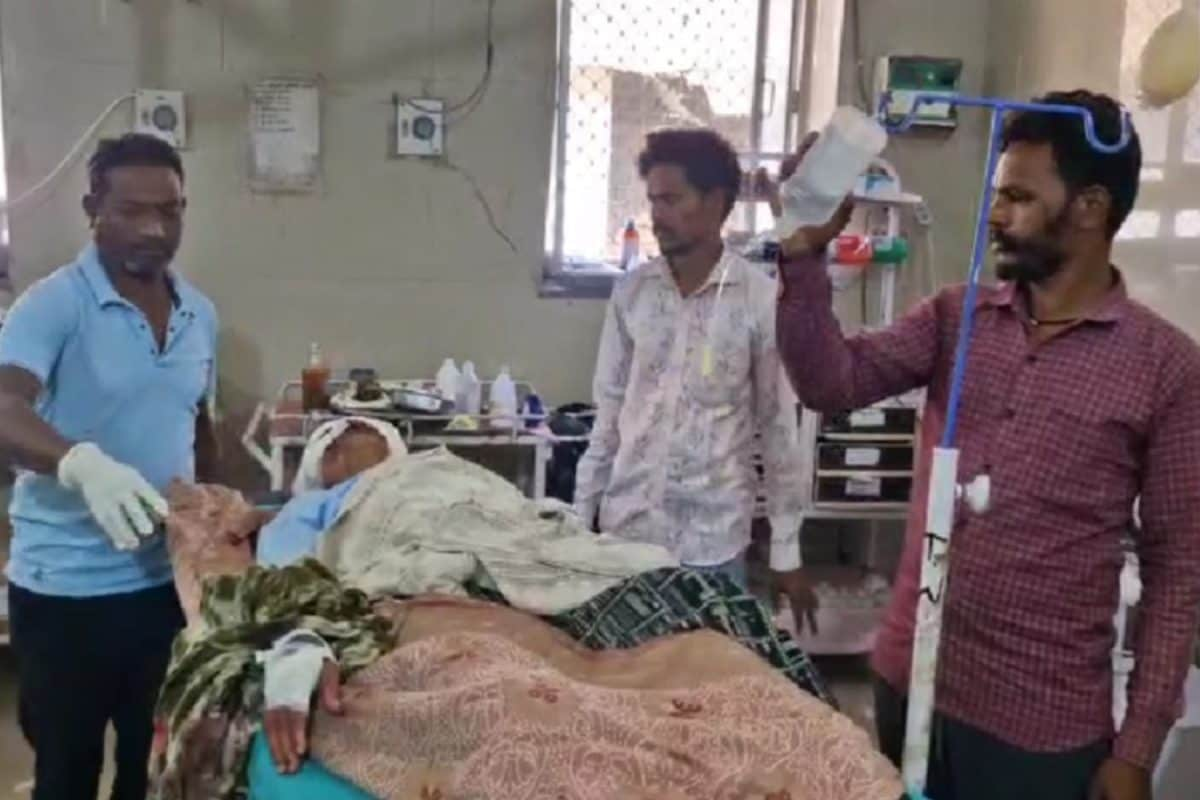
A harrowing incident of human-wildlife conflict has shaken Surajkund village in Banswara district, where a 75-year-old woman sustained severe facial injuries following a sudden attack by a panther while sitting outside her residence. The unexpected predator assault occurred during broad daylight, leaving the victim in critical condition and immediately transforming the peaceful rural hamlet into a zone of immense anxiety and shock.
The village of Surajkund in Banswara, situated in proximity to forested belts, has seen an increasing frequency of wild carnivores venturing near human habitations in search of prey and water. This latest tragic encounter highlights the persistent vulnerability of rural communities living on the fringes of wildlife corridors, where basic outdoor routines can instantly escalate into dangerous survival situations for local residents.
According to ground reports from the scene, the 75-year-old woman was resting quietly in the courtyard outside her home when the big cat suddenly pounced upon her without warning. The animal targeted her head and face, inflicting deep lacerations before local shouts scared the beast away. The victim was rushed to the emergency department of a nearby hospital, where attending surgeons worked extensively to stabilize her condition, ultimately having to apply over 50 stitches across her face to close the severe traumatic wounds.
The brutal nature of the attack has sent shockwaves throughout Surajkund, generating widespread panic and intense grievance among the village residents. Families have expressed grave worry regarding the movement of wild predators, emphasizing that elderly individuals, women, and young children are now terrified of stepping outside their houses even for routine agricultural or domestic chores.
News of the traumatic mauling in Banswara has resonated across adjoining peripheral districts, including Kotputli-Behror, where human-wildlife friction along forest boundaries remains a continuous issue for rural populations. The incident underscores the urgent demand across Rajasthan's agrarian countryside for robust rural street illumination, prompt medical emergency response units, and effective boundary barriers around remote villages.
In response to the critical situation, local administration and forest department authorities were notified to inspect the site of the attack in Surajkund village. Wildlife teams have commenced tracking measures to determine the trajectory of the stray panther, while medical personnel continue to closely monitor the recovery of the 75-year-old victim following her major surgical intervention involving more than 50 facial stitches.
As the injured woman undergoes treatment, community leaders and villagers are urgently pressing the forest department to deploy cages, tranquilizer teams, and continuous night patrols in Surajkund. The priority remains capturing the aggressive predator swiftly to safeguard public life and prevent further catastrophic encounters in the region.
