
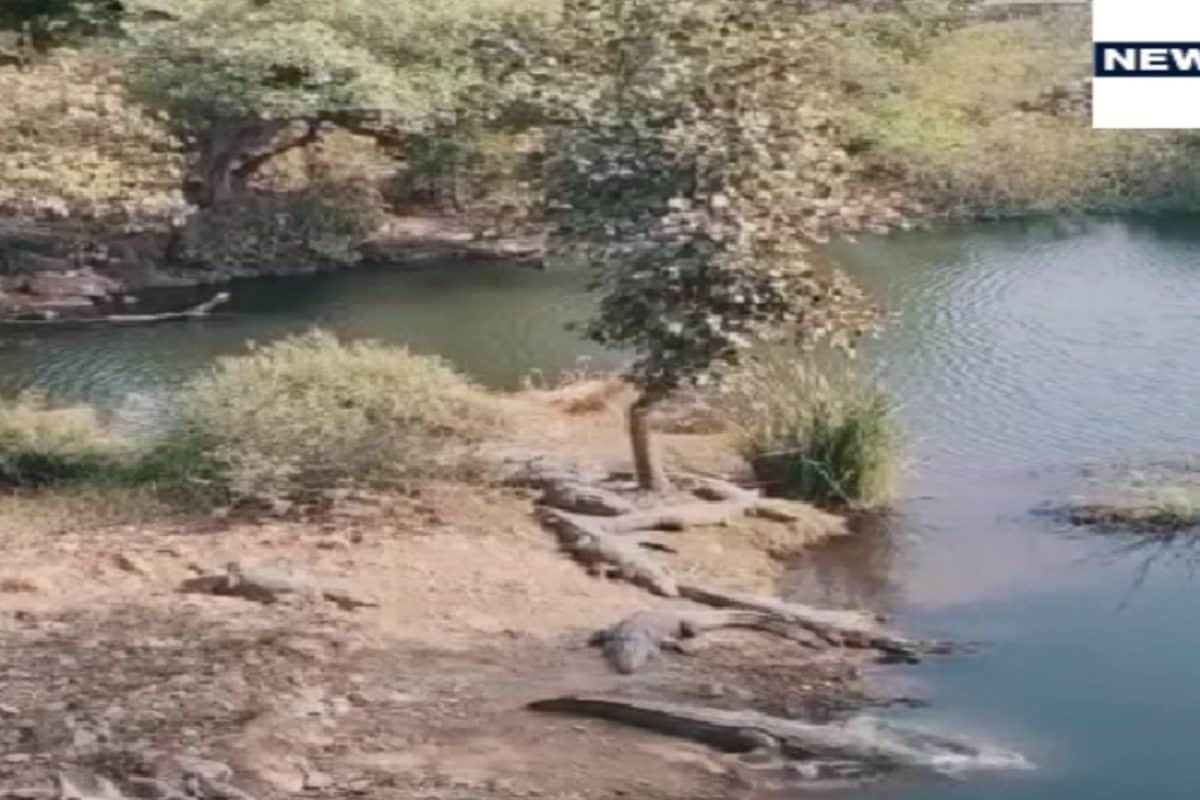
The arrival of the winter season has ushered in distinct ecological changes across the water bodies of Rajasthan, most notably bringing a surge in wildlife visibility at the renowned Siliserh Lake situated in Alwar. As temperatures begin to dip, the resident reptilian population has adapted its behavioral patterns, resulting in increased visibility for both locals and travelers frequenting the region. This seasonal transition marks a period where wildlife interactions become significantly more pronounced around major water reservoirs.
Siliserh Lake, historically recognized as a crucial water conservation reservoir and a premier regional attraction in Alwar, serves as a natural habitat for a thriving population of marsh crocodiles. Over the decades, the ecosystem of the lake has nurtured these apex predators, establishing designated observation zones such as the dedicated Crocodile Point. This ecological niche provides researchers, wildlife enthusiasts, and conservationists with a reliable environment to observe the natural behaviors of these creatures within their native aquatic and terrestrial surroundings.
In the latest development underscoring the rich biodiversity of Alwar, observers at the site documented an exceptional gathering of wildlife along the banks. A collective ranging between ten to fifteen crocodiles, comprising both smaller and larger specimens, emerged simultaneously from the depths of Siliserh Lake to engage in basking behavior. This biological necessity allows ectothermic animals to regulate their internal body temperatures effectively following the onset of cooler atmospheric conditions associated with winter.
The unexpected yet magnificent display quickly became the focal point for all visitors present at the location. Tourists who had gathered to appreciate the scenic landscapes of Alwar found themselves treated to a rare spectacle as the group of ten to fifteen crocodiles occupied the shoreline in unison. The sheer scale of the gathering and the proximity of the wildlife to viewing areas generated considerable excitement, transforming an ordinary sightseeing excursion into an unforgettable wildlife encounter.
Beyond the immediate recreational thrill for visitors, the heightened visibility of wildlife at Siliserh Lake carries broader implications for the regional economy and tourism sector of Alwar. Natural attractions that showcase indigenous fauna play a pivotal role in drawing travelers from neighboring districts and states, thereby bolstering local commercial establishments, hospitality providers, and regional tourism infrastructure. Such phenomena reinforce the importance of promoting sustainable wildlife tourism that balances public enjoyment with ecological preservation.
Local authorities, district forest officials, and site management personnel maintain continuous oversight of the Crocodile Point area at Siliserh Lake to ensure the safety of both the visiting public and the resident wildlife. Given the inherent risks associated with wild apex predators, designated observation barriers and informational signage are utilized to manage visitor proximity and prevent any potentially hazardous interactions. Ongoing administrative monitoring ensures that tourism activities do not disrupt the natural habitat or behavioral patterns of the resident crocodile population.
Looking ahead, as winter deepens across Alwar, wildlife experts anticipate that similar basking congregations will continue to occur frequently at Siliserh Lake, subject to weather conditions. Tour operators and district tourism boards plan to leverage these seasonal wildlife viewing opportunities to enhance educational outreach regarding local conservation efforts. Visitors are consistently reminded to adhere strictly to safety guidelines and maintain a respectful distance from the water's edge while enjoying the unique natural heritage of the region.
