
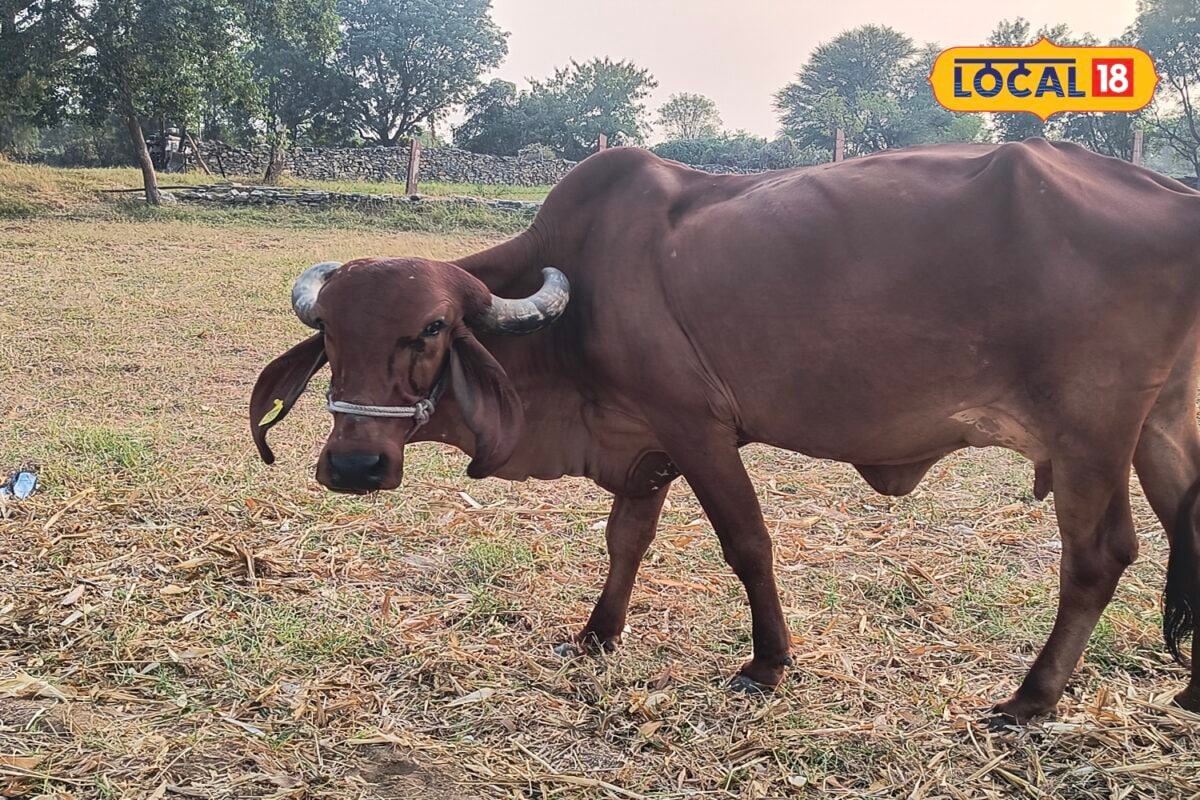
As winter sets in across the region, livestock keepers and dairy farmers are confronted with the urgent necessity to modify the dietary regimens of their animals. The onset of low temperatures increases the metabolic energy required by cattle and buffaloes to maintain their core body temperature. Consequently, relying on standard summer feeding practices is no longer sufficient to sustain optimal health or prevent a decline in daily milk production. Veterinary experts and agricultural extensions underscore that winter animal care demands a proactive approach centered entirely on nutritional adaptation and robust shelter management.
Historically, traditional farming practices in rural communities have recognized the seasonal vulnerability of livestock during the coldest months of the year. In past decades, traditional wisdom dictated simple shifts in fodder, yet modern agricultural science has refined these methodologies into precise dietary science. Understanding how a drop in ambient temperature impacts feed conversion efficiency allows farmers to prevent severe weight loss and metabolic disorders in their herds, thereby preserving the economic viability of rural households that depend heavily on dairy farming.
At the ground level, the logistical stakes for local farmers are substantial, as winter weather directly influences operational costs and output revenues. Maintaining livestock body heat requires increased caloric intake, translating to higher demand for concentrated feed and energy-rich rations. Farmers must carefully calculate the proportion of nutrients to avoid both nutritional deficiencies and digestive complications. The economic livelihood of numerous agrarian families relies entirely on maintaining consistent milk yields throughout the winter season, making precise feed management a critical daily priority.
Local dairy farmers and community leaders express ongoing concern regarding the fluctuating availability and rising costs of quality fodder during peak winter months. Experienced breeders emphasize that neglecting the inclusion of mineral supplements and adequate roughage can severely compromise an animal's immune system, making them susceptible to seasonal ailments. Stakeholders frequently consult local veterinary advisors to fine-tune daily rations, ensuring that every animal receives the requisite balance of nutrients necessary to withstand harsh weather conditions without compromising overall vitality.
The regional impact of proper winter livestock care extends deeply into the local economy, particularly within agricultural and semi-urban communities where dairy is a primary economic driver. A well-managed dairy herd ensures a steady supply of milk to local markets, stabilizing prices and supporting cooperative societies. Conversely, widespread nutritional neglect during winter leads to diminished milk output, creating ripple effects of financial strain for farming families and reducing the overall efficiency of the regional agricultural sector.
To address these seasonal challenges, regional animal husbandry departments and extension agencies actively disseminate guidelines focusing on comprehensive winter management. These administrative measures include organizing awareness camps, distributing advisory pamphlets on balanced feeding, and providing veterinary health check-ups at the village level. Officials continuously urge farmers to adopt scientific feeding schedules, protect shelters from cold drafts, and ensure constant access to potable water to safeguard livestock health.
Looking ahead, the emphasis on proactive winter animal care remains vital for the long-term sustainability of the regional dairy industry. As weather patterns continue to present seasonal extremes, agricultural authorities and farming communities must collaborate closely to implement resilient feeding and management practices. Through sustained adherence to balanced nutritional guidelines and administrative support, local livestock keepers can successfully navigate winter conditions and secure their economic futures.
