
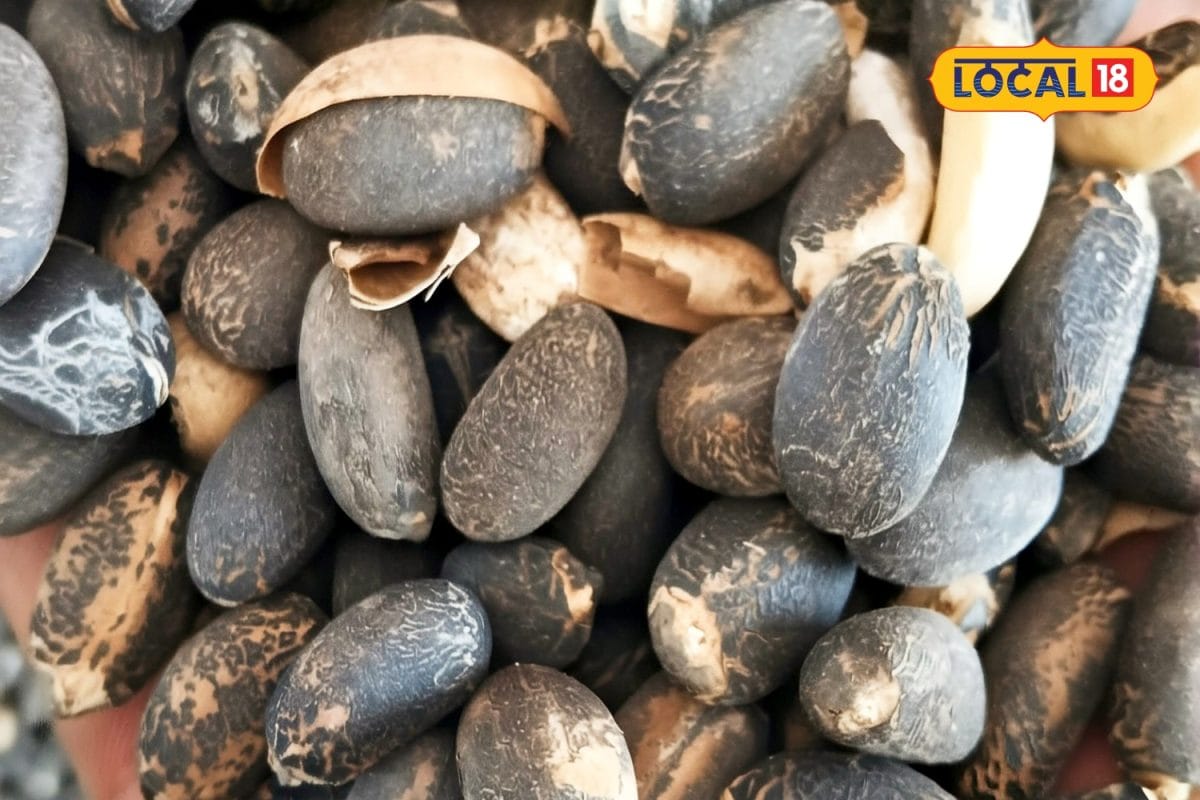
In the picturesque yet ecologically diverse terrains of Sirohi, specifically within the Mount Abu Wildlife Sanctuary and the broader Aravalli region, the indigenous Ratanjot medicinal plant has once again drawn the attention of health experts and botanists. Renowned for its rich reservoir of therapeutic properties, this botanical specimen holds a unique position in traditional indigenous medicine and modern ecological studies alike. However, alongside its recognized healing applications, local authorities and medical professionals have highlighted critical safety hazards associated with specific parts of the plant, urging residents and visitors to exercise extreme caution during their interactions with local flora.
Historically, indigenous communities and traditional practitioners across the Aravalli belt have utilized various wild flora for therapeutic remedies, passing down generational knowledge regarding herbal treatments. The Ratanjot plant, scientifically integrated into local healing practices, has long been valued for its distinct root system, which yields a deep red pigment. This natural pigment has traditionally formed the basis of numerous herbal formulations aimed at addressing various dermatological conditions and promoting robust hair health, cementing its status as an invaluable component of regional herbal lore.
Delving into the specifics of its utility, retired District Ayurveda Officer Dr. Damodar Prasad Chaturvedi elaborates on the dual nature of the Ratanjot plant. According to expert botanical and medical evaluations, the primary medicinal value resides within the plant's root structure. The characteristic red extract derived from the root, when appropriately prepared and infused with coconut oil, serves as an effective topical remedy. Regular application of this specialized mixture has been traditionally noted to assist in curbing excessive hair fall while simultaneously contributing to skin purification and clarity.
Beyond dermatological applications, traditional practitioners also reference the utility of the plant in mitigating certain systemic discomforts, such as joint pains and intermittent fevers. Despite these extensive therapeutic advantages, the plant's biological profile presents significant risks that cannot be overlooked by the general public. The most pressing concern centers around the seeds produced by the Ratanjot plant, which possess a deceptively innocuous appearance that has frequently led to accidental ingestion by unsuspecting individuals roaming the wildlife sanctuary and surrounding forest areas.
A critical aspect emphasized by medical authorities is the distinct similarity in appearance between the toxic Ratanjot seeds and edible nuts like almonds. Because of this visual resemblance, individuals navigating the Aravalli terrain may mistakenly consume the seeds, assuming them to be a harmless natural snack. Dr. Damodar Prasad Chaturvedi explicitly cautions that consuming these seeds triggers immediate and severe adverse gastrointestinal reactions, prominently including acute episodes of vomiting and persistent diarrhea, necessitating immediate medical vigilance and public awareness campaigns.
Furthermore, the broader economic and industrial relevance of the Ratanjot plant extends far beyond traditional medicine. In contemporary agricultural and industrial sectors, the oil extracted from Ratanjot seeds serves as a vital raw material for the production of biodiesel. This dual identity—acting simultaneously as a toxic ingestion hazard for humans and a valuable precursor for sustainable energy generation—underscores the complex ecological role that the plant plays within the fragile ecosystems of the Mount Abu Wildlife Sanctuary.
As public health officials and administrative bodies look toward future educational initiatives, continuous monitoring and informational outreach remain paramount. Ensuring that local populations, tourists, and foragers are adequately informed about the distinct separation between the medicinal root applications and the poisonous nature of the seeds will prevent accidental intoxications. Through sustained public advisories and expert guidance from medical professionals like Dr. Damodar Prasad Chaturvedi, the community can safely harness the ecological and therapeutic benefits of Ratanjot while averting avoidable health emergencies.
