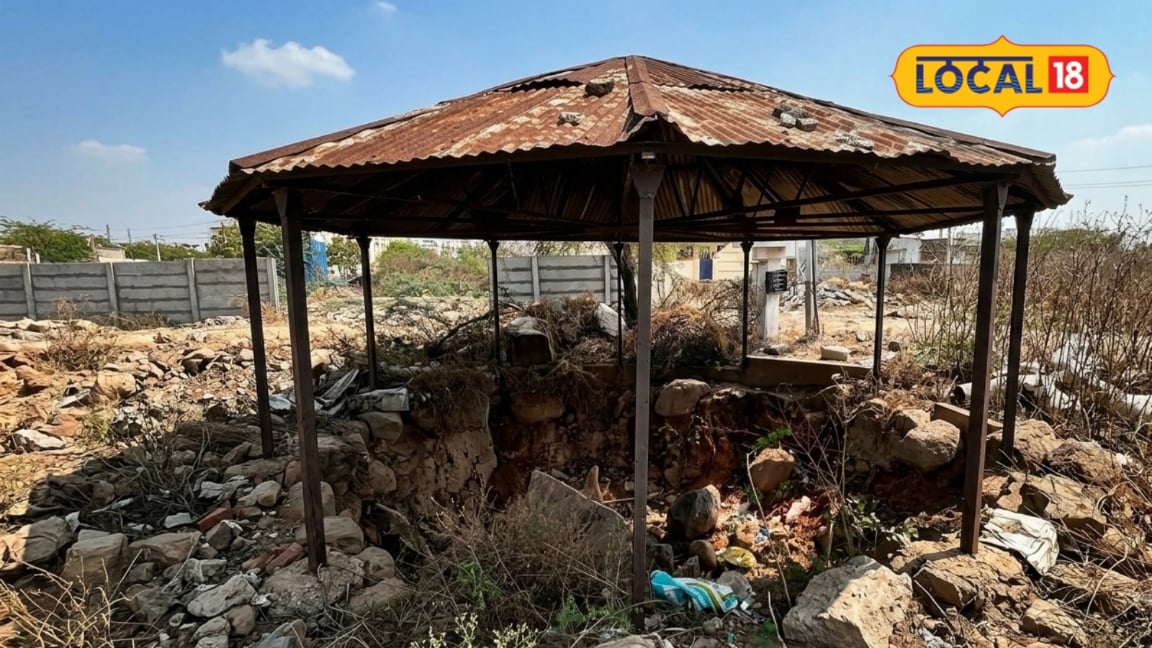
A priceless chapter of ancient human history is currently disappearing beneath layers of modern plastic waste and construction debris in Hyderabad. The historical site in Hasmatpet, which dates back approximately 2500 to 3000 years, represents an irreplaceable megalithic heritage that demands urgent archaeological preservation and administrative safeguarding.
Historically, this region served as a prominent iron-age burial ground, holding vast cultural and anthropological significance for researchers and historians studying ancient civilizations in the southern part of the country. Past excavations at this designated site successfully unearthed numerous ancient human skeletons, earthenware pottery, and primitive iron implements that provided profound insights into prehistoric lifestyles.
Despite its monumental historical value, the ground reality at the site presents a deeply distressing picture of systemic apathy and civic neglect. The entire periphery of the 3000-year-old heritage site is now heavily encroached upon by accumulated domestic garbage, non-biodegradable plastic waste, and heavy building debris, transforming an archaeological treasure into an unofficial dumping yard.
Local heritage conservationists, historians, and concerned citizens have repeatedly expressed profound dismay over the continuous degradation of this ancient site. Stakeholders point out that the absence of boundary walls, warning signage, and active security personnel has left the open-air archaeological zone completely vulnerable to further destruction and urban encroachment.
While metropolitan authorities frequently announce heritage tourism and conservation policies, the ground implementation regarding lesser-known prehistoric sites like Hasmatpet remains alarmingly sluggish. Communities residing near the archaeological zone emphasize that local development must not come at the cost of erasing ancient historical identities that belong to the collective heritage of the nation.
Administrative oversight and statutory intervention are urgently required from municipal bodies and the state archaeology department to initiate comprehensive cleanup drives and secure the perimeter. Without an immediate rescue plan, the continuous dumping of debris will irreversibly obliterate the remaining physical evidence of an era dating back nearly three millennia.
As public pressure mounts on civic authorities, the fundamental question remains as to when the administration will take decisive, long-term steps to protect this 3000-year-old historical site. Ensuring proper restoration and continuous monitoring will determine whether future generations will inherit this remarkable archaeological legacy or lose it forever to urban apathy.