
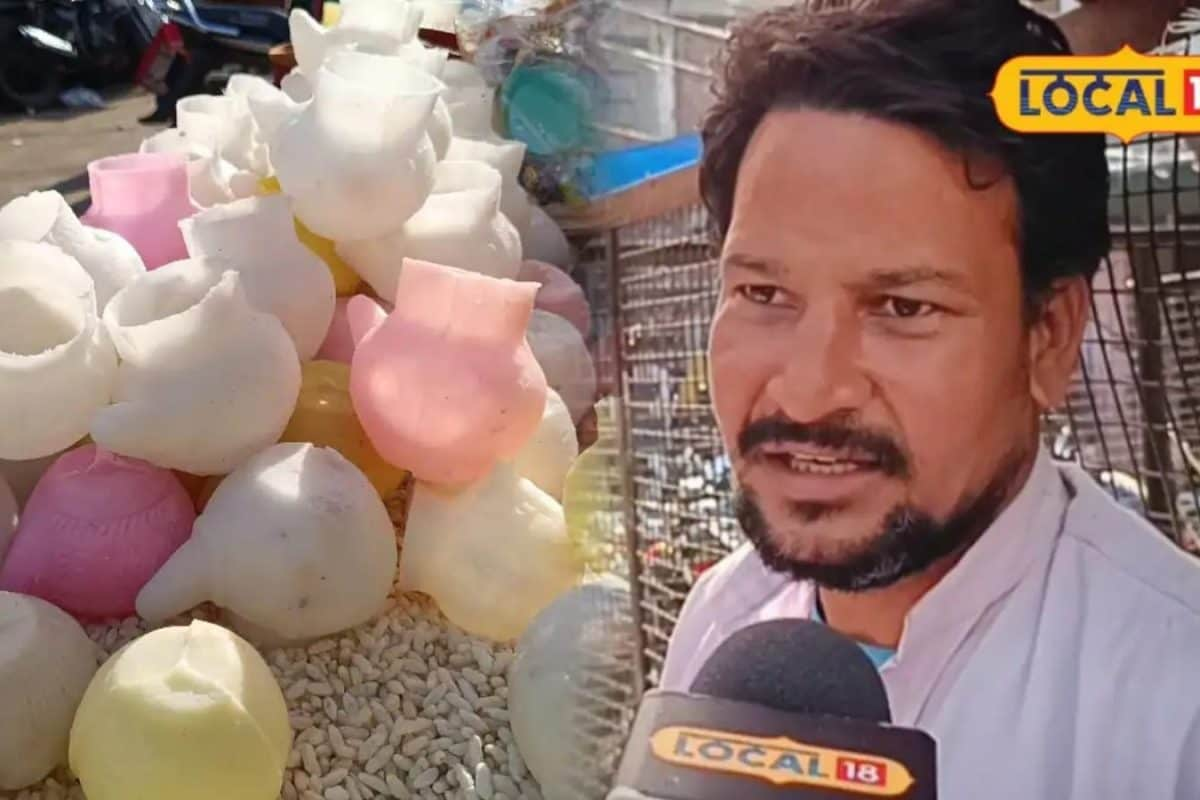
In the historic region of Karauli, the sacred festival of Karwa Chauth witnesses a deeply cherished and unique cultural tradition that distinguishes the local celebrations from the rest of the country. Instead of utilizing traditional earthen vessels for their ritualistic offerings and prayers, married women across the district place their primary focus on specially crafted sweet karvas made entirely of refined sugar. This distinctive practice has sustained itself through decades, merging profound religious devotion with an exceptional display of communal harmony and shared heritage.
The historical roots of this tradition stretch back multiple generations, wherein local craftsmanship became intrinsically intertwined with a major Hindu festival. Rather than relying on commercialized or mass-produced festive goods, the community depends on generational expertise passed down within artisan families. This seamless integration of cultural practices reflects the deep-rooted social fabric of Karauli, where festival preparations become a collective responsibility transcending traditional community boundaries.
Examining the ground realities of production reveals a dedicated network of local artisans who commit themselves to this meticulous craft well in advance of the festive date. According to local artisan Jabbar Khan, approximately 8 to 10 families in the region actively engage in the intricate manufacturing process each year prior to the arrival of Karwa Chauth. The preparation demands precision and specialized skill, beginning with the careful boiling of sugar syrup to achieve the exact consistency required for molding.
Once the precise sugar syrup is achieved, it is poured into specialized earthen molds that give the karvas their characteristic shape and structural integrity. These sweet offerings are manufactured in multiple distinct sizes, catering to the diverse preferences and requirements of the households observing the fast. These variants are categorized into small, medium, and large dimensions, ensuring that every participating family can acquire the specific size they prefer for their traditional rituals.
Economic realities and inflation have inevitably touched this traditional trade, affecting the pricing structure of these sugar karvas over recent years. While these festive items were previously sold at modest rates ranging between 10 to 20 rupees, market adjustments and rising production costs have pushed prices higher. During the current season, the cost of these small, medium, and large sugar karvas has reached between 20 to 40 rupees, reflecting broader financial shifts while maintaining steady demand among local buyers.
Beyond their aesthetic and ceremonial appeal, these sugar karvas hold functional significance within the religious observances of the festival itself. Once the rigorous daylong rituals and evening prayers are successfully concluded by the married women, these karvas serve a dual purpose as they can be consumed directly as sanctified prasad. This practical culinary aspect adds an extra layer of joy and familial sharing to the conclusion of the sacred fast, making the items both a ritualistic symbol and a sweet delicacy.
Ultimately, this enduring tradition in Karauli transcends mere commercial transactions or festive preparations, standing firmly as a beacon of enduring social harmony and brotherhood. The collaborative effort required to bring these sugar karvas from local artisan workshops into family households demonstrates the unbreakable cultural bonds shared by different communities in the region. As the families led by artisans like Jabbar Khan continue this legacy year after year, the tradition remains a shining example of unity in diversity for the entire district.
