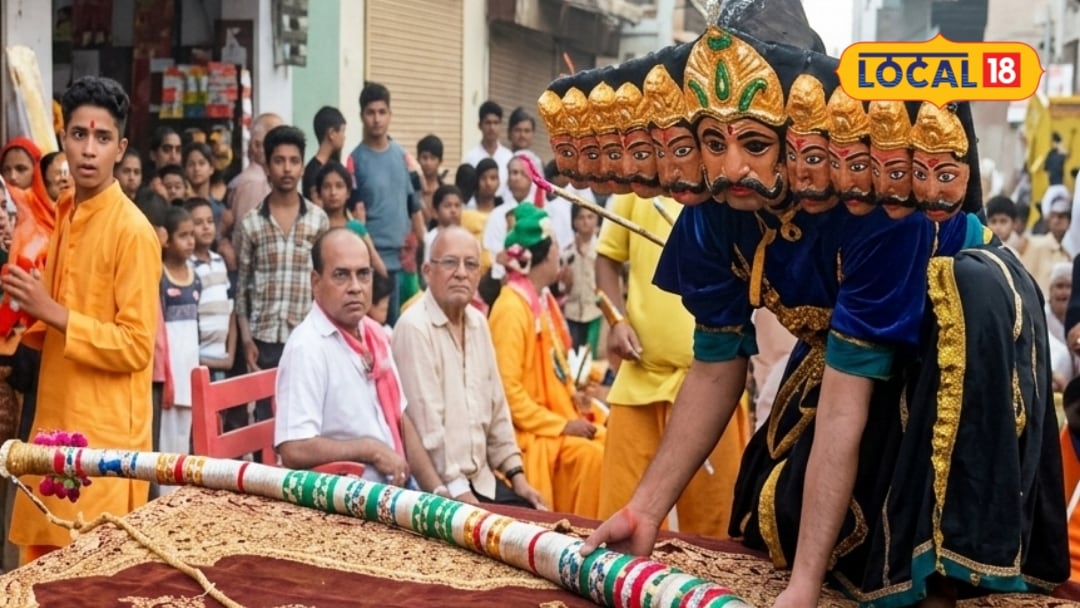
In the historic town of Bisau located within the Jhunjhunu district of Rajasthan, preparations are finalized for the commencement of the renowned 200-year-old silent Ramleela starting on October 11. This distinct cultural event stands apart from conventional theatrical productions as artists refrain from speaking any dialogues, instead portraying the entire epic of Ramayana solely through elaborate masks, precise gestures, and expressive body language.
Tracing back its deep-rooted historical origins, this unique tradition has evolved over centuries within the cultural fabric of Rajasthan. According to historical accounts and local heritage records, the foundational practices of this silent enactment were formally established 170 years ago by Jamna Sadhvi, whose vision was to create a deeply spiritual and universally accessible visual medium of storytelling that transcends ordinary verbal limitations.
The logistical and ritualistic scale of this grand event involves extensive community preparation and adherence to centuries-old customs. A remarkable statistical and cultural aspect of this celebration is that the ceremonial burning of the effigy of Ravana does not take place on the conventional day of Dussehra, but is instead scheduled strictly on Chaturdashi, following the traditional calendar observed by the local organizers since its inception.
Beyond its theatrical brilliance, the Ramleela serves as a powerful pillar of social integration and unity within the region. Local community organizers and participants emphasize that the event witnesses active and enthusiastic participation from the Muslim community, thereby establishing a magnificent and living example of communal harmony and brotherhood that strengthens the social fabric of Bisau.
The cultural resonance of this event extends far beyond the immediate municipal boundaries of Bisau, casting a positive influence across the entire Jhunjhunu region and neighboring districts in Rajasthan. Observers, cultural researchers, and heritage enthusiasts regularly converge on the location to witness a theatrical form that has successfully preserved its authenticity across generations without modern alterations.
Recognizing its exceptional cultural value and historical significance on a global scale, the event has earned prestigious official recognition, being proudly registered in the Golden Book of World Records. This acknowledgment ensures that the unique artistic heritage of the town receives international visibility while maintaining strict adherence to the traditional rules established by its founders.
As the commencement date of October 11 approaches, public anticipation and local preparations reach their peak. The organizing committees, local volunteers, and participating artists are fully committed to executing the exhaustive schedule of events, ensuring that the legacy initiated by Jamna Sadhvi continues to inspire and captivate audiences for many years to come.