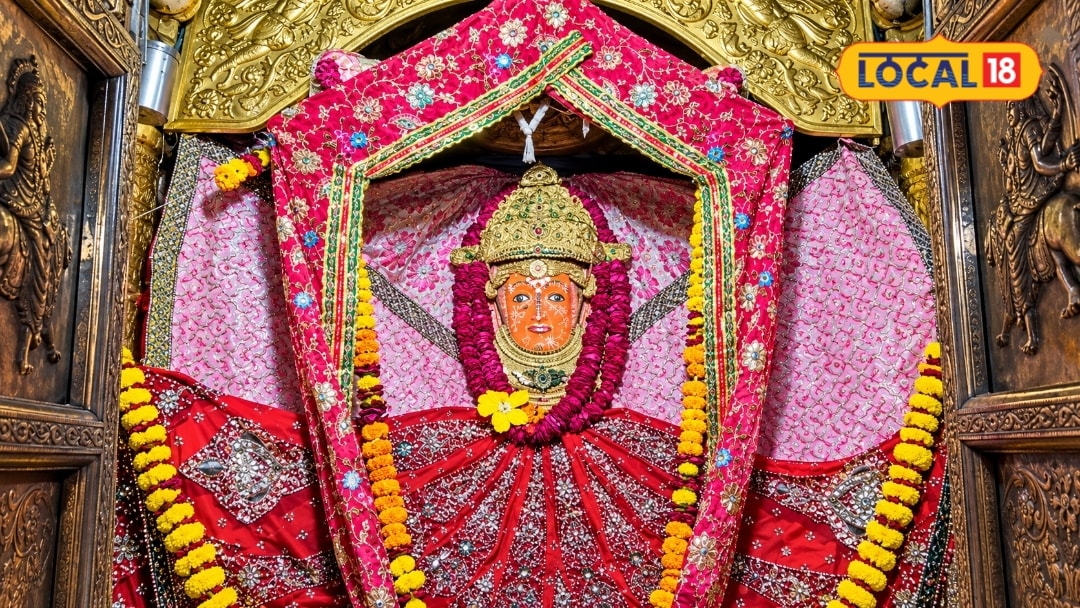
The revered Shaktipeeth Jeen Mata Mela in Rajasthan's Sikar district is all set to commence on October 11, coinciding with the auspicious occasion of Sharadiya Navratri. This grand annual festival holds immense religious significance, drawing lakhs of devotees from across the entire country to offer their sincere prayers and seek divine blessings at the holy shrine. The local administration and organizing committees have finalized comprehensive security and infrastructural arrangements to manage the massive influx of pilgrims expected over the course of the celebrations.
Steeped in rich mythological lore and historical significance, the temple's legacy dates back centuries and is intrinsically linked to a legendary divine miracle involving the Mughal emperor Aurangzeb. According to historical accounts and oral traditions, Aurangzeb's imperial army once attempted to desecrate the sacred shrine, but they were miraculously thwarted by a fierce and unrelenting swarm of bees. Overwhelmed by this inexplicable divine intervention, the emperor offered his unconditional apology and initiated the continuous burning of the Akhand Jyot, a sacred flame that has been maintained at the temple ever since.
As the countdown to October 11 continues, the ground reality around Sikar district reflects intense spiritual fervor, bustling marketplaces, and meticulous logistical planning to handle the lakhs of devotees arriving daily. The local economy experiences a significant seasonal boost, with traders, artisans, and transport operators preparing extensively for the massive surge in commercial activity. Security forces have deployed comprehensive monitoring protocols across the fairgrounds to ensure the absolute safety and orderly movement of pilgrims participating in the festivities.
Stakeholders, local temple authorities, and community leaders have expressed immense enthusiasm regarding the smooth execution of this year's preparations. Merchants and local business representatives note that the Jeen Mata Mela serves as a vital economic engine for the region, fostering communal harmony and cultural exchange. Pilgrims and visitor delegations have commended the proactive measures taken by administrative bodies to maintain sanitation, crowd control, and healthcare access throughout the duration of the event.
The broader regional impact of the Jeen Mata Mela extends well beyond Sikar, deeply influencing neighboring areas including the Kotputli-Behror district. Transportation networks linking Kotputli to Sikar experience heightened passenger traffic, prompting local transport authorities to optimize routes and schedule additional transit services. The cultural resonance of the festival strengthens traditional bonds across communities in Rajasthan, uniting diverse populations in shared devotion and festive celebration.
Administrative oversight for the Sikar fair encompasses strict coordination between district revenue officials, police departments, and municipal boards. Special control rooms have been established to monitor crowd density, manage traffic flow, and respond rapidly to any emerging emergencies. Law enforcement personnel have implemented robust patrolling routines, while health departments have deployed mobile medical units to provide immediate assistance to visitors navigating the expansive mela premises.
Looking forward, the upcoming days leading to October 11 and the subsequent duration of Sharadiya Navratri promise a deeply spiritual and orderly pilgrimage experience. Authorities anticipate that the meticulous planning executed this year will successfully accommodate the lakhs of participating devotees while preserving the sanctity and heritage of the sacred shrine. The enduring legacy of the Batisi Sangh, the miraculous history involving Aurangzeb, and the unwavering devotion of the public continue to cement the Jeen Mata Mela as a paramount cultural milestone in Rajasthan.