
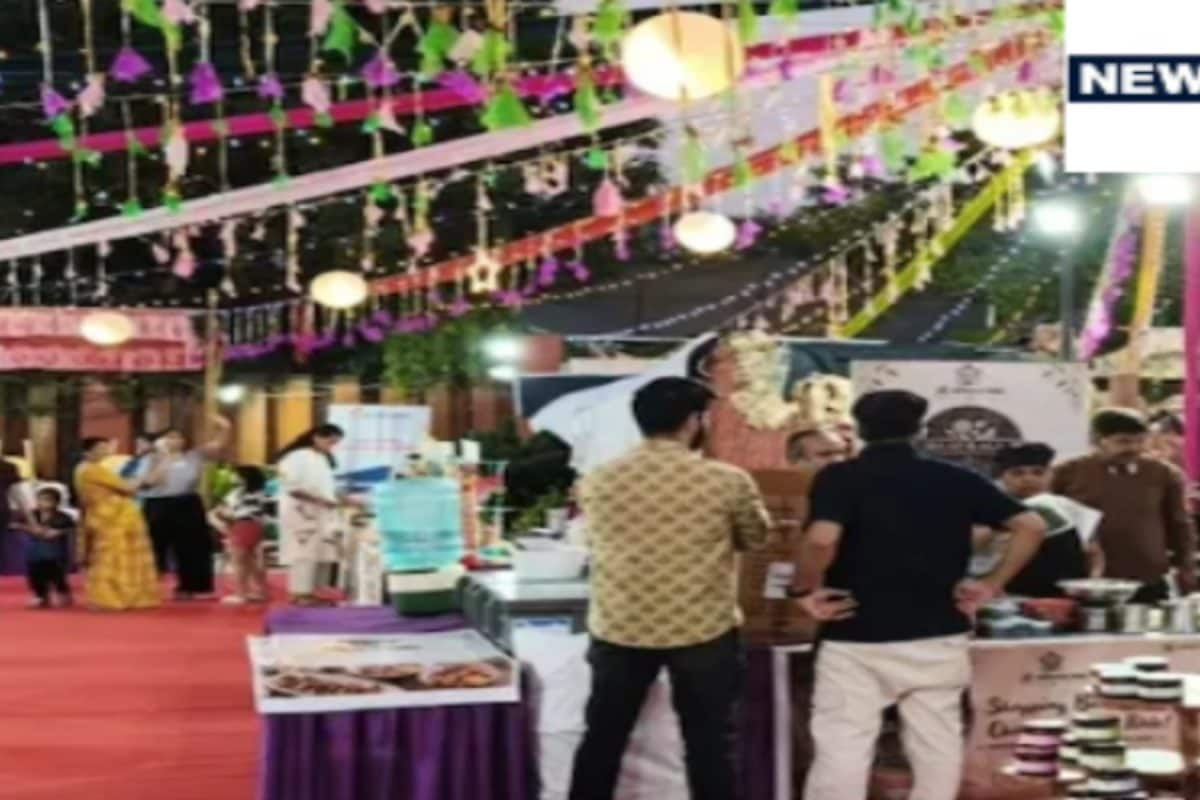
The historical Walled City of Jaipur has transformed into a vibrant panorama of lights, colors, and festive grandeur as preparations reach their peak for the auspicious festival of Diwali. Renowned for its rich cultural heritage and traditional markets, the historic precinct presents a magnificent spectacle with elaborate illuminations adorning every major thoroughfare, bazaar, and marketplace. Markets within the walled enclosure have been comprehensively stocked with an extensive array of festive commodities, establishing an atmosphere of traditional celebration and communal joy.
Historically, the markets within the Walled City of Jaipur have served as the commercial and cultural nucleus for the entire region during the festive season. Generations of local artisans, merchants, and traders rely heavily on this critical period to sustain their businesses and generate substantial economic returns. The deep-rooted tradition of visiting these heritage bazaars to procure festival essentials has been an integral part of the local social fabric for decades, drawing crowds from all corners to participate in the annual commercial celebration of lights.
Despite the breathtaking decorations and the abundant availability of commodities, the ground reality reflects a distinct economic hesitation among consumers. Commercial establishments offering traditional sweets, garments, firecrackers, and diverse decorative items report a notable absence of active retail transactions. While the visual appeal of the markets remains exceptionally high, the actual volume of trade fails to match the festive fervor. Retailers observe that the financial transactions taking place on the ground are disproportionately low compared to the dense crowds moving through the lanes.
A pervasive trend observed across the commercial centers indicates that citizens are exercising extreme caution regarding their discretionary expenditures. Numerous visitors frequenting the historic bazaars are limiting their interactions with merchants to inquiring about prevailing prices and evaluating product availability. Rather than completing purchases on the spot, consumers are delaying financial commitments, leaving traders concerned about the immediate profitability of the season. Stakeholders across various commercial sectors have voiced their anxieties regarding this unexpected lull in active market engagement.
The economic sluggishness observed within the central markets of Jaipur extends its psychological and commercial shadow over surrounding regional networks, including communities within Kotputli-Behror. Local businesses and regional traders who depend on the uninterrupted flow of wholesale and retail goods from the capital frequently gauge consumer sentiment based on these core metropolitan trends. The current hesitation among buyers serves as an indicator of broader economic cautiousness that resonates through interconnected local supply chains and community commerce.
Administrative bodies and local trade associations continue to monitor the market conditions closely, ensuring that public safety, traffic management, and commercial order are maintained amidst the festive rush. Municipal arrangements within the Walled City are regularly reviewed to facilitate smooth movement for citizens and visitors alike. Authorities and trade leaders maintain continuous dialogue to address any logistical challenges that might arise as the peak days of the festival draw nearer.
Looking ahead, the merchant community remains resilient and optimistic that the current phase of sluggishness is merely temporary. Traders anticipate a substantial surge in footfall and actual purchasing activity as the exact date of Diwali approaches closer. Past seasonal trends reinforce their belief that consumer demand will eventually translate into concrete retail sales, revitalizing the festive economy and bringing much-needed relief to local businesses across the historic precincts.
