
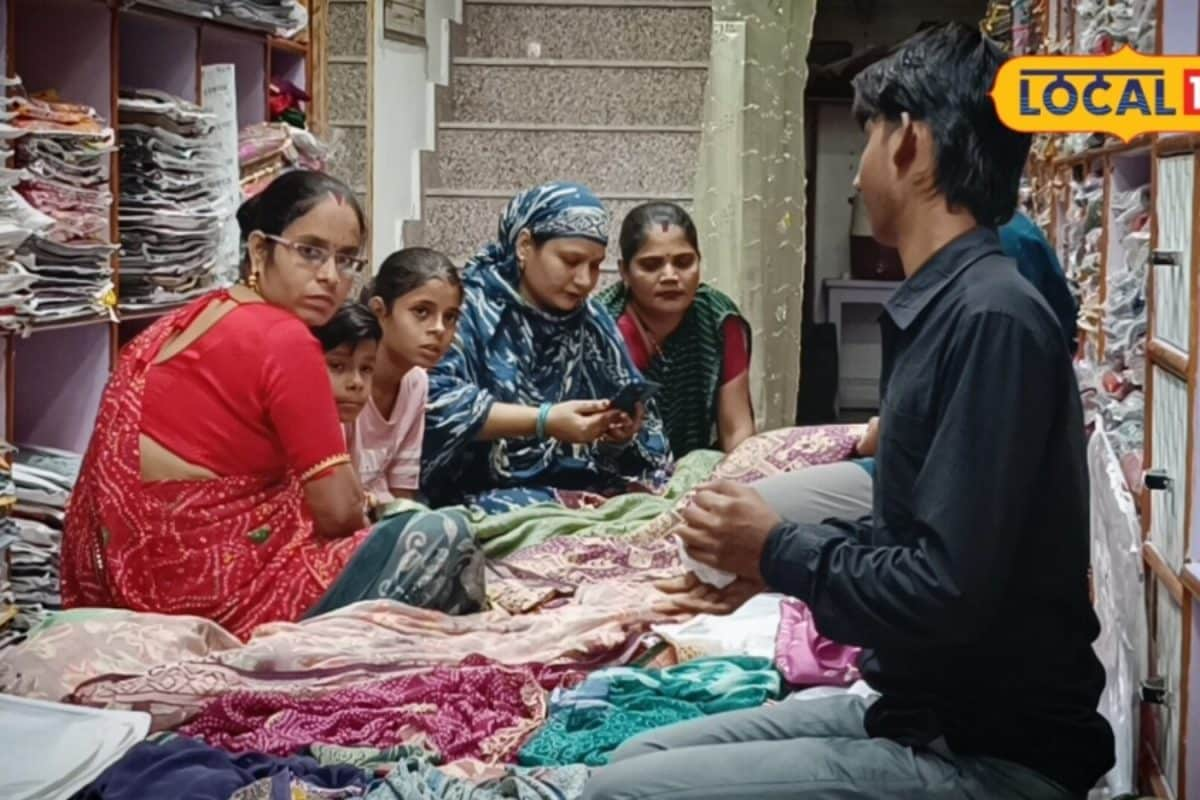
The festive shopping season for Diwali 2026 has officially commenced with vibrant commercial activities, bringing traditional and modern textile preferences to the forefront. According to market observations, women shoppers are prioritizing specific aesthetic patterns that seamlessly blend cultural heritage with contemporary fashion sensibilities. The commercial landscape in textile emporiums and local retail hubs reflects an extraordinary enthusiasm among consumers who are actively updating their festive wardrobes.
Textile markets have historically served as the economic barometer during major festivals, reflecting consumer confidence and shifting sartorial tastes over generations. The evolution of saree manufacturing for the 2026 festive season demonstrates a meticulous synthesis of age-old artisanal craftsmanship and modern machine-finished precision. Artisans and weavers have dedicated months to preparing specialized weaves, ensuring that the rich heritage of Indian textiles remains vibrant and accessible to modern consumers.
Market assessments indicate that consumer spending on apparel remains robust, with retail counters witnessing sustained footfall throughout the week. While exact financial turnover figures fluctuate by region, local merchants report a substantial increase in overall daily sales compared to non-festive periods. Customers are evaluating multiple fabric qualities, thread counts, and embellishment densities before finalizing their festival purchases, indicating a highly discerning consumer base.
Local textile traders, boutique owners, and frequent shoppers have shared enthusiastic perspectives regarding this year's market offerings and pricing structures. Merchants note that customer inquiries predominantly center around durability, comfort, and visual appeal, leading to high sales volumes across specific designated categories. Buyers express satisfaction with the diverse range of styles available, noting that current retail selections adequately cater to varied household budgets and stylistic preferences.
The current festive momentum significantly influences regional commercial activity, driving economic engagement across wholesale supply chains and local retail networks. Small-scale vendors, independent tailors, and garment distributors all benefit from the seasonal uptick in consumer expenditure. This localized economic stimulation reinforces community livelihood and sustains traditional textile trades that depend heavily on peak festive seasons for annual profitability.
Trade associations and local market committees have implemented measures to ensure smooth commercial operations, managing crowd flows and assisting consumers during peak shopping hours. Retailers are adhering to standard market practices, offering transparent pricing structures and ensuring adequate inventory across all popular categories to meet the soaring demand. These logistical preparations help maintain order and facilitate positive shopping experiences for families visiting the markets.
Looking ahead, market analysts anticipate that the strong consumer demand observed during this Diwali season will sustain retail momentum well into the upcoming wedding season of late 2026. Merchants are already planning subsequent inventory replenishment strategies to accommodate evolving stylistic trends and continuous consumer interest. The enduring popularity of these five distinct saree patterns underscores a permanent appreciation for classic craftsmanship within modern Indian fashion.
