
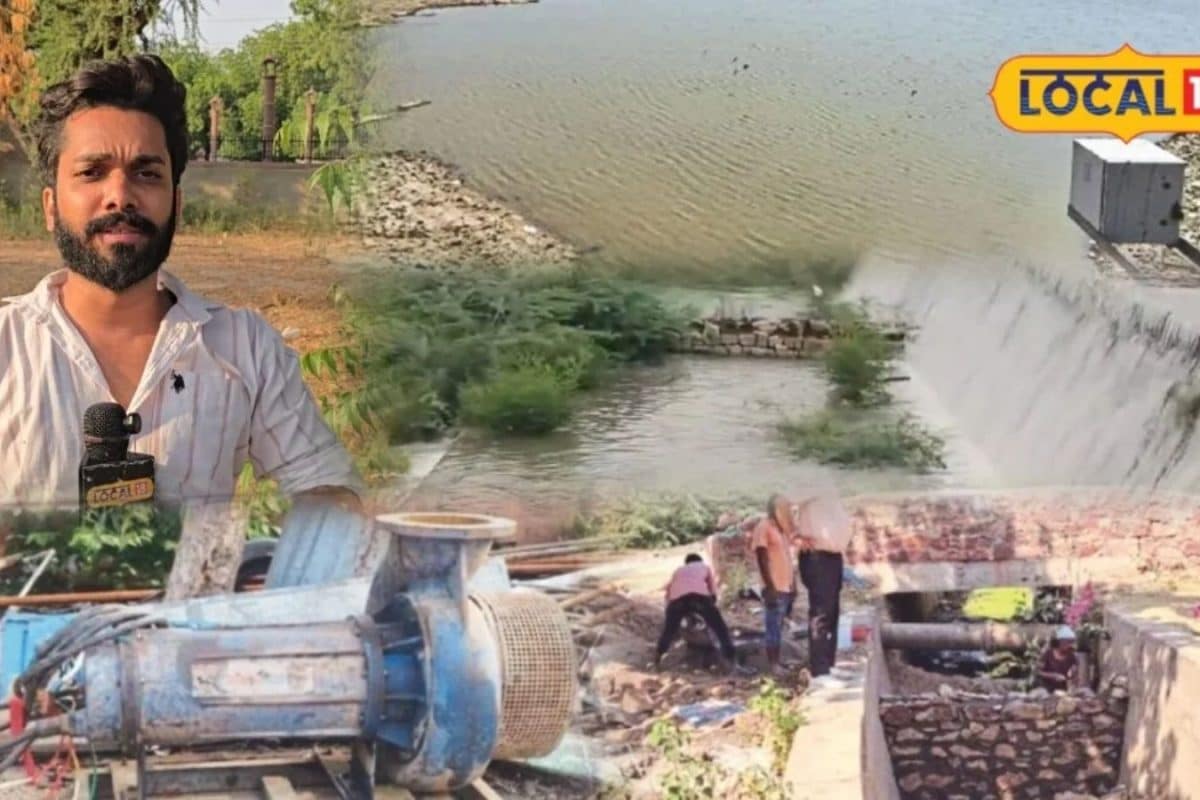
After an agonizing and prolonged hiatus spanning nearly 17 years, fresh hope has finally emerged for the parched interior localities of Pali. Preparations for supplying water from the historic, 115-year-old Hemawas Dam have reached their absolute final stages, marking a monumental milestone for the region. This decisive engineering intervention aims to pump precious water directly into the core distribution networks of Pali city to combat worsening water scarcity.
Constructed over a century ago, the 115-year-old Hemawas Dam holds a revered place in the civil engineering history of the region. For generations, it served as the primary and most reliable lifeline for the local populace. However, due to shifting hydrological patterns, declining catchment inflows, and infrastructural limitations, the dam's ability to supply the inner city remained crippled for an astonishing 17 years, leaving residents dependent on distant and severely strained alternative sources.
The current operational strategy relies on utilizing a substantial reserve of 101 MCFT of water safely stored within the Hemawas Dam. To extract and transport this vital resource over long engineering distances, highly specialized heavy machinery has been mobilized. Specifically, an 80 HP high-capacity pump, specially procured from Sanchore, has been deployed at the site to ensure seamless pressure and continuous flow.
Technical teams and municipal engineers are meticulously coordinating the integration of this powerful 80 HP pumping system with the pre-existing Jawai pipeline network. This crucial linkage bridges the infrastructure gap between the remote reservoir and the urban distribution grid, creating a direct conduit to the main city headworks. Every technical parameter is being stringently monitored to prevent leakage and maximize discharge efficiency during the entire operation.
The revival of water supply from the Hemawas Dam carries immense socio-economic significance for the broader regional community surrounding Pali. Decades of water scarcity have heavily impacted local livelihoods, commercial establishments, and domestic households alike. By injecting a reliable volume of fresh water directly into the urban network, the local economy and community standard of living stand to receive an immediate and much-needed stabilization boost.
District administration officials and municipal bodies have assumed direct oversight of the project, ensuring that every operational bottleneck is swiftly addressed. Senior engineers and technical experts remain stationed at the site to supervise the calibration of the pumping machinery and pipeline synchronization. This high-level administrative monitoring guarantees transparency, accountability, and strict adherence to the project execution timeline.
Looking ahead, the successful execution of this intricate water supply initiative is projected to bridge the immediate gap for the next 20 to 25 days, providing much-needed respite during the peak of the summer crisis. While this 101 MCFT reserve offers temporary salvation, citizens and civic planners alike view this monumental step as proof of the enduring utility of the 115-year-old Hemawas Dam infrastructure when combined with modern technical interventions.
