
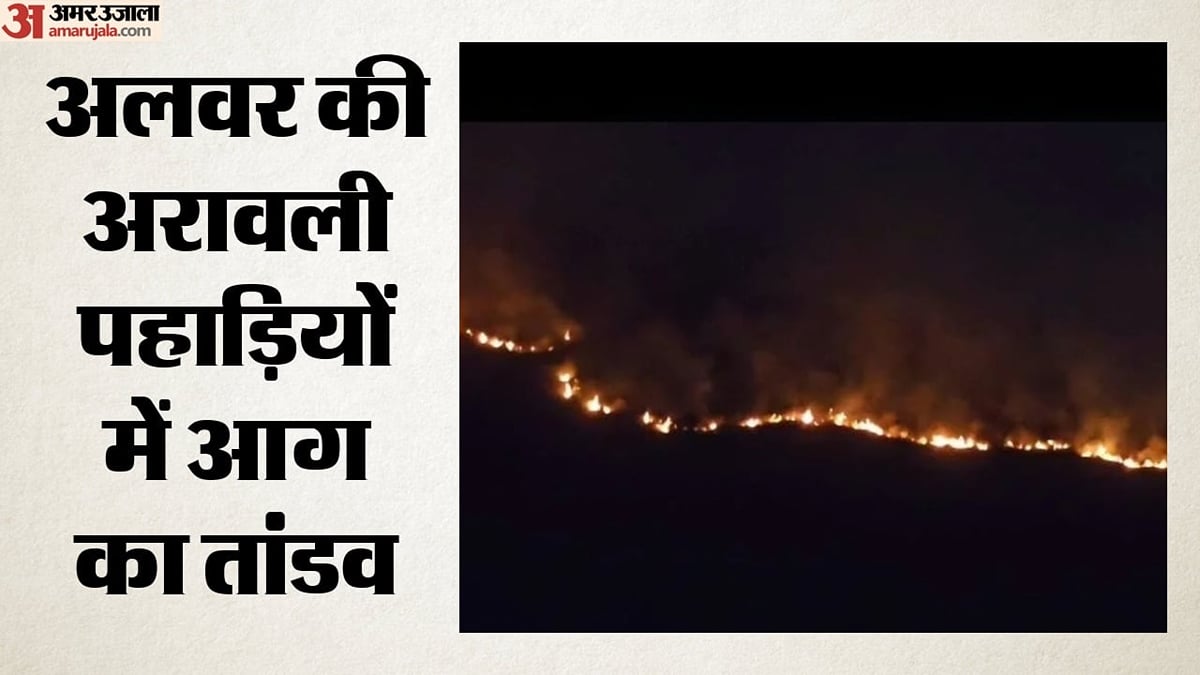
A massive and devastating wildfire erupted on Monday morning within the picturesque yet vulnerable Aravalli hills situated in the Ramgarh region of Alwar district. The fire, which initially started as localized smoke amidst thick dry shrubs, quickly escalated into a ferocious blaze fueled by dry vegetation and unfavorable weather conditions. Within hours, the leaping flames devoured vast swaths of natural foliage, transforming the rugged landscape into a zone of intense ecological destruction and immediate panic for residents inhabiting the peripheral areas.
The Aravalli mountain range holds immense ecological significance for the entire region, acting as a natural green barrier, a groundwater recharge zone, and a habitat for diverse flora and fauna. Historically, the summer and dry seasons witness heightened vulnerability to spontaneous combustion or human-induced sparks due to extreme temperatures and accumulation of dry debris. However, the sheer scale of Monday's outbreak caught local observation networks off guard, as the dry shrubs provided continuous fuel, accelerating the lateral spread across treacherous terrains and rocky inclines.
As the daylight began to fade on Monday, the wildfire crossed critical natural ridges and reached the vicinity of Goha hill by late evening, intensifying the threat to nearby human settlements and animal habitats. The logistical challenges of transporting heavy fire-fighting machinery up the steep, unpaved slopes of the Aravalli hills severely hampered initial response efforts. Fire tenders stationed at the base faced severe constraints in reaching the epicentre of the flames, relying heavily on localized tactical approaches and foot patrols by dedicated personnel.
In the face of escalating danger, a multi-agency mobilization was initiated as local villagers, administrative officials, forest department personnel, and specialized fire services joined forces on the ground. Despite their relentless efforts spanning several hours through the afternoon and early evening, the flames continued to surge uncontrollably across multiple fronts, prompting urgent consultations among district authorities to seek specialized intervention to prevent a larger catastrophe.
The regional impact of this environmental disaster extends well beyond the immediate vicinity of Ramgarh and Alwar, resonating deeply within neighboring administrative zones and communities deeply connected to the Aravalli ecosystem. Environmental experts and local representatives have consistently highlighted the cascading socioeconomic repercussions of such large-scale habitat loss, including the degradation of local grazing lands, depletion of subterranean water tables, and displacement of indigenous wildlife populations crucial for the regional ecological balance.
Recognizing the gravity of the situation and the limitations of conventional ground operations against the advancing fire line, the district administration activated emergency protocols late Monday night. To tackle the raging inferno effectively and safeguard human lives, a specialized team of the National Disaster Response Force (NDRF) was summoned to the site. The deployment of the NDRF marked a critical turning point in the midnight operations, bringing tactical equipment and professional disaster management strategies to bear on the inaccessible pockets of Goha hill.
As specialized rescue and mitigation teams continue their coordinated operations through the night and into the following dawn, public expectations remain focused on complete containment and subsequent damage assessment. The incident underscores the urgent need for enhanced early-warning infrastructure, preemptive clearance of dry undergrowth, and strengthened inter-agency preparedness across the Aravalli belt to mitigate future wildfire risks and protect these ancient hills from recurring ecological devastation.
