
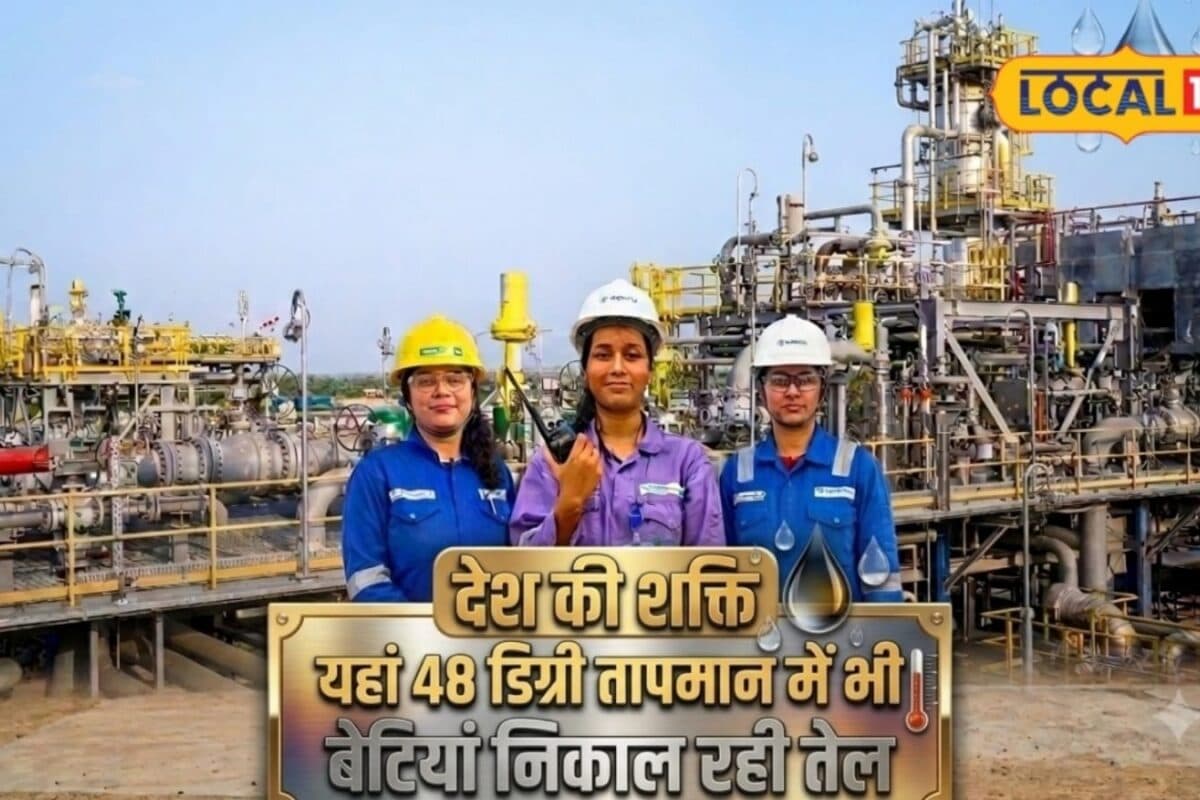
On the momentous occasion of Engineers' Day, the desert landscape of Barmer is witnessing an unprecedented socioeconomic and industrial transformation. Once historically stigmatized by acute water scarcity and restrictive patriarchal norms regarding female education and employment, the region is now penning a triumphant new chapter of energy production and female empowerment. At the heart of this industrial revolution are more than 130 women engineers who are defying traditional gender roles and extreme geographical adversity to contribute directly to the nation's energy security.
Historically, the harsh Thar Desert presented formidable hurdles for any developmental initiative, let alone heavy industrial operations. For decades, Barmer struggled with infrastructural deficiencies, scarce water resources, and severe socio-cultural limitations that disproportionately affected women and girls. The discovery of rich hydrocarbon reserves in the region fundamentally altered its economic trajectory, transforming a marginalized desert district into one of India’s most crucial economic hubs. This industrial boom has progressively opened up high-skilled engineering avenues that were previously considered exclusively male domains.
Operating across critical production zones such as the Mangala, Bhagyam, and Rageshwari oil fields, these women engineers are deployed in deeply rigorous and hazardous technical domains. Facing blistering summer temperatures soaring up to 48 degrees Celsius, they handle core industrial responsibilities in petrochemical processing, electrical systems, mechanical engineering, production optimization, drilling operations, and plant maintenance. The sheer scale of their deployment—surpassing 130 professionals—underscores a profound shift in industrial human resource paradigms within the Indian petroleum sector.
Prominent technical leaders such as Surbhi Purohit, Richa Sinha, and Suruchi Sharma have emerged as inspiring role models on the frontline of this energy frontier. Working alongside their male counterparts with equal professional rigor, these engineers manage complex machinery, oversee high-stakes drilling protocols, and ensure uninterrupted plant operations. Their daily professional lives involve navigating intricate technical challenges in extreme climatic conditions, demonstrating exceptional competence, resilience, and unwavering dedication to their respective engineering disciplines.
The broader regional impact of this professional inclusion extends far beyond the confines of the oil fields, resonating deeply across communities in western Rajasthan and neighboring districts. The visible success of these women engineers acts as a powerful catalyst for shifting societal mindsets, inspiring younger generations of girls to pursue careers in Science, Technology, Engineering, and Mathematics. Families who once hesitated to send their daughters away for higher education are now witnessing local women commanding heavy industrial machinery and leading technical teams in high-stakes environments.
Administrative bodies, industrial operators, and corporate stakeholders within the Barmer oil basin have increasingly recognized the imperative of fostering inclusive work environments. Measures implemented to support this workforce include specialized infrastructural facilities, safety protocols tailored to extreme weather operations, and continuous technical training programs. These administrative adjustments not only ensure the safety and well-being of the engineers working in 48-degree heat but also optimize overall operational efficiency across all major extraction sites.
Looking toward the future, the integration of women engineers into Barmer's hydrocarbon sector sets a pioneering precedent for heavy industries across India. As extraction operations at Mangala, Bhagyam, and Rageshwari continue to expand to meet national energy demands, the role of technical pioneers like Surbhi Purohit, Richa Sinha, and Suruchi Sharma will remain foundational. Their ongoing journey from marginalized desert roots to the forefront of national energy production stands as an enduring testament to human grit, professional excellence, and progressive societal evolution.