
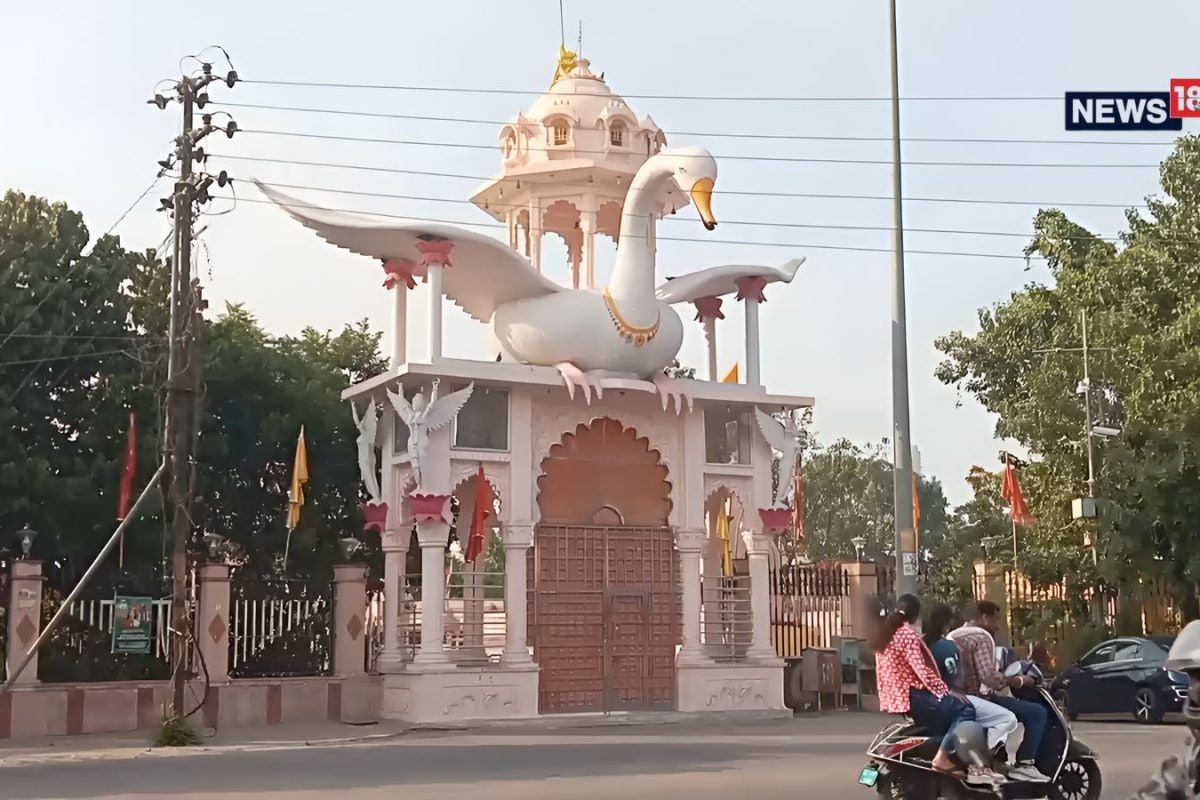
As the auspicious festival of Diwali approaches with great momentum, a profound sense of gloom has settled over the historical temples operating directly under the jurisdiction of the Archaeology Department. Unlike previous years when these sacred precincts resonated with vibrant festive preparations, the current atmosphere remains subdued and starkly devoid of its traditional splendor. This unfortunate downturn is primarily attributed to an unprecedented delay in the disbursement of the regular government budget allocated specifically for routine religious rituals, general upkeep, protective maintenance, and comprehensive seasonal decoration.
Historically, these ancient religious institutions have relied heavily upon systematic financial support from the state to preserve their architectural integrity and maintain the continuous rhythm of daily spiritual practices. The annual grants serve as the financial lifeblood for these heritage sites, enabling caretakers to procure essential commodities, execute minor repairs, and illuminate the sprawling stone structures during major national festivals. However, the unexpected holdup in the administrative pipeline has thoroughly disrupted these established timelines, leaving temple committees scrambling to find alternative solutions to manage their daily operational deficits.
A rigorous examination of the ground reality reveals that the financial impasse has deeply compromised the logistical execution of festival preparations. Essential activities such as ritual cleansing, procurement of sacred offerings, specialized lighting, and structural embellishments have experienced immediate cutbacks due to a complete lack of available funds. While the statistics regarding the exact monetary figures continue to be processed through departmental channels, the tangible impact on the ground is starkly visible as magnificent historical structures miss out on the customary festive illumination that draws hundreds of devoted pilgrims.
Voicing their deep distress over the unfolding situation, temple priests and spiritual custodians have stepped forward to articulate the mounting challenges faced by religious administrators. According to local testimonials, the delay threatens not only the celebratory spirit of Diwali but also the uninterrupted continuity of age-old daily customs that require dedicated financial provisions. These stakeholders have collectively appealed to the higher authorities within the government machinery to expedite the bureaucratic clearance procedures and release the pending monetary allocations without any further delay.
The broader regional implications of this budgetary stagnation extend well beyond the immediate temple boundaries, affecting the cultural fabric and collective morale of the community. Historical temples under state supervision have traditionally functioned as the focal points of regional celebrations, bringing together diverse segments of the population in shared devotion and cultural festivity. When administrative bottlenecks prevent these centers from participating fully in national celebrations, the collective cultural vitality of the region experiences a noticeable setback, dampening the enthusiasm of local merchants and devotees alike.
In response to the growing chorus of grievances, administrative officials within the relevant departments are facing heightened scrutiny regarding their operational efficiency and responsiveness to seasonal timelines. The statutory oversight mechanisms that govern heritage funding are currently under public review as citizens demand greater accountability to prevent similar occurrences during future religious observances. Observers emphasize the urgent need for streamlined bureaucratic protocols that prioritize heritage maintenance and religious observances ahead of major calendar events.
Looking toward the immediate future, local stakeholders remain hopeful yet apprehensive as they await definitive word from the government regarding the release of the stalled funds. While the possibility of a last-minute administrative breakthrough offers a glimmer of hope for partial celebrations, the overarching consensus highlights the necessity of structural reforms in budget distribution. Ensuring timely financial support will remain paramount in safeguarding the dignity and vibrant traditions of the region's esteemed historical and religious institutions for all upcoming festivals.
