
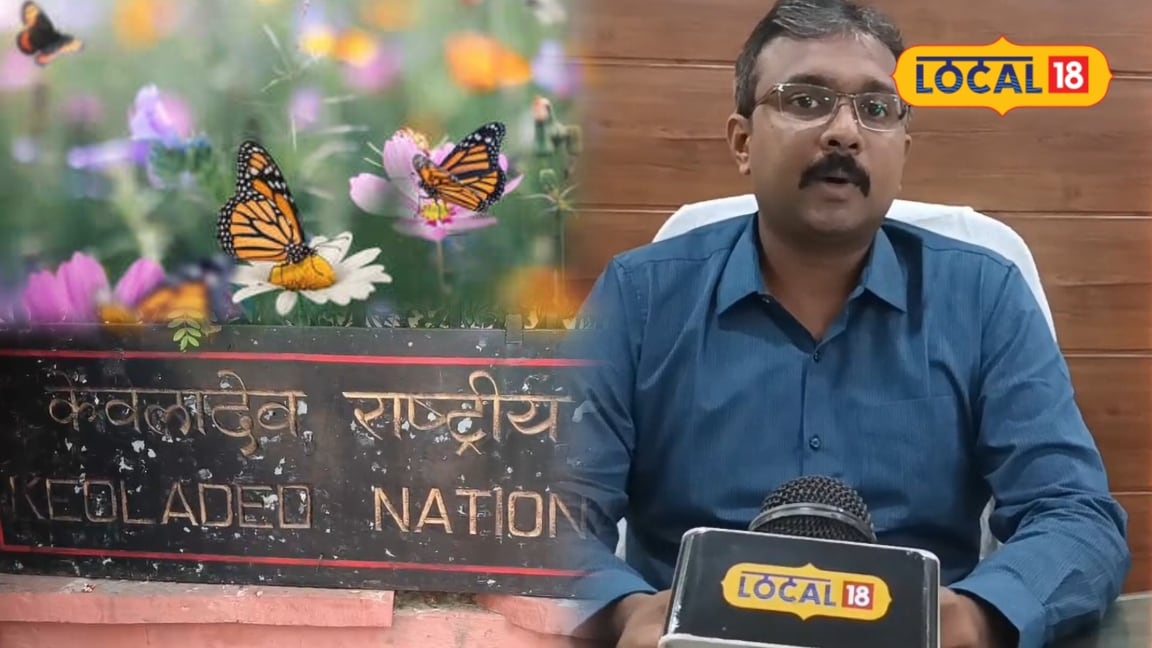
According to the latest reports compiled by the Kotputli bureau and local stakeholders on 2026-09-22, a significant ecological discovery has been recorded in the State of Rajasthan. The forest department survey conducted in the Bandh Baretha region successfully identified twenty-seven distinct species of butterflies. This crucial development highlights the untapped biodiversity of the area and marks a major milestone for local wildlife conservation efforts.
The historical and environmental context of Bandh Baretha points toward a rich natural habitat that has long supported diverse flora and fauna. Over successive years, environmentalists and regional administrators have emphasized the necessity of documenting and protecting the micro-habitats residing within this geographical expanse. The identification of multiple butterfly species serves as a direct indicator of a balanced local ecosystem and underscores the importance of targeted conservation strategies.
Detailed ground realities reported during the survey revealed critical scientific evidence supporting the establishment of a specialized butterfly park. Investigators and wildlife experts noted the active presence of eggs and caterpillars on specific host plants distributed across the surveyed terrain. These precise ground details confirm beyond doubt that the natural environment at Bandh Baretha offers an exceptionally conducive breeding and developmental habitat for these delicate pollinators.
Local representatives and regional stakeholders highlighted ongoing ground realities during detailed discussions regarding the future of the area. They emphasized that protecting these natural populations requires immediate community engagement alongside formal administrative backing. Local community leaders and environmental advocates expressed optimism that structured preservation measures will safeguard indigenous species from environmental degradation and human encroachment.
The broader regional impact of this ecological finding extends across the Kotputli-Behror district and surrounding parts of Rajasthan, influencing both local economic prospects and environmental education. The potential creation of a dedicated butterfly park is projected to attract nature enthusiasts, researchers, and tourists from across the country. Such an influx of visitors is anticipated to generate sustainable livelihood opportunities for local residents while fostering a culture of ecological mindfulness.
Administrative response and statutory oversight concerning the proposed park have been encouraging, with forestry officials acknowledging the significance of the survey data. Divisional Forest Officer Chetan Kumar noted that the comprehensive survey report has successfully paved the way for serious planning regarding the butterfly park. Official measures are currently being evaluated to integrate habitat protection with infrastructural development for visitor management.
Looking toward the forward outlook and upcoming procedures, administrative authorities and local stakeholders are collaborating to formulate a definitive timeline for the project. Public expectations remain high as proponents await the formal sanctioning of development funds and master plans. Continued monitoring of the host plants and breeding grounds will remain a priority as the region transitions toward becoming a premier destination for eco-tourism.