
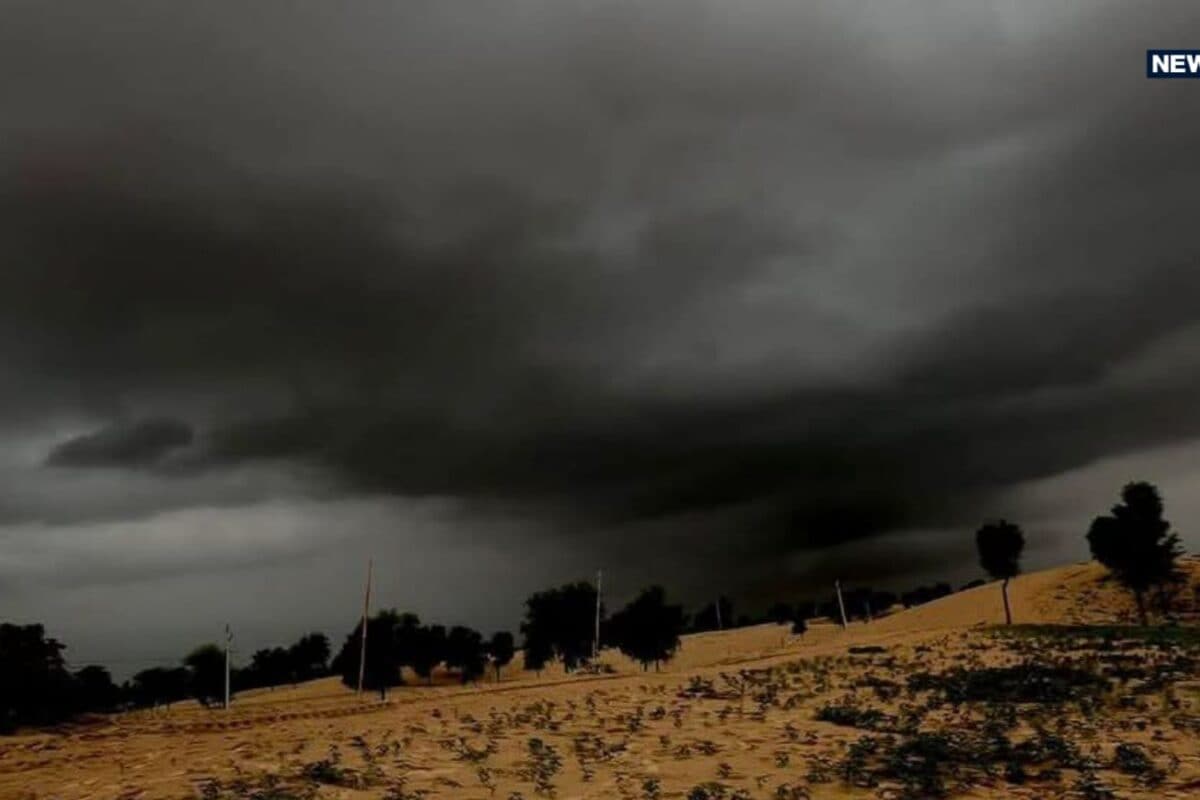
Weather conditions across Rajasthan have undergone a noticeable transformation as the state prepares for the final phase and eventual withdrawal of the monsoon season. According to official meteorological reports issued by the Meteorological Centre in Jaipur, widespread weather activity involving light to moderate rainfall is forecasted to persist across various regions on September 18 and 19. This late-season meteorological shift brings renewed atmospheric moisture, impacting local agricultural routines and bringing momentary relief from prevailing humidity levels.
Analyzing the historical context of the current monsoon season, Rajasthan has witnessed erratic rainfall patterns typical of the transition period between active monsoon phases and complete withdrawal. The meteorological department continuously monitors these atmospheric shifts to provide timely advisories to farmers, administrative bodies, and the general public. September historically marks the beginning of the withdrawal phase for northwestern and western parts of the country, making these final spells crucial for local water reservoirs and late-sown crops.
Examining the specific ground realities and quantitative figures reported over the past twenty-four hours, precipitation levels varied across different geographical pockets of the state. Karauli district witnessed the highest rainfall concentration, specifically in Suroth, where forty millimeters of precipitation was meticulously recorded by local rain gauges. Meanwhile, Pilani registered the highest maximum temperature across the state, soaring to 40.2 degrees Celsius, highlighting the stark contrast in weather patterns between western desert tracts and eastern catchment areas.
Local stakeholders, including agricultural communities, local traders, and administrative authorities, are closely tracking these weather developments to manage their daily operations and safeguard harvested produce. Farmers across the affected districts are balancing their harvesting schedules with the anticipated showers, ensuring that newly gathered grains are adequately protected. Local market traders and transporters are similarly adjusting their logistics to mitigate potential disruptions caused by sudden downpours or localized waterlogging.
Focusing on the regional impact across Rajasthan, including the Kotputli-Behror district and surrounding territories, the localized weather changes play a significant role in sustaining soil moisture levels. The shifting atmospheric dynamics directly influence rural economies, where local communities rely heavily on seasonal agricultural yields and optimal groundwater recharge. Residents and community leaders are maintaining vigilance, utilizing localized weather updates to plan their daily commercial and domestic routines effectively.
Administrative response and statutory oversight remain robust, with district authorities and disaster management cells coordinating closely with the Meteorological Centre in Jaipur. On September 18, all forty-one districts across the state are safely categorized within the green zone, signifying that no special weather warnings or emergency advisories have been necessitated. District administrations continue to monitor weather parameters round the clock to ensure public safety and uninterrupted municipal services.
Looking ahead toward the forward outlook and upcoming meteorological timeline, weather patterns are projected to stabilize significantly as the monsoon systematically withdraws from the region. Western Rajasthan is anticipated to experience a distinct reduction in rainfall activity starting September 19, creating favorable atmospheric conditions for the complete withdrawal of the monsoon. While eastern Rajasthan may witness localized rainfall on September 20, the weather across the majority of the state is projected to turn completely dry from September 21 onward.