
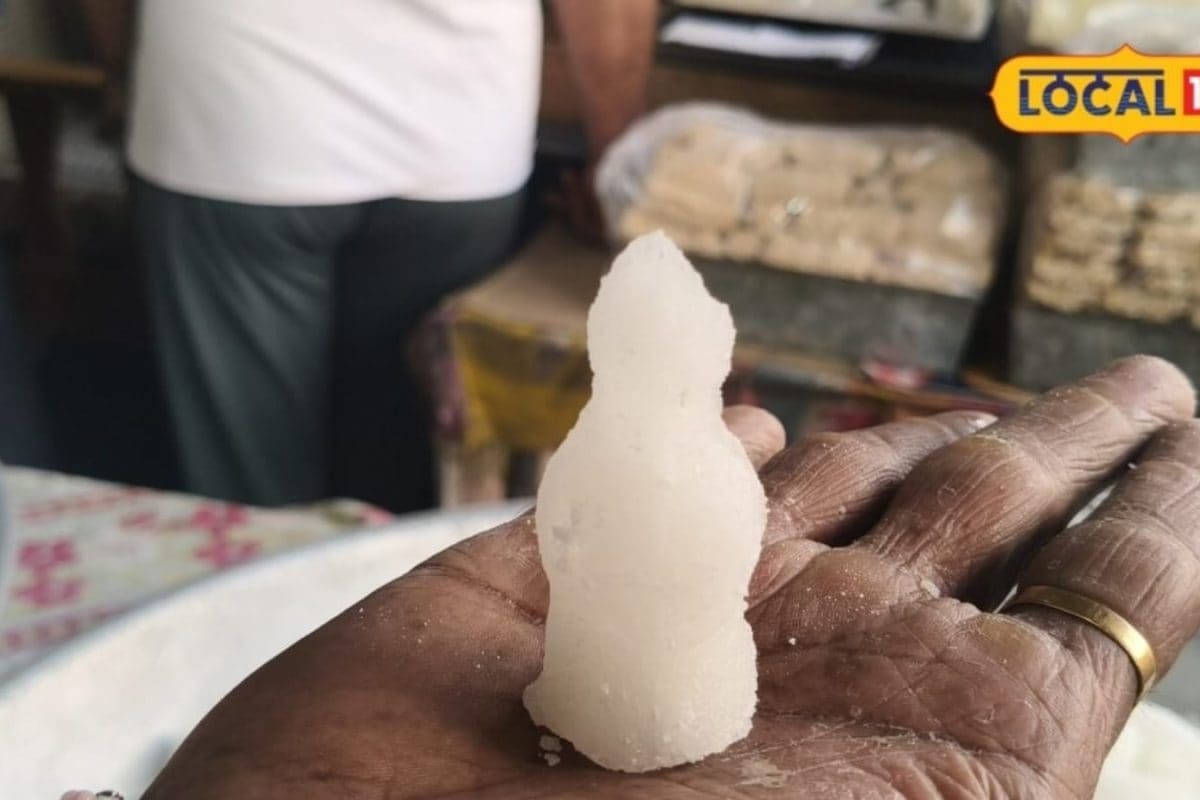
Bikaner stands renowned across the country for its exceptional traditional confectionery, yet the sweet preparations crafted specifically during the festive season of Diwali hold an incomparable cultural distinction. Among these seasonal delicacies, the sweet known as Mahal Maliya commands widespread regional attention due to its architectural grandeur and distinct toy-like structural formation. This unique confectionary item is inextricably linked with centuries-old traditions observed during the auspicious rituals of Laxmi Puja.
Unlike ordinary commercial sweets that remain available throughout the twelve months of the year, Mahal Maliya occupies a remarkably exclusive status within the local marketplace. It is purposefully not manufactured year-round, but rather prepared exclusively during the specific festive window surrounding the celebrations of Diwali. This seasonal limitation amplifies its cultural value, rendering it a highly sought-after traditional offering for households engaged in annual autumnal festivities.
Examining the distinct composition and manufacturing intricacies of this remarkable sweet reveals exceptional culinary craftsmanship deeply rooted in regional heritage. Fabricated entirely from pure sugar, the structural artistry mimics the intricate elevations of a historical palace while incorporating a foxnut complemented by a solitary cardamom seed within its core. According to local trade insights provided by merchant Pappu Joshi, the active preparation time required to finalize this edible structure demands a mere 15 minutes.
Despite the exceptionally rapid preparation window, the finished product boasts remarkable longevity, maintaining its pristine structural integrity and edible quality without suffering any spoilage for an entire year. Market analysts and regional consumers observe that this extraordinary shelf-life makes it a practical yet culturally profound addition to household rituals. Furthermore, commercial accessibility remains remarkably economical, with current market pricing established stably at approximately 100 rupees per kilogram.
The cultural footprint of Mahal Maliya extends far beyond immediate commercial transactions, deeply influencing traditional celebrations across the broader region, including communities within Kotputli-Behror and neighboring administrative zones. Families seeking authentic traditional items for their household altars frequently look toward such historical sweet varieties to maintain ancestral continuity during major religious observances. The enduring appeal of this palace-shaped confection demonstrates a powerful community dedication to preserving heritage against the shifting tides of modern commercialization.
Local trade oversight and municipal market evaluations continue to monitor the production and distribution of traditional sweets during peak festive periods to safeguard public health and consumer standards. Administrative bodies encourage traditional merchants to maintain high standards of cleanliness and ingredient transparency while preparing seasonal offerings for the public. These supervisory measures ensure that age-old culinary arts continue to flourish safely within regulated commercial frameworks.
Looking toward future festive seasons, the outlook for heritage confections such as Mahal Maliya remains remarkably robust, supported by dedicated artisans and culturally conscious consumers. As younger generations observe the meticulous preparation techniques preserved by veteran craftsmen like Pappu Joshi, the continuity of this tradition is securely anchored. Public expectations point toward a sustained appreciation for these historical delicacies, ensuring that Bikaner's architectural sugar masterpieces will continue to grace Laxmi Puja celebrations for generations to come.
