
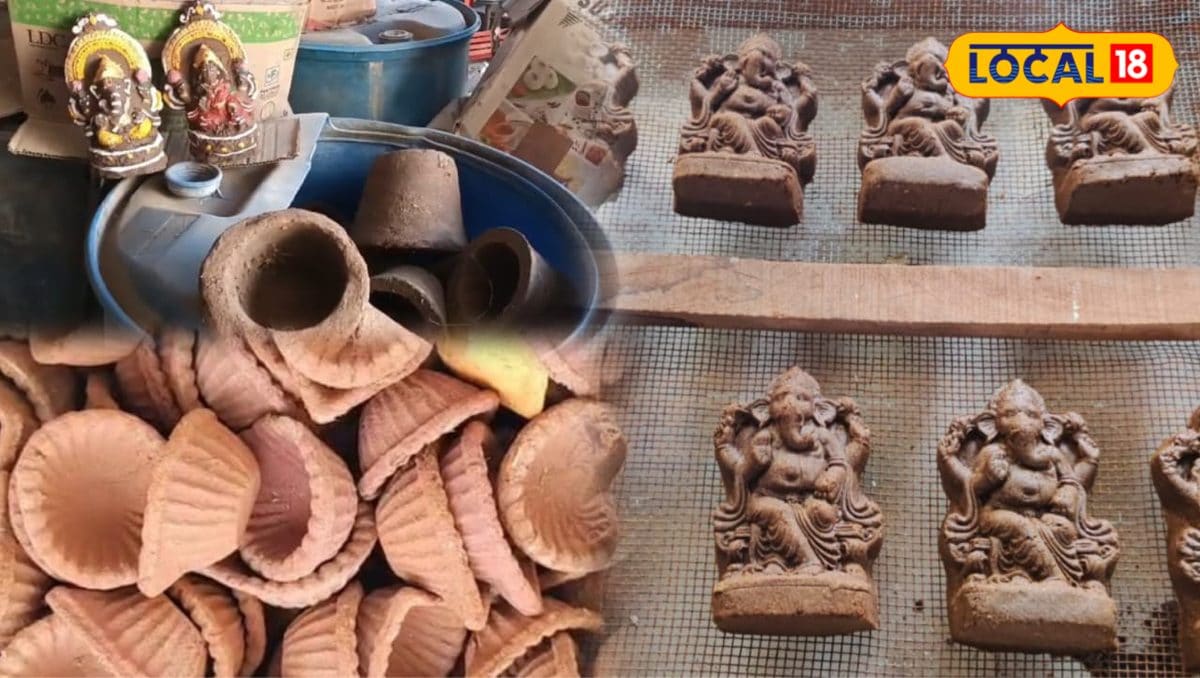
In the vibrant district of Bharatpur, an inspiring and environmentally conscious initiative is currently underway as local women prepare meticulously for the upcoming Diwali festival. Moving away from conventional and hazardous materials, these artisans are dedicating their time and traditional skills to craft a diverse range of earthen lamps using a sustainable combination of cow dung and natural clay. This grassroots movement not only highlights the ingenuity of rural craftsmanship but also brings to the forefront the pressing need for sustainable festive celebrations across the region.
The crafting of diyas from organic and biodegradable materials finds deep roots in ancient cultural practices and indigenous wisdom. For generations, traditional artisans have utilized locally sourced mud and organic elements to illuminate homes during the festival of lights, symbolizing the victory of light over darkness and knowledge over ignorance. By reviving this age-old tradition through the combined use of cow dung and clay, the women of Bharatpur are successfully bridging the gap between historical continuity and contemporary ecological demands.
Examining the ground reality of this cottage industry reveals a meticulous process involving the collection of pure cow dung, processing of fine clay, shaping the mixture manually, and sun-drying the artifacts before final finishing. While large-scale industrial manufacturing often relies on plastics and non-biodegradable chemicals, these handmade items ensure zero environmental pollution. The initiative operates on a community-driven model where local women collaborate to maximize production, thereby fostering financial self-reliance and empowering female entrepreneurship within the rural economy.
Stakeholders, local community leaders, and participating artisans have expressed immense enthusiasm regarding the widespread appreciation of these eco-friendly products. According to the craftswomen involved in the production, citizens are increasingly recognizing the profound significance of shifting toward sustainable alternatives during religious festivals. Consumers have lauded the initiative for offering a meaningful way to celebrate Diwali while actively minimizing carbon footprints and supporting grassroots handloom and handicraft sectors.
Looking at the broader regional implications for communities surrounding Bharatpur and neighboring areas, the popularity of these natural diyas is catalyzing a positive shift in consumer behavior. Households are consciously choosing organic decorations over synthetic imports, which directly strengthens the localized rural economy and generates seasonal livelihood opportunities for skilled artisans. This phenomenon demonstrates how grassroots environmental stewardship can effectively stimulate regional economic growth while preserving cultural authenticity.
Administrative bodies and local developmental organizations have taken note of this exemplary community effort, recognizing its alignment with broader environmental protection campaigns and rural development goals. Support mechanisms, including awareness drives and platforms for local marketing, are being encouraged to help these women reach a broader consumer base. Such institutional backing plays a vital role in validating traditional skills and ensuring that rural artisans receive due recognition for their ecological contributions.
As the timeline for the Diwali festivities approaches its peak, the production and distribution of these cow dung and clay diyas are projected to scale up significantly. The forward outlook remains highly promising, with expectations that this sustainable trend will inspire neighboring districts to adopt similar eco-friendly practices in upcoming cultural events. Ultimately, this initiative in Bharatpur stands as a shining testament to how community-led innovation can successfully harmonize festive celebrations with planetary well-being.
