
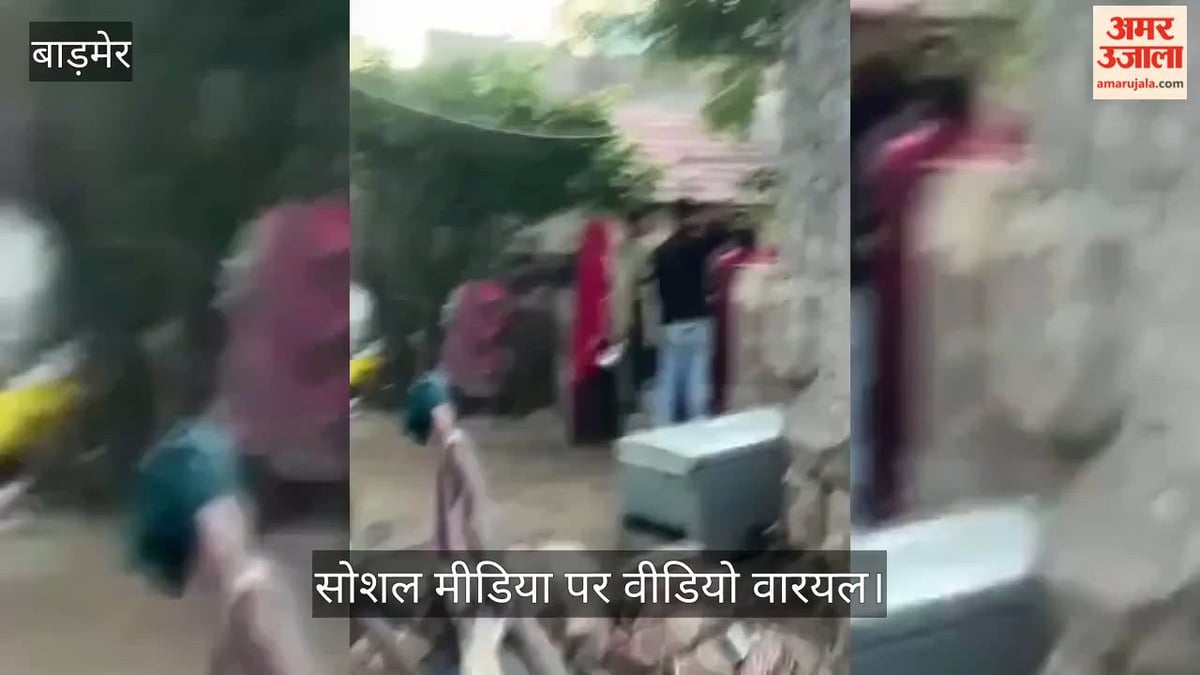
During the ongoing political mobilization for the municipal elections in Rajasthan, a serious dispute broke out in Barmer district involving supporters and relatives of political candidates. The incident specifically occurred in Ward Number Five under the jurisdiction of the Dhorimanna municipality. As local electoral campaigns reach a critical phase, heightened political rivalry at the grassroots level has begun to manifest as open friction between opposing camps.
The electoral contest in municipal wards traditionally witnesses intense campaigning, with candidates and their close relatives aggressively reaching out to local residents for support. In this particular context, the intense atmosphere of Dhorimanna municipality created a volatile environment. The historical backdrop of fiercely contested local body elections in Rajasthan often sets the stage for high-octane political confrontations over voter outreach and dominance in specific neighborhoods.
While specific statistical figures regarding total voter turnout or exact financial expenditures for this ward have not been officially detailed in preliminary dispatches, the logistical intensity of contesting local elections remains exceptionally high. Candidates from major political formations, namely the Bharatiya Janata Party and the Indian National Congress, deploy extensive support networks comprising family members and dedicated party workers to canvas every single household within the municipal ward.
The immediate catalyst for the confrontation was an aggressive altercation concerning voter outreach jurisdiction and persuasive canvassing in Ward Number Five. Witnesses and participants engaged in heated verbal exchanges that rapidly deteriorated into physical hostility. The situation drew significant public attention as ordinary citizens and local bystanders observed the breakdown of civic decorum during the democratic campaigning process.
Although the localized clash occurred in Barmer, such incidents resonate across administrative jurisdictions, including regions like Kotputli-Behror, where local body elections serve as critical bellwethers for community political dynamics. The broader regional impact involves heightened anxiety among residents and local traders regarding the maintenance of public order and the safety of citizens participating in the electoral ecosystem.
In response to the escalating situation and the rapid dissemination of footage depicting the confrontation, local administrative and law enforcement authorities are expected to review security protocols. Statutory oversight during municipal elections mandates strict adherence to the model code of conduct, and violent altercations between rival party representatives draw formal scrutiny from election observers and police officials alike.
As the municipal election timeline progresses toward the final polling and counting phases, public expectations remain focused on peaceful campaigning and impartial administrative enforcement. Community leaders and election officials continue to urge all political entities, including the Bharatiya Janata Party and the Indian National Congress, to counsel their workers and relatives to maintain law and order.