With the formal announcement of the 2026 Rajasthan Panchayat election dates, the political landscape across the arid Shekhawati region is witnessing a sharp focus on water security. For decades, rural communities in Sikar, Churu, and Jhunjhunu have struggled with acute shortages of drinking water and agricultural irrigation, making water management the ultimate electoral determinant. Political strategists in Rajasthan are now analyzing how recent developmental agreements will alter voting behavior in these historically contested rural strongholds as candidates prepare for grassroots mobilization.
The historical backdrop of this political discourse is rooted in chronic underdevelopment and severe groundwater depletion across northwestern Rajasthan. Generations of farmers and rural households in Sikar, Churu, and Jhunjhunu have faced immense hardship due to failing monsoons and depleting aquifers. Previous administrations attempted various localized interventions, but a comprehensive inter-state resolution remained elusive, turning water scarcity into a persistent grievance that consistently dominated every election cycle in the region over the past several decades.
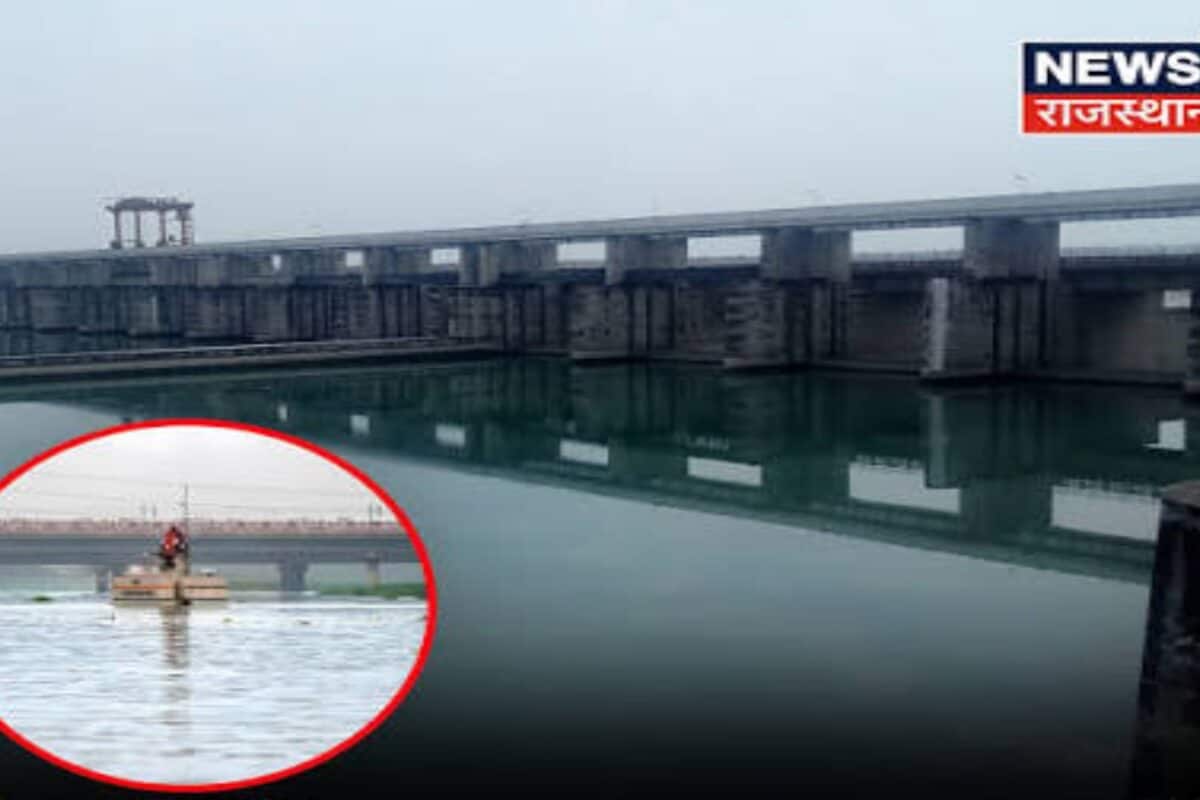
A major turning point in this protracted crisis arrived on June 29, 2026, when an official inter-state Yamuna water agreement was finalized between the governments of Rajasthan and Haryana. Under the specific framework of this pact, a massive operational plan has been devised to channel approximately 580 million cubic meters of water into Rajasthan. To ensure efficient delivery across rugged terrain, the engineering blueprint proposes an extensive network of underground pipelines slated to operate actively during the crucial monsoon and post-monsoon window between July and October.
Local communities, agricultural associations, and village elders have expressed cautious optimism regarding the implementation timeline of the Yamuna water pact. Farmers in Sikar and Churu noted that if the underground pipeline infrastructure is completed transparently and efficiently, it will permanently alter the agrarian economy of Shekhawati. Meanwhile, local trade bodies and village councils are evaluating whether the tangible benefits of the project will translate into substantial infrastructure development before rural voters cast their ballots in the upcoming 2026 panchayat elections.
The regional impact of this water sharing agreement extends deep into the socio-economic fabric of the extended districts, influencing micro-level economic activities and rural livelihoods. Adequate irrigation and reliable drinking water supplies are projected to boost agricultural productivity, reduce distress migration, and revitalize local markets in Jhunjhunu and surrounding rural pockets. Consequently, local panchayat candidates from various political alignments are positioning water access as the central theme of their respective municipal and village-level manifestos.
On the administrative front, state engineering departments and district authorities are accelerating technical surveys and bureaucratic clearances required for the underground pipeline laying process. Oversight committees have been mandated to monitor the logistical execution of the project to meet the projected operational windows between July and October. District administrations in Sikar, Churu, and Jhunjhunu are coordinating closely with state ministries to fast-track land acquisition and environmental clearances necessary for seamless water transmission.
Looking toward the forward outlook, the Bharatiya Janata Party leadership intends to leverage the Yamuna water agreement as a cornerstone of its rural development narrative during the 2026 panchayat elections. By projecting the 580 million cubic meters water allocation as a decisive administrative triumph, the party aims to solidify its grassroots foundation across Shekhawati. Public expectations remain exceptionally high, and the ultimate electoral outcome will depend heavily on the visible, ground-level progress of the pipeline project in the weeks leading up to the polling dates.