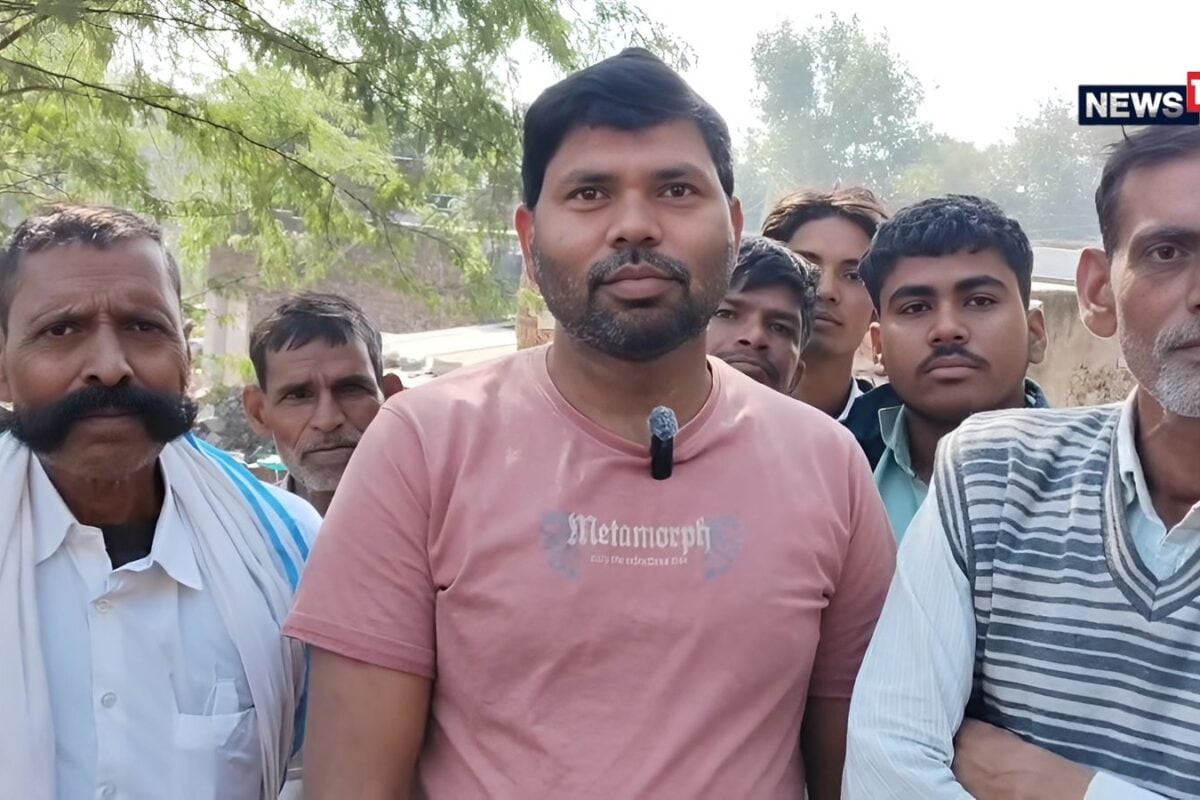
In a distressing escalation of human-wildlife conflict along the fringes of the Sariska forest region, a predatory wild animal—suspected to be a panther or tiger—straying from the protected reserve breached an animal shelter overnight in Jatoli village under the Malakheda subdivision of Alwar district. The nocturnal predator killed six goats and left two others critically injured, dealing a devastating blow to the vulnerable household of Ramhet Bairwa, a Below Poverty Line (BPL) farmer who relies entirely on livestock for his family's survival.
For over 15 years, Ramhet Bairwa had painstakingly built and maintained his small-scale goat rearing enterprise as his primary source of sustenance. What took a decade and a half of relentless labor, frugal management, and daily dedication to establish was effectively wiped out in a single night of violent disruption. Villages nestled in proximity to the Sariska forest, such as Jatoli, have historically shared a delicate boundary with wildlife habitats, but recent incidents underscore the rising threats faced by marginal agricultural households living along the forest corridor.
The morning revealed a scene of severe economic ruin inside the farmer's enclosure. According to ground details from the site, out of the small flock housed within the pen, six goats were found dead on the spot, while two sustained grave injuries requiring urgent veterinary attention. The loss of eight total livestock animals represents not merely a physical casualty but a complete destruction of the economic foundation of a BPL family, leaving Bairwa without any immediate financial resource or substitute income stream.
Public resentment rapidly intensified throughout the morning as perceived official inaction drew sharp criticism from the resident community. Despite formal communications dispatched early in the morning to Malakheda Sub-Divisional Magistrate (SDM) Pinki Gurjar as well as the Divisional Forest Officer (DFO) of Sariska, no administrative or forest official had arrived at the location even by 10:30 AM. Gram Panchayat Sarpanch Asam Khan, alongside agitated villagers, publicly condemned the administrative delay, emphasizing that the absence of prompt official assistance exacerbates the trauma of affected families.
The predatory strike in Jatoli reverberates beyond the immediate loss suffered by Ramhet Bairwa, instilling widespread apprehension among rural farming communities across the broader Alwar and neighbouring Kotputli-Behror border regions. Livestock farming remains the primary financial safety net for marginal and BPL families operating in peripheral forest belts. When wild carnivores freely invade village enclosures, it jeopardizes both economic security and physical safety, creating an atmosphere of panic among smallholders who lack robust physical defenses for their livestock shelters.
In response to the growing vulnerability of the village, Sarpanch Asam Khan and local community representatives have put forth explicit demands to the administration and Sariska forest authorities. The leaders have demanded the immediate setup of a secure trapping cage within Jatoli village to capture the roaming predator before further incidents occur. Furthermore, the community has insisted on an expedited, transparent assessment process to award fair and comprehensive financial compensation to the victim, Ramhet Bairwa, ensuring his immediate relief.
As tension persists in the region, the residents of Jatoli continue to await direct intervention from SDM Pinki Gurjar and Sariska forest officials. The local administration faces increasing pressure to establish effective wildlife monitoring patrols, secure the rural perimeter, and streamline emergency response mechanisms. Until concrete steps are taken to neutralize the wildlife threat and disburse appropriate compensation, the villagers remain on high alert, demanding structural safety guarantees to protect their lives and livelihoods.