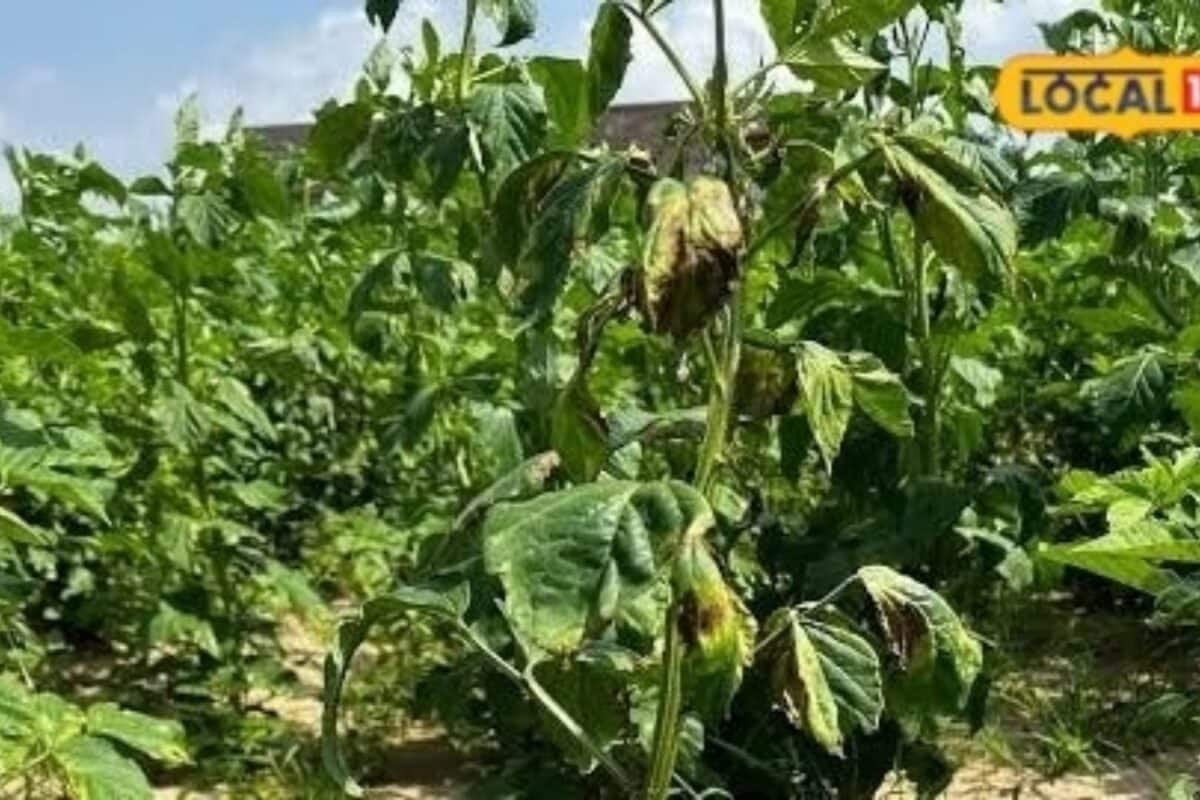
Kotputli Bureau, October 4, 2026: Agricultural stability in the wider Rajasthan region faces an escalating threat as a prolonged dry spell during the crucial month of September severely damages standing kharif crops. While the preceding monsoon months of Sawan and Bhado brought encouraging precipitation that initially fostered robust vegetative growth, the sudden cessation of rainfall has rapidly depleted vital soil moisture reserves. This meteorological turnaround has placed immense vulnerability upon vital regional staples, threatening the livelihoods of thousands of farming households who depend on a successful harvest.
Understanding the gravity of the current crisis requires examining the seasonal trajectory of agricultural cycles in this arid terrain. Historically, farming communities in Sikar and adjoining areas rely heavily on a balanced distribution of monsoon showers extending well into late September to facilitate grain development and seed setting. The abrupt transition from abundant moisture to dry, desiccating conditions represents a classic vulnerability of rain-fed farming systems, where timing is just as critical as overall cumulative rainfall totals recorded throughout the monsoon season.
The administrative scope of the current agricultural distress is extensive, encompassing more than 4.25 lakh hectares of land specifically dedicated to kharif cultivation across the district. Field observations indicate that crops such as guar, pearl millet, mung, and moth are suffering disproportionately because the moisture deficit coincides precisely with their most delicate physiological phases. Specifically, the guar crop has successfully produced pods, but the lack of adequate soil hydration prevents the seeds from filling out properly, thereby compromising both qualitative and quantitative market yields.
Local stakeholders, including farmer collectives, traders, and rural representatives, have voiced acute anxiety regarding the unfolding economic fallout. Local representatives highlighted ongoing ground realities, noting that the heavy investments made by cultivators in seeds, fertilizers, and manual labor risk yielding substandard returns if current weather patterns persist. The financial strain threatens to trigger widespread agricultural indebtedness, forcing farming families to seek high-interest credit to sustain their households through the upcoming winter sowing season.
The socio-economic repercussions of this agrarian setback extend well beyond the immediate farm gates, deeply affecting the rural economy of Kotputli-Behror and surrounding districts. Grain markets, local transport operators, and agricultural input suppliers are already anticipating reduced commercial volumes during the impending harvest season. Since rural purchasing power is fundamentally tied to the success of kharif yields, local commercial establishments face a looming contraction in consumer demand that could dampen regional economic growth for months.
Administrative authorities and local agricultural extension agencies are closely monitoring the evolving weather patterns and assessing ground-level crop conditions. While direct precipitation remains beyond human control, discussions are underway among local officials regarding potential advisory services, pest management protocols to safeguard stressed plants, and evaluation frameworks for future relief interventions. Agricultural scientists recommend adopting localized protective irrigation measures wherever minimal groundwater sources remain accessible to mitigate the harshest impacts on standing crops.
Looking ahead, the immediate future of the regional kharif harvest hinges entirely on localized weather developments over the next fortnight. Farming communities across Sikar and neighboring districts maintain a vigilant vigil for signs of unseasonal cloud cover or localized rain showers that might rescue the maturing grain. As the agricultural sector navigates this critical juncture, the resilience of local cultivators will once again be severely tested by the caprices of regional climatic variability.