
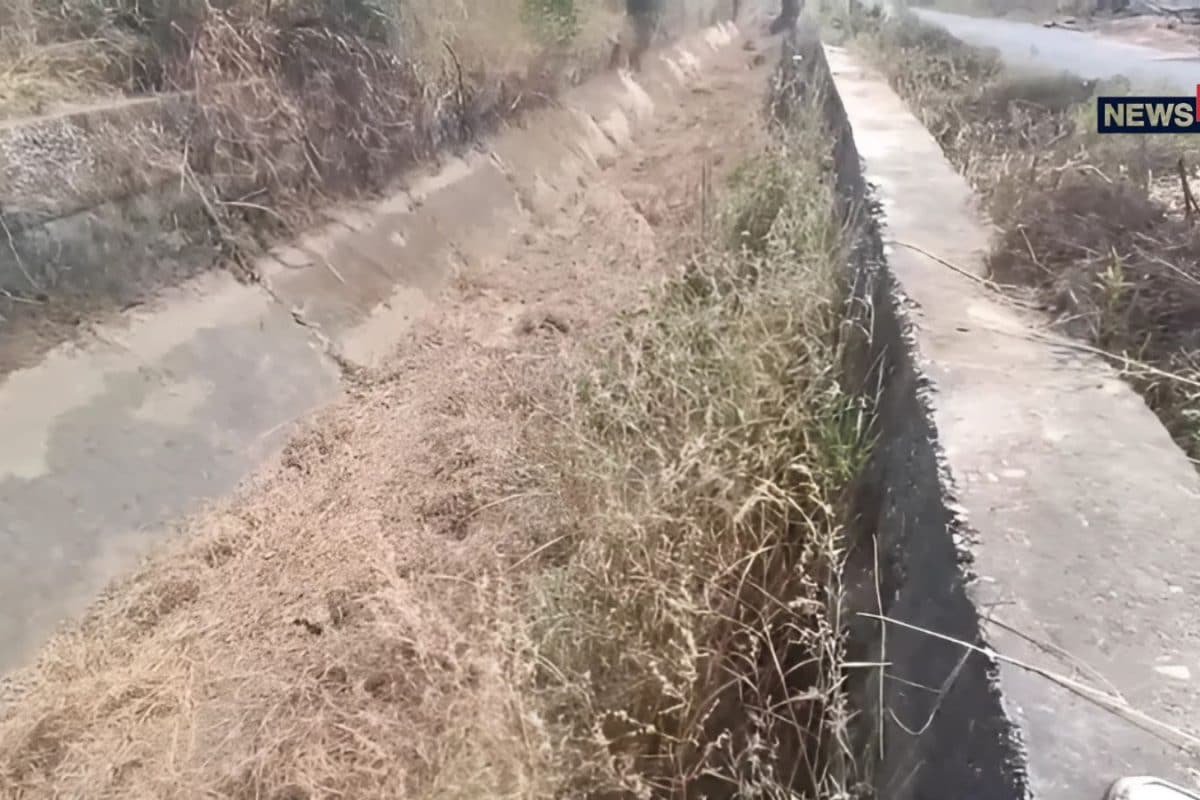
Bringing substantial relief to the agrarian community, water was officially released from the Jakham Dam into the canal network on Thursday to facilitate the irrigation of Rabi crops across the Pratapgarh and Dhariyawad regions. This crucial agricultural exercise marks the beginning of the crop watering season, a period eagerly anticipated by local farmers whose livelihoods depend heavily on timely water availability for their fields.
The decision to release the water comes against the backdrop of seasonal water storage assessments, which dictate the duration and frequency of canal operations for the agricultural sector. Historically, the dam's water levels serve as the primary lifeline for cultivators residing in these administrative boundaries, shaping the agricultural output and economic stability of the entire region during the Rabi season.
However, this year's irrigation schedule is marked by specific limitations due to available water resources. With the dam registering a water storage capacity of 89.29 percent, the duration of water supply has been adjusted accordingly to ensure sustainable resource management. Consequently, farmers will receive irrigation water for a total of 87 days spread across four distinct phases.
This represents a notable reduction compared to the previous agricultural year when water was supplied for 101 days, translating to 14 fewer days of irrigation facilities this season. The reduction requires the farming community to adopt highly efficient water management practices to maximize the utility of the available resource during the restricted supply window.
Recognizing the geographical challenges inherent in canal distribution, the administration has instituted targeted measures to ensure equitable access. Specifically, during the initial eight days of the release cycle, water will be supplied on a priority basis to farmers situated in the tail region, who historically face difficulties in receiving adequate water supplies.
To safeguard the integrity of the distribution process, the district collector has issued stringent directives mandating strict surveillance across the entire canal network. These administrative oversight measures are designed to curb illegal abstraction and prevent water theft, thereby ensuring that every authorized farmer receives their fair share of the vital resource.
As the irrigation schedule commences across its four planned phases, the local agricultural department and administrative bodies will maintain continuous monitoring of the operations. The collective cooperation of the farming community combined with rigorous administrative enforcement will remain critical in successfully navigating the constraints of this year's reduced irrigation schedule.
