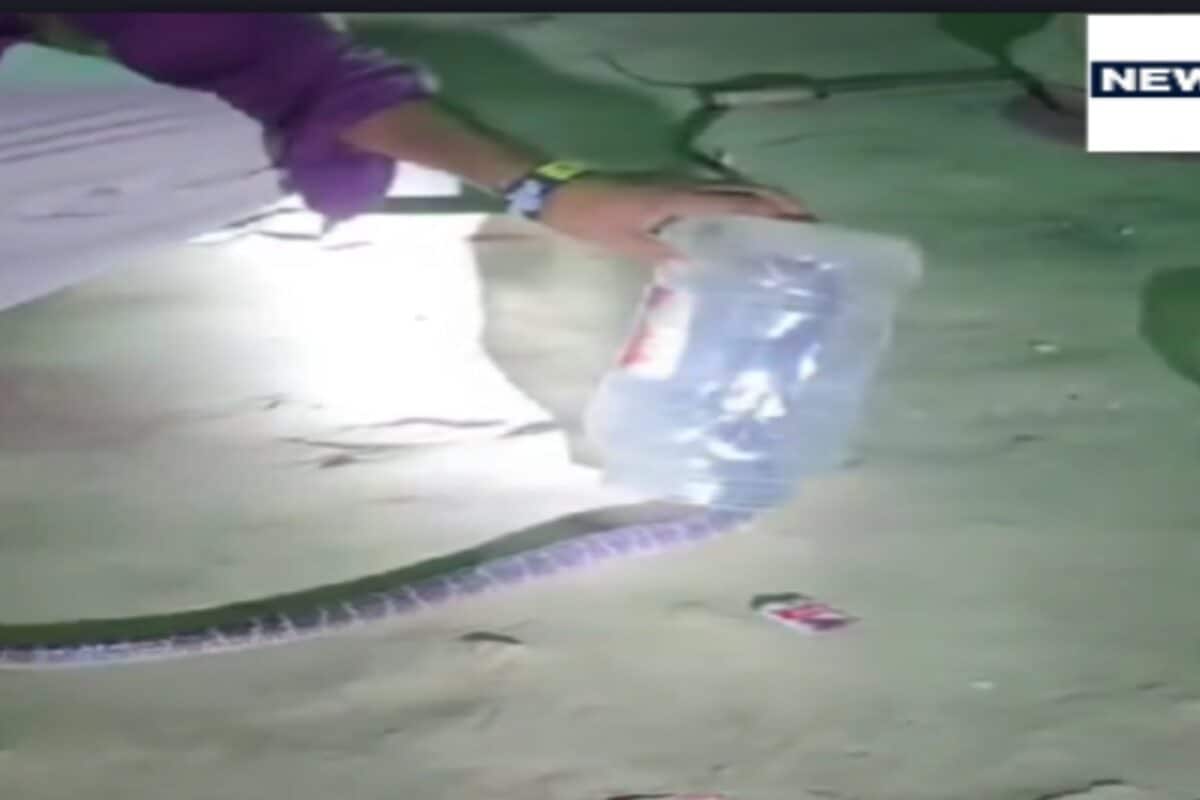
The lead reports that on a recent night, residents of Indok village in the Sariska area of Alwar district witnessed a common krait (Bungarus caeruleus) climbing onto the wooden cot where a family was sleeping. The sighting caused immediate alarm within the household, prompting them to contact local authorities for assistance. The event unfolded after dusk, a time when the species is known to be most active.
Background information reveals that the common krait is regarded as one of the most venomous snakes in the Indian subcontinent. Its neurotoxic venom can cause severe respiratory paralysis, and bites are often painless initially, earning it the moniker 'silent killer'. The snake is primarily nocturnal and frequently ventures into human dwellings in search of prey such as rodents, increasing the likelihood of encounters in rural settings.
Details from the ground indicate that the family noticed the snake’s presence when they observed movement on the cot. They kept a safe distance and alerted the nearby forest department’s wildlife rescue unit. Upon arrival, the rescue team used specialized equipment to gently secure the snake without harming it, then transported it to a suitable forested area for release, following standard wildlife protocol.
The incident has reverberated across the broader Kotputli-Behror region, prompting villagers to reassess sleeping arrangements and household hygiene. Many residents have reported checking their beds and rooms before nightfall, while local schools have begun briefing students about snake awareness and first‑aid measures.
In response, the Alwar forest department issued an advisory urging residents to keep cots away from walls, use mosquito nets, and maintain clean surroundings to deter rodents that attract kraits. The department also announced plans to conduct community workshops on snake identification and emergency response in the coming weeks.
Looking forward, authorities intend to monitor the area for any further snake activity and to strengthen coordination between village panchayats and wildlife rescue teams. Public expectations are centered on sustained awareness campaigns that reduce fear while promoting coexistence with the region’s native wildlife.