
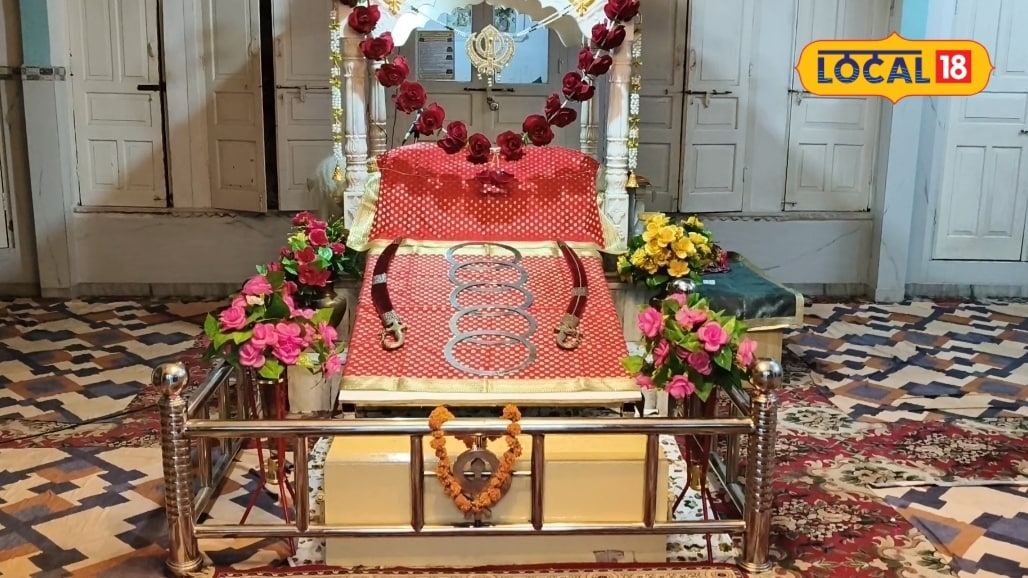
In the historic heart of Jaipur, nestled within the bustling lanes of Chhora Rasta, stands the Sri Guru Nanak Dev Satsang Sabha, recognized widely as the oldest Gurudwara in the city. This sacred institution holds profound spiritual and historical significance, tracing its origins back several centuries to a time when the region was undergoing monumental urban and cultural transformation under the rule of its visionary founder.
According to comprehensive historical records and local investigations conducted by reporting teams, the establishment of this revered Gurudwara is deeply intertwined with five Sikh families who migrated to Jaipur from Kabul. These pioneering families laid the foundation of a spiritual home that would eventually grow into a central pillar for the local Sikh community, preserving their rich religious heritage far away from their ancestral homeland.
The historical genesis of the land upon which the Sri Guru Nanak Dev Satsang Sabha is built dates back to the 16th and 17th centuries, during the reign of Raja Sawai Jai Singh. Recognizing the devotion and spiritual dedication of the early Sikh settlers, the ruler granted this significant parcel of land, thereby cementing a legacy of religious pluralism and community integration that has endured through the changing epochs of Rajasthan history.
Inside the sacred precincts of the Gurudwara, time appears to stand still as visitors encounter priceless historical artifacts. Among the most treasured possessions housed within the complex are ancient weapons dating back to that formative era, serving as a tangible link to the martial and spiritual traditions upheld by the early community members who sought refuge and stability in Jaipur.
Further enhancing the profound spiritual atmosphere of the Satsang Sabha are the revered Guru-saroop Palki and an authentic collection of ancient portraits depicting all 10 Sikh gurus. These sacred items have been meticulously preserved by generations of caretakers and devotees, ensuring that the historical continuity and divine presence remain unbroken within the holy sanctum of the Gurudwara.
Administrative oversight and community stewardship have played a critical role in maintaining the pristine condition of these invaluable historical relics. Local elders, historians, and committee members continually work to safeguard the physical infrastructure of the Gurudwara while educating younger generations about the harrowing journeys and resilient spirit of the families who originally established the shrine.
Looking toward the future, the Sri Guru Nanak Dev Satsang Sabha remains not only a place of active worship but also a living museum of Jaipur's multicultural past. As scholars and devotees continue to document the oral histories and archival records associated with the site, its enduring narrative promises to inspire future generations who walk through the historic archways of Chhora Rasta.
