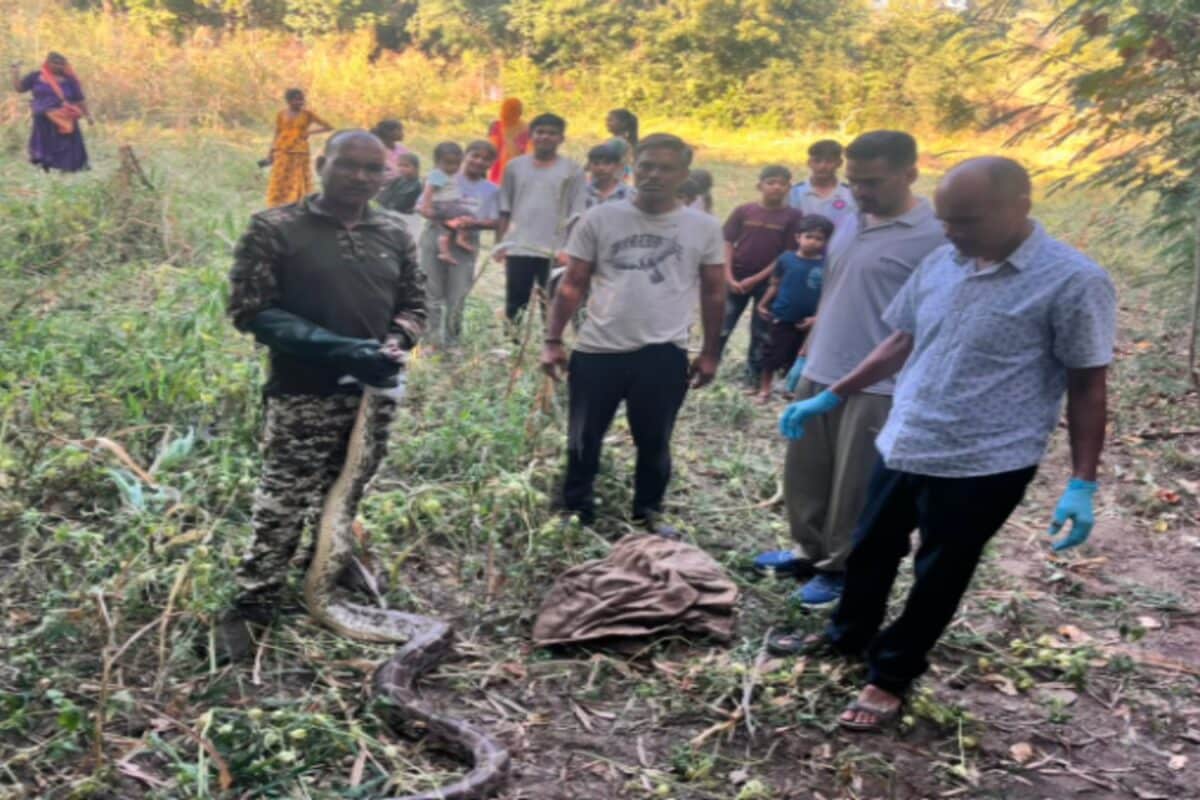
A wave of severe panic swept through the rural landscapes of Rajsamand district as agricultural workers and local villagers unexpectedly encountered two massive pythons in close succession. The unexpected appearance of these formidable reptiles brought routine farming activities to a sudden halt, triggering immediate concern among families residing near the agricultural sectors. The twin incidents highlight the delicate intersection of human settlement and wildlife habitats within the region, necessitating heightened vigilance from both agricultural communities and environmental authorities.
The first sightings were reported from the agrarian sectors of Mall and Devthadi villages, locations historically known for rich rural ecosystems and regular agricultural engagements. Historically, rural settlements across Rajsamand have occasionally witnessed wildlife movement due to the proximity of natural vegetation and seasonal changes, but the simultaneous emergence of two unusually large specimens generated profound apprehension. Agricultural laborers who frequent these fields for daily livelihood operations found themselves face to face with the colossal serpents, leading to widespread anxiety about safety and field accessibility.
According to comprehensive ground reports and official observations, both of the rescued creatures measured approximately 10 feet in length, a substantial physical dimension that amplified the sense of peril among the local populace. The sheer size of the pythons demanded specialized handling, as standard civilian intervention could have provoked the animals or resulted in unintended harm to both human lives and the protected wildlife species. The logistical challenge of locating, containing, and safely transporting two large reptiles from separate agricultural zones underscored the critical need for prompt and professional wildlife management in rural districts.
Local farmers, agricultural laborers, and village elders expressed profound relief following the intervention of trained professionals, noting that the presence of such formidable predators severely disrupted daily economic and farming routines. Community leaders emphasized the importance of maintaining open communication channels with district authorities to ensure that sudden wildlife emergencies are addressed without delay. The collective cooperation between villagers and responding agencies prevented any potential escalation, transforming a moment of crisis into a successful demonstration of wildlife protection and community safety.
While the immediate vicinity of Rajsamand experienced localized disruptions, the broader implications of wildlife displacement resonate across the region, reminding authorities of the delicate ecological balance. The local agricultural economy heavily relies on uninterrupted field labor, and sudden encounters with large predators temporarily halt productivity, creating anxieties regarding harvest schedules and daily wages for rural workers. Ensuring the safety of both agrarian workers and native wildlife remains a paramount priority for regional administrators striving to foster sustainable coexistence.
Responding swiftly to the frantic distress calls originating from Mall and Devthadi villages, the dedicated wildlife rescue team from the forest department mobilized without delay. Equipped with specialized containment tools and extensive expertise in reptile handling, the forest personnel conducted methodical search and capture operations across the designated agricultural plots. Their prompt deployment prevented panic from boiling over into aggressive civilian actions against the protected creatures, demonstrating institutional preparedness and adherence to wildlife conservation protocols.
Following the successful capture of both 10-foot pythons, forest department officials coordinated the immediate relocation of the reptiles in strict compliance with environmental guidelines and supervisory instructions. The two pythons were safely transported away from populated agricultural zones and released into a secure forest habitat where they can resume their natural behaviors without posing risks to human communities. Administrative authorities have reiterated their commitment to monitoring rural pockets closely and have urged villagers to report any future wildlife sightings immediately to prevent conflict and ensure rapid professional intervention.