
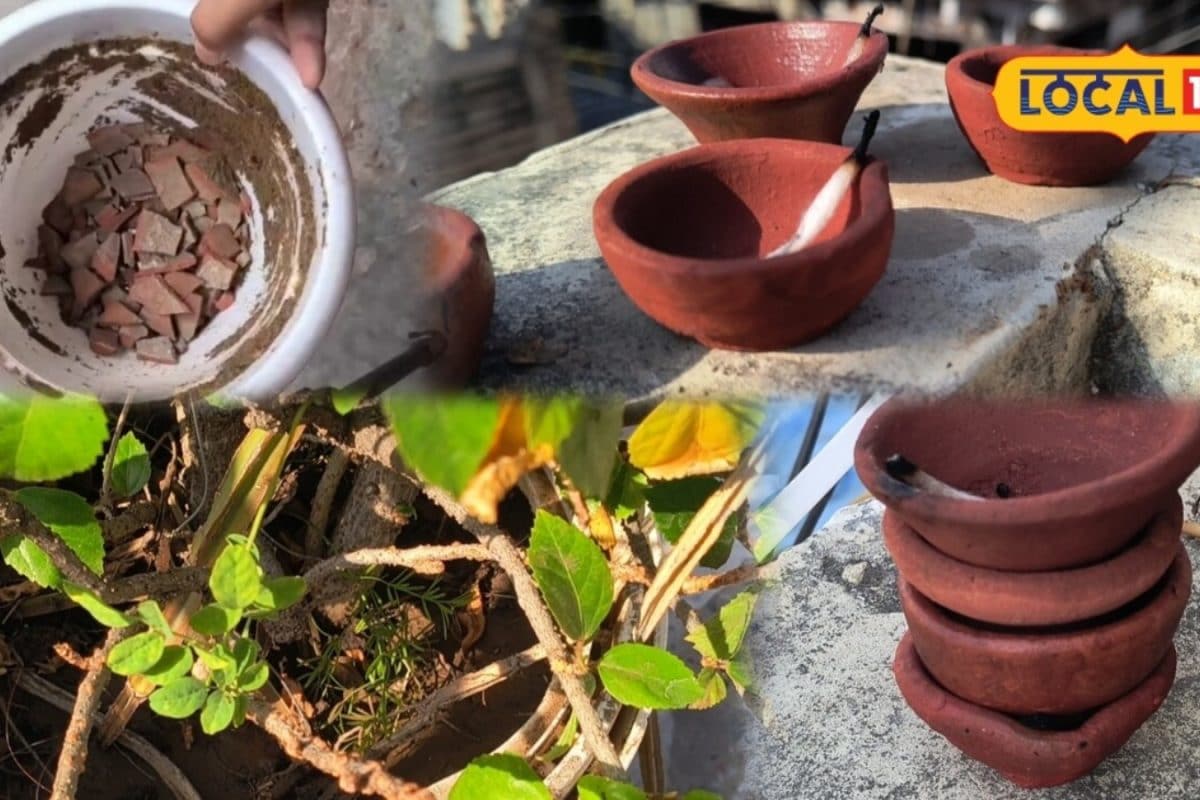
In the wake of major seasonal celebrations, households across communities are frequently left with substantial quantities of traditional earthen lamps, commonly known as diyas. Historically, these items are utilized intensively for illumination during festive nights, only to be deemed redundant once the celebrations conclude. Rather than discarding these clay artifacts into municipal waste streams, environmental advocates and gardening enthusiasts are championing a systematic approach to repurpose them into functional garden elements, thereby promoting sustainable domestic practices.
The underlying tradition of utilizing earthen materials in domestic spaces dates back generations, reflecting an indigenous wisdom centered on biodegradable resources. Earthenware possesses natural porous qualities that can be advantageous for specific flora when managed correctly. Recognizing this intrinsic material value, modern urban and rural households are increasingly looking toward upcycling methodologies that minimize environmental degradation and align with contemporary ecological conservation goals.
From a logistical and economic perspective, adopting upcycling methods for post-festival cleanup presents a remarkably cost-effective alternative to purchasing commercial plastic planters or decorative pots. Citizens can gather their accumulated clay items without incurring financial expenditures, utilizing basic household tools for refurbishment. This hands-on methodology eliminates the need for expensive gardening accessories while encouraging micro-scale horticultural projects within domestic courtyards and balcony spaces.
Local environmental observers and community leaders have expressed strong support for creative waste-reduction initiatives. Gardeners emphasize that transforming small clay vessels into miniature planters requires minimal effort yet yields highly artistic results. According to experienced community horticulturists, engaging in such do-it-yourself projects fosters a deeper connection with nature and instills responsible resource management habits among younger generations within neighborhoods.
Within the local regional context, implementing such household waste minimization techniques contributes substantially to lightening the burden on municipal refuse collection systems. By retaining earthen items for secondary uses such as soil containment for delicate succulents or decorative pathway borders, residents actively participate in local circular economy principles. This grassroots approach resonates deeply with communities striving for cleaner, greener residential zones.
Administrative bodies and municipal sanitation departments continually promote waste segregation and reduction at the source. While large-scale recycling programs manage heavy refuse, community-level upcycling of organic and earthen materials directly supports municipal sustainability targets. Officials note that public awareness campaigns encouraging the creative reuse of festive remnants play an essential role in fostering civic responsibility and environmental stewardship.
Looking ahead, community stakeholders anticipate an expansion of workshops and informational guides focused on domestic upcycling and container gardening. As public interest in sustainable living continues to rise, the humble earthen diya is poised to transition from a single-use festive accessory to a permanent, valued fixture in creative home gardening endeavors, ensuring lasting ecological benefits for households.
