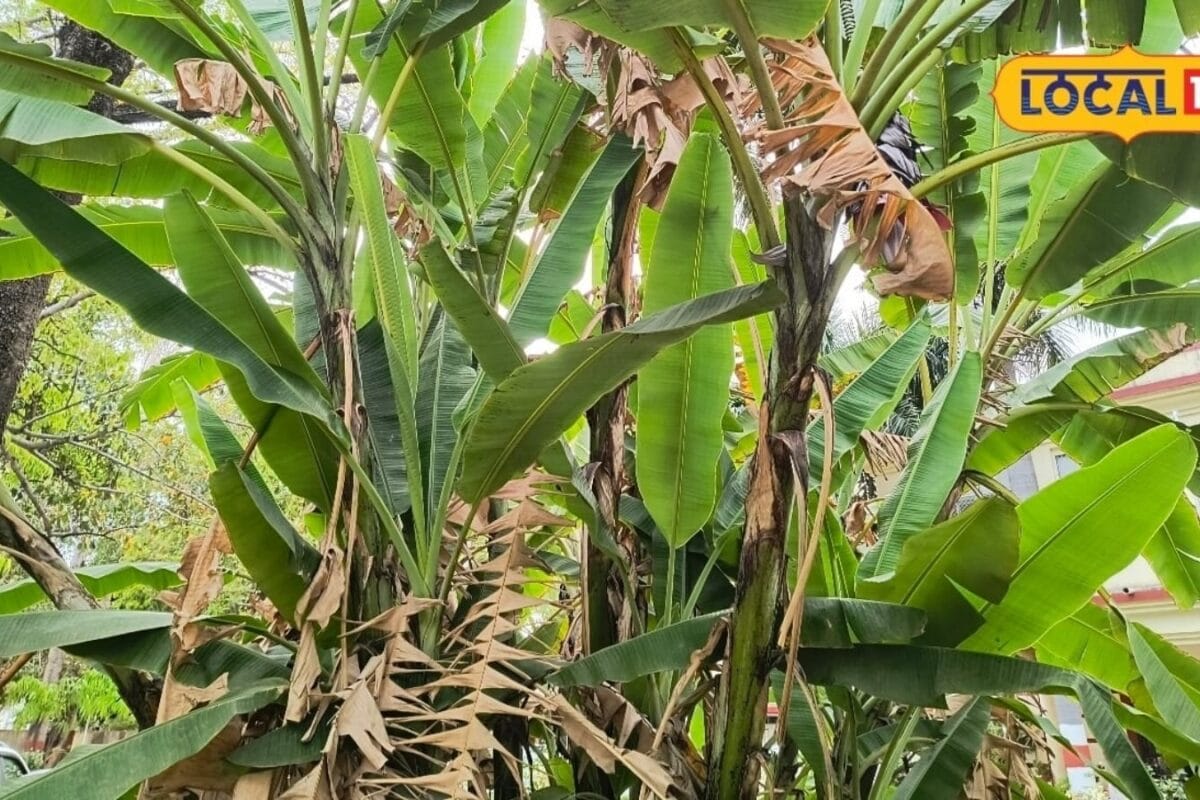
Urban and suburban households are increasingly looking toward sustainable living solutions, making kitchen gardening an essential part of modern home management. Transforming vacant land behind residential houses into productive green spaces not only enhances aesthetics but also promotes domestic food security. Residents seeking to optimize their property are finding agriculture and horticulture advice increasingly valuable for everyday utility.
The historical practice of domestic gardening has long sustained households by providing direct access to fresh produce. Over generations, transforming unused backyards into kitchen gardens has evolved from a traditional hobby into an essential practice for sustainable living. Cultivating edible plants near the kitchen minimizes market dependency and ensures a steady supply of fresh, chemical-free produce for the family table.
Analyzing the ground reality of home gardening reveals that specific environmental conditions are necessary for successful plantation. Experts point out that backyards possessing adequate sunlight exposure and robust drainage systems create the ideal microclimate for cultivation. When water accumulation is prevented and fertile soil is maintained, plants utilize natural resources efficiently to maximize their vegetative growth.
Horticulture specialists and experienced gardeners emphasize that integrating perennial crops into domestic landscapes requires careful planning rather than complex technical interventions. Stakeholders note that selecting the right species suited for residential plots ensures high survival rates and fruitful yields. Homeowners often share positive experiences regarding how minimal initial effort leads to long-term agricultural benefits.
Within the region of Kotputli and surrounding communities, promoting local kitchen gardening significantly impacts household self-sufficiency and environmental consciousness. Families adopting these green practices contribute to a greener local ecosystem while reducing their carbon footprint associated with commercial food transportation. Such grassroots initiatives foster a community-wide appreciation for sustainable agricultural methods.
Agricultural extension services and local administrative bodies frequently encourage citizens to maximize the utility of residential open spaces through informative campaigns. Providing structured guidance on soil preparation, watering schedules, and sunlight management helps residents overcome initial hesitation. Institutional support ensures that households have access to reliable horticultural knowledge for successful plantation drives.
Looking forward, the systematic promotion of kitchen gardens is expected to gain momentum as urban planning increasingly incorporates green spaces into residential designs. Future outreach programs will likely focus on educating citizens about diverse crop options suitable for small-scale cultivation. Sustained community participation will ultimately determine the long-term success of these domestic agricultural endeavors, fostering healthier lifestyles across neighborhoods.