
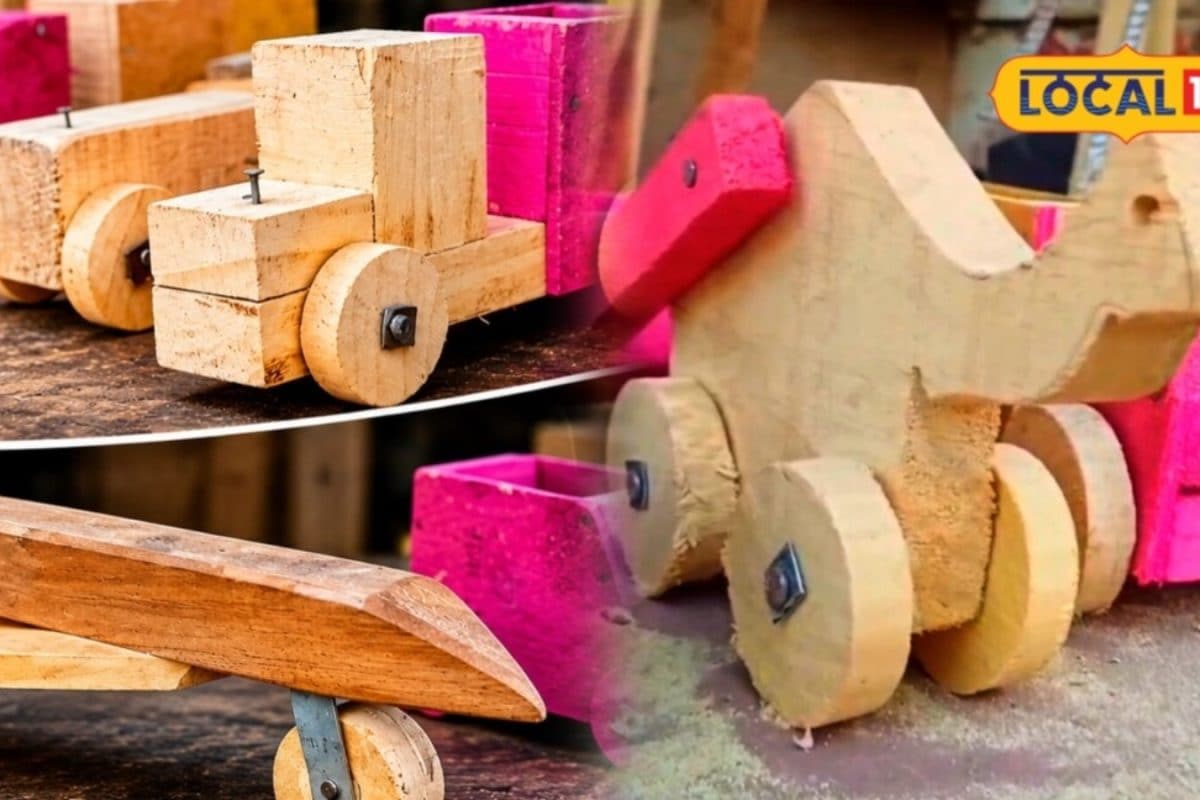
In the heart of Bharatpur, a remarkable cultural and commercial revival is currently underway as traditional wooden toys capture the imagination of children and parents alike. Eschewing the ubiquitous dominance of modern plastic and battery-operated playthings, families are increasingly turning toward indigenous, hand-crafted wooden creations. This growing preference highlights a collective yearning for sustainable, safe, and culturally rich alternatives that connect the younger generation with time-tested heritage and natural materials.
The roots of this artisanal renaissance trace back generations, embodying the rich heritage of local craftsmanship found across Bharatpur. For decades, skilled woodworkers have passed down intricate carving and assembling techniques from parent to child. These traditional artisans utilize locally sourced wood to fashion durable playthings, ensuring that each piece carries the distinct touch of human labor and authentic artistry, entirely separate from mass-produced industrial manufacturing processes.
Examining the ground reality reveals an impressive economic accessibility that underpins this current trend. Despite meticulous handcrafting, these wooden masterpieces remain exceptionally affordable, with children able to experience the joy of riding or playing with these items for a mere one hundred rupees. The inventory spans a diverse array of transport models, meticulously shaped into jeeps, cars, and airplanes, offering immense tactile pleasure and imaginative stimulation without placing a heavy financial burden on working-class families.
Local traders, parents, and community members have expressed immense enthusiasm regarding this resurgence of indigenous toys. Observers note that unlike fragile plastic items that quickly end up in landfills, these sturdy wooden toys endure rough play and possess a timeless aesthetic appeal. Parents appreciate the safety aspect, as these wooden artifacts are free from toxic chemical paints and hazardous electronic components, thereby offering a completely secure environment for toddlers and growing children.
The positive ripple effects of this trend extend deeply into the regional economy, providing vital support to rural artisans and woodworkers in Bharatpur. By choosing these local products over imported or factory-made plastic goods, consumers directly contribute to the sustenance of traditional livelihoods. This economic circulation helps preserve ancient crafts that might otherwise face extinction in the face of aggressive commercialization and mechanized toy production.
Administrative bodies and local cultural organizations are increasingly recognizing the importance of such indigenous cottage industries in fostering sustainable economic development. While these toys emerge purely from grassroots artisan dedication, discussions are underway among community leaders to further promote these regional crafts through exhibitions and local trade fairs. Such initiatives aim to bridge the gap between traditional creators and a broader consumer base seeking authentic domestic products.
Looking toward the future, the continued popularity of Bharatpur's wooden toys signals a promising outlook for regional craftsmanship and cultural preservation. As awareness regarding environmental sustainability and child safety grows, the demand for non-plastic, non-battery playthings is projected to expand further. This enduring appreciation for simple yet imaginative wooden toys ensures that local artisans will continue carving their legacy into the future, maintaining a cherished link between past traditions and modern childhood.
